
Where it earns its place
Best-Fit Uses
Custom return or preload
Provides spring force in an assembly designed around this spring style.
Drawing-specific fit
Matches a product envelope that needs a purpose-built spring solution.
Taking up small axial variation
Adds a short amount of elastic movement where rigid washers or spacers would leave looseness.
Supporting preload at a fastener or bearing
Keeps parts in contact as a joint settles or a stack changes slightly in service.
Why this style works here
What This Spring Style Solves
The best choice comes from the job the spring must perform rather than from a catalog name alone. Working positions, load and the surrounding parts should be reviewed together.
Before you choose it
What to Confirm in Your Assembly
- Provide the assembly drawing and all working positions.
- State the required force or torque and expected cycle life.
- Provide fastener, shaft or bore size together with the surfaces that support the washer.
- State free height, installed height and target installed load.
- Define the minimum and maximum stack conditions the washer must accommodate.
Avoid forcing the wrong spring into the design
When Another Spring Style May Fit Better
Use the simplest spring style that meets the load, travel and packaging need. A more specialized geometry should solve a clear application problem.
- Browse the spring catalog for other geometries
- Review the application with your assembly drawing
Keep material selection separate
Environment & Material Direction
Material should be chosen for corrosion, heat and long-term preload after the washer profile and working range are set. Those alloy details belong in the Materials section.
Move from the use case to the specification
Where to Go Next
Application questions
Frequently Asked Questions
How do I confirm this spring style is the right fit?
Compare the required movement, load, available space, attachment points and working environment. A drawing review is the best way to confirm whether another spring style would package the job more simply.
Are different spring-washer shapes interchangeable?
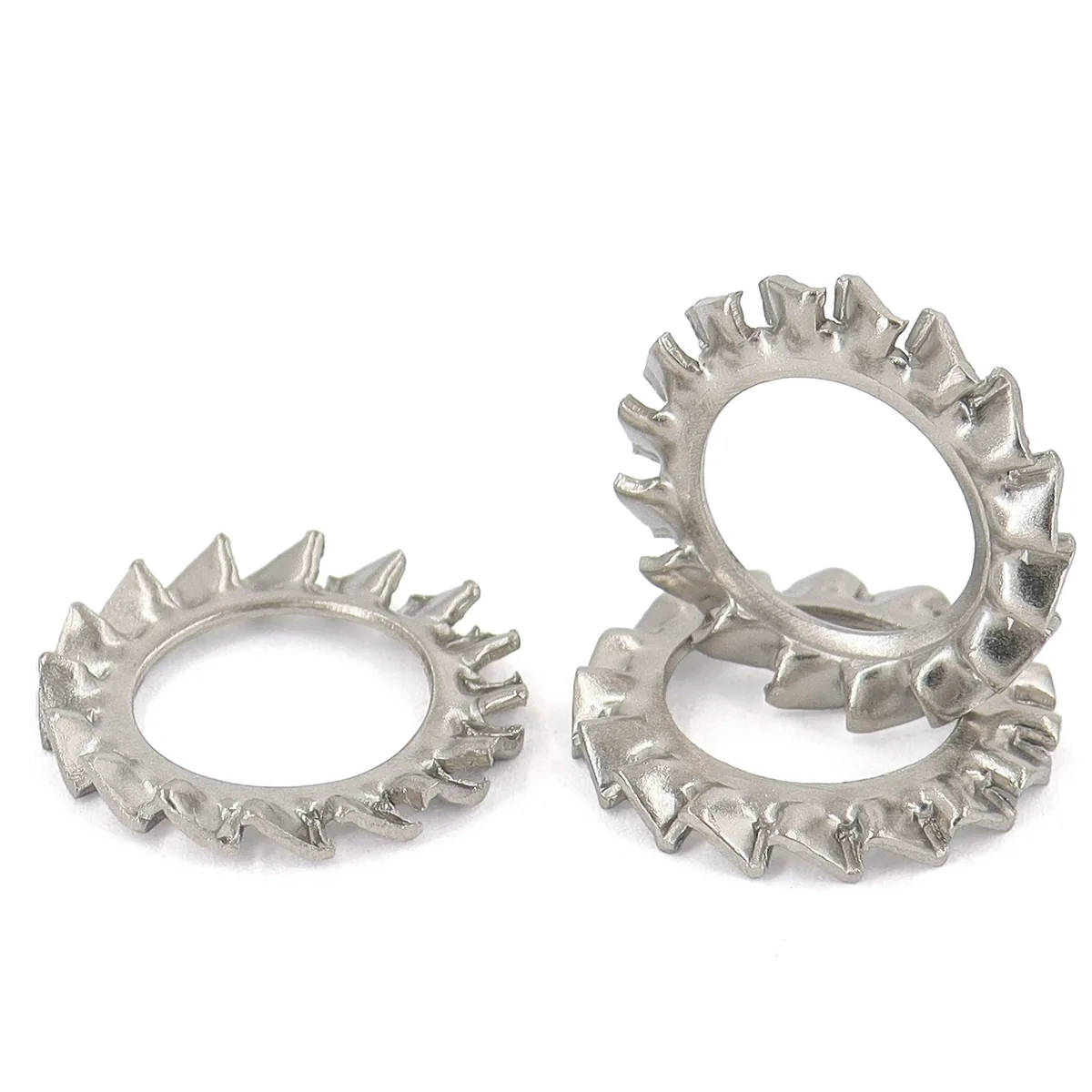
No. Wave, curved, conical, serrated and split forms can serve different purposes and produce different force or contact behavior. Matching ID and OD does not make them direct substitutes.
What should I send for an application review?
Send the assembly drawing or a clear sketch, the working positions, the force or torque you need, expected cycles, environment and quantity. If an existing spring is being replaced, include its dimensions and explain what is not working well in the current design.
Same application family