
Operating Environment
Temperature, moisture, chemicals, dust, cleaning and outdoor exposure change what a suitable part specification looks like.
Industry Requirements
The same spring form can face very different expectations in an automotive assembly, a medical instrument or field equipment. This page focuses on the environment, life-cycle, documentation and supply requirements that change from one sector to another.
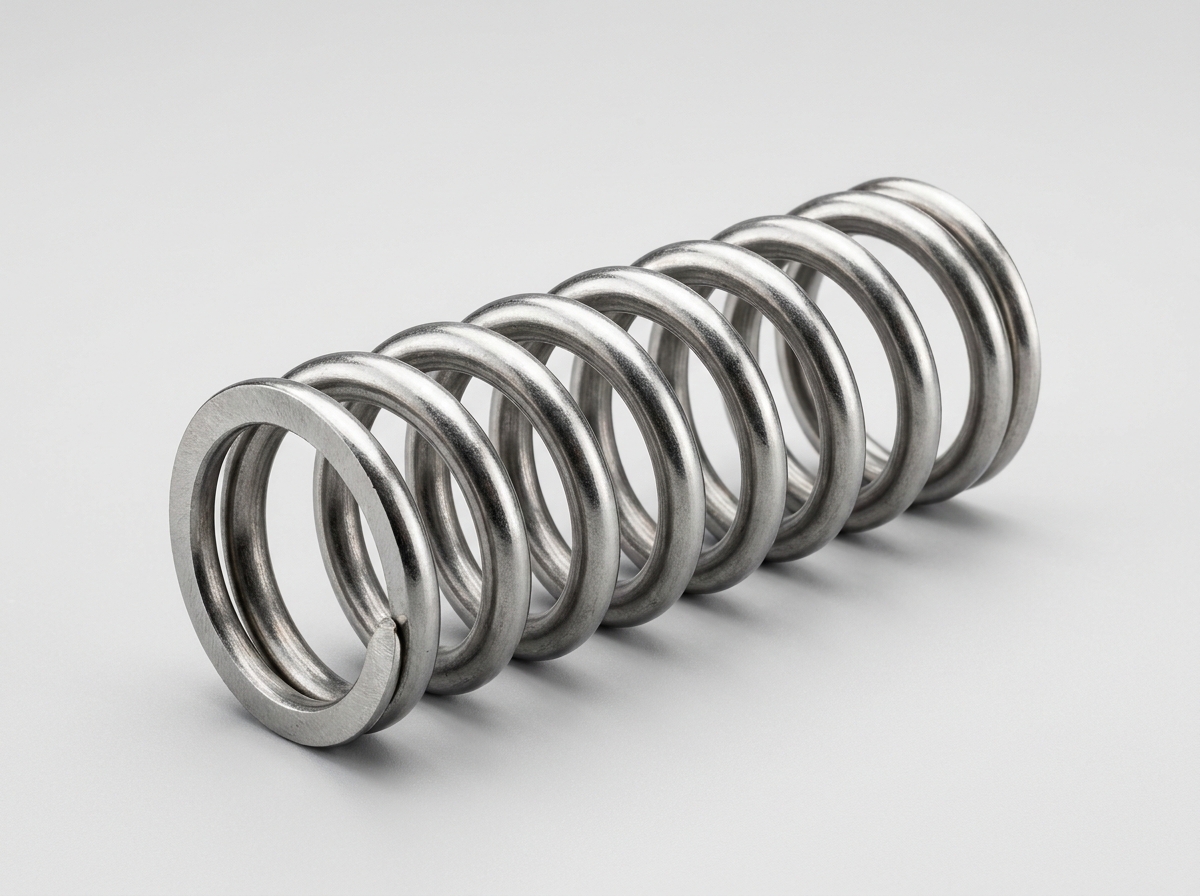
Industry Differences
Industry pages are useful only when they add context that the product catalog cannot. These four areas are where the requirements most often diverge.
Temperature, moisture, chemicals, dust, cleaning and outdoor exposure change what a suitable part specification looks like.
Occasional movement, continuous cycling, shock, dwell time and storage conditions create different priorities for design review and validation.
Some programs need only drawing compliance; others require material records, inspection reports, first articles or customer-specific approval packages.
Prototype work, maintenance quantities and recurring OEM orders each call for a different balance of tooling, inspection, packing and change control.
Markets We Support
Each sector changes the priorities around environment, life cycle, documentation, production consistency and supply requirements.
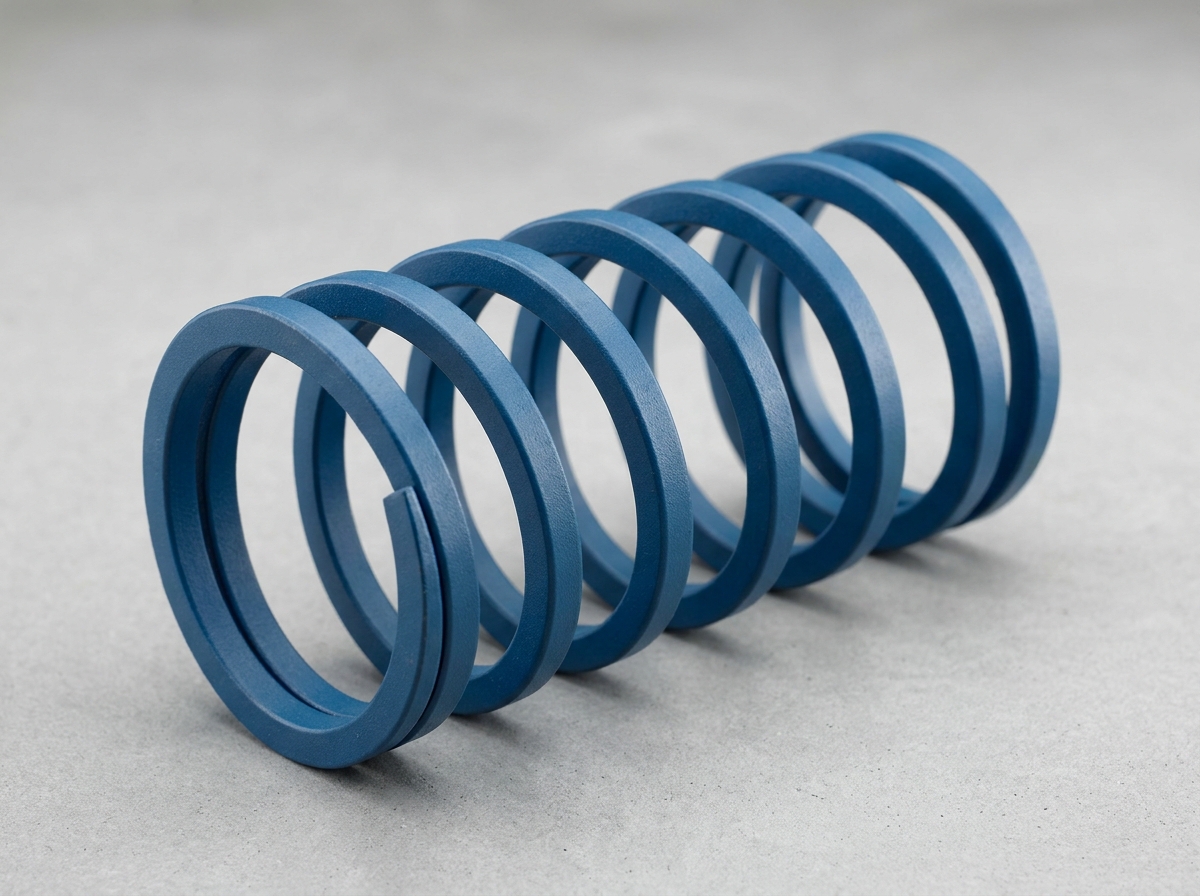
Custom automotive springs and mobility components usually place as much emphasis on repeatability and change control as they do on the first approved sample.
Industrial equipment projects often combine practical service conditions with a wide range of order volumes, from maintenance quantities to repeat OEM supply.
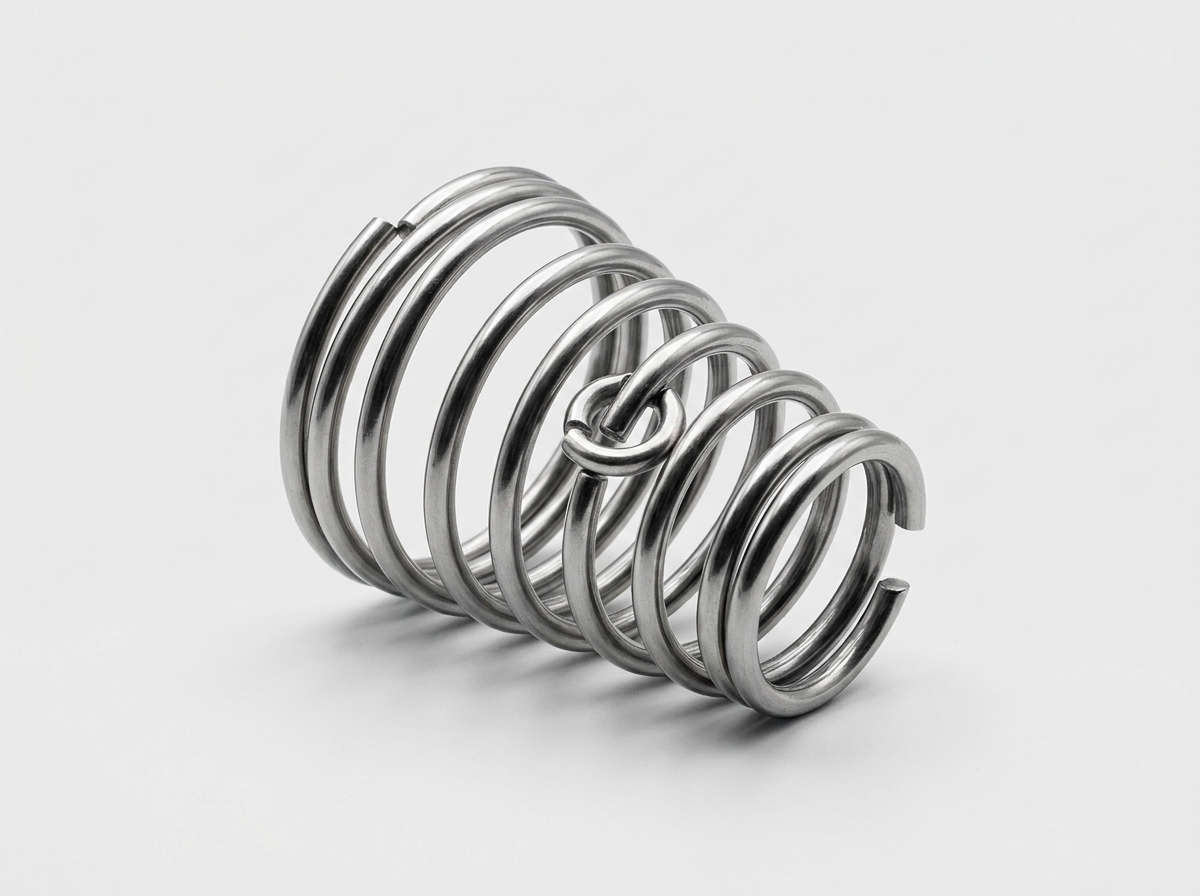
Medical and laboratory assemblies often need small, repeatable components with carefully defined material, cleanliness and documentation expectations.
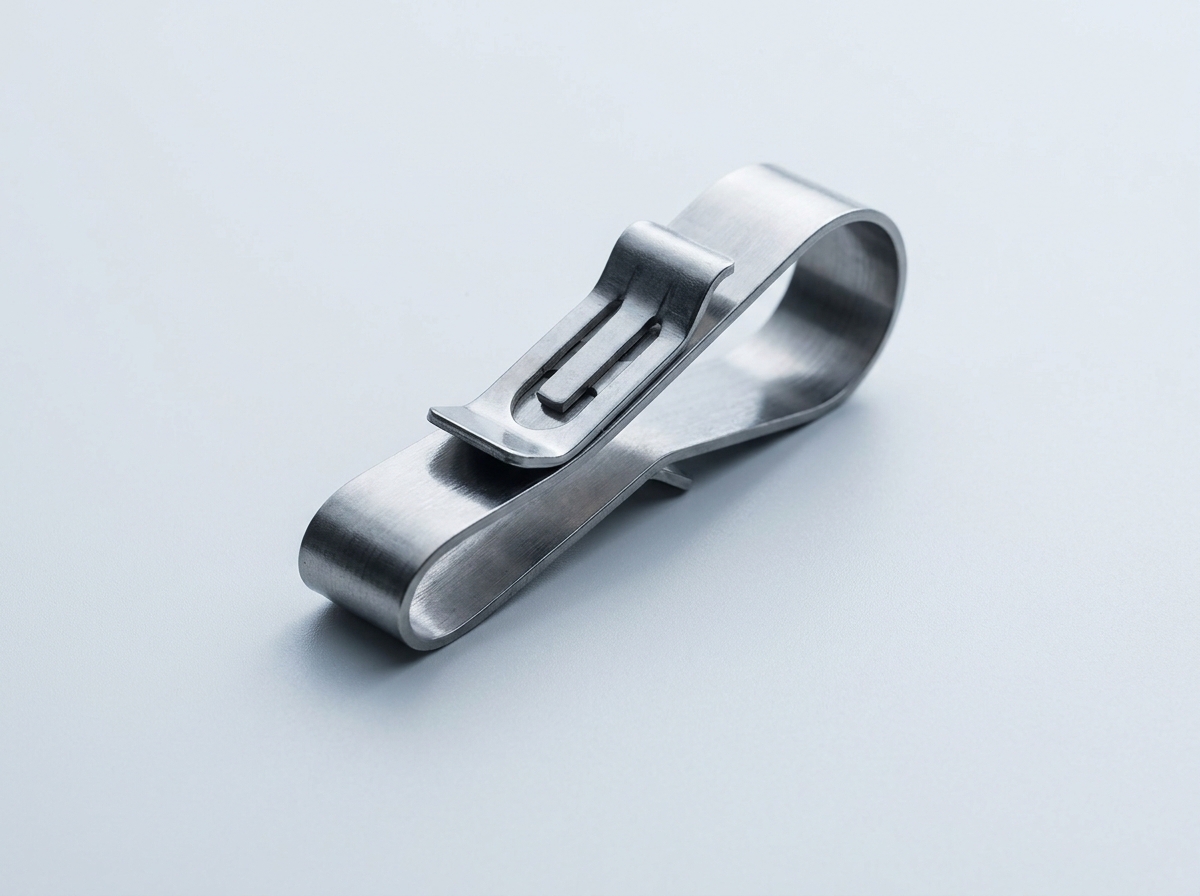
Electrical projects tend to place strong emphasis on compact packaging, repeatable contact behavior and material or finish choices that support the electrical function.
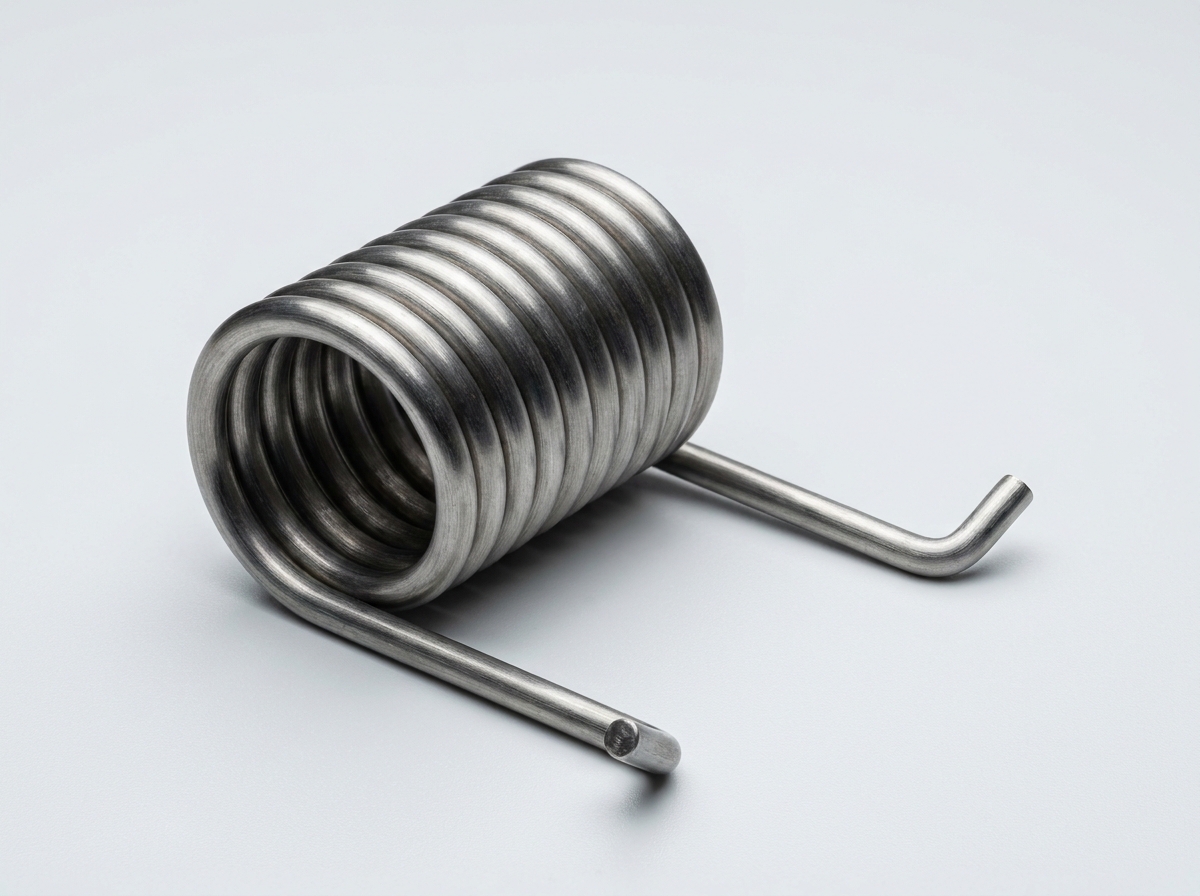
Robotics and automation projects are usually driven by repeated motion, compact packaging and the need for predictable behavior over many cycles.
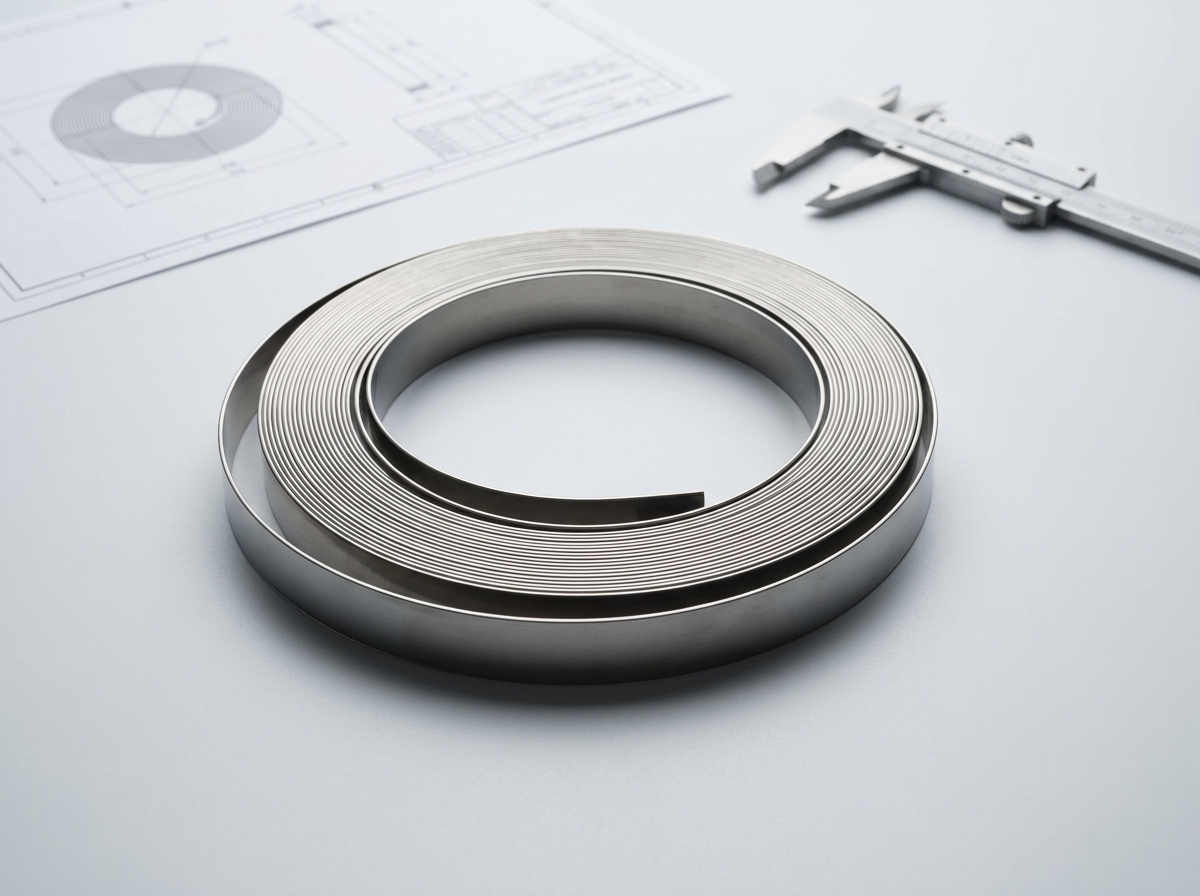
Custom springs for oil & gas, energy and field equipment can face temperature, corrosion and service conditions that make material control and documentation especially important.
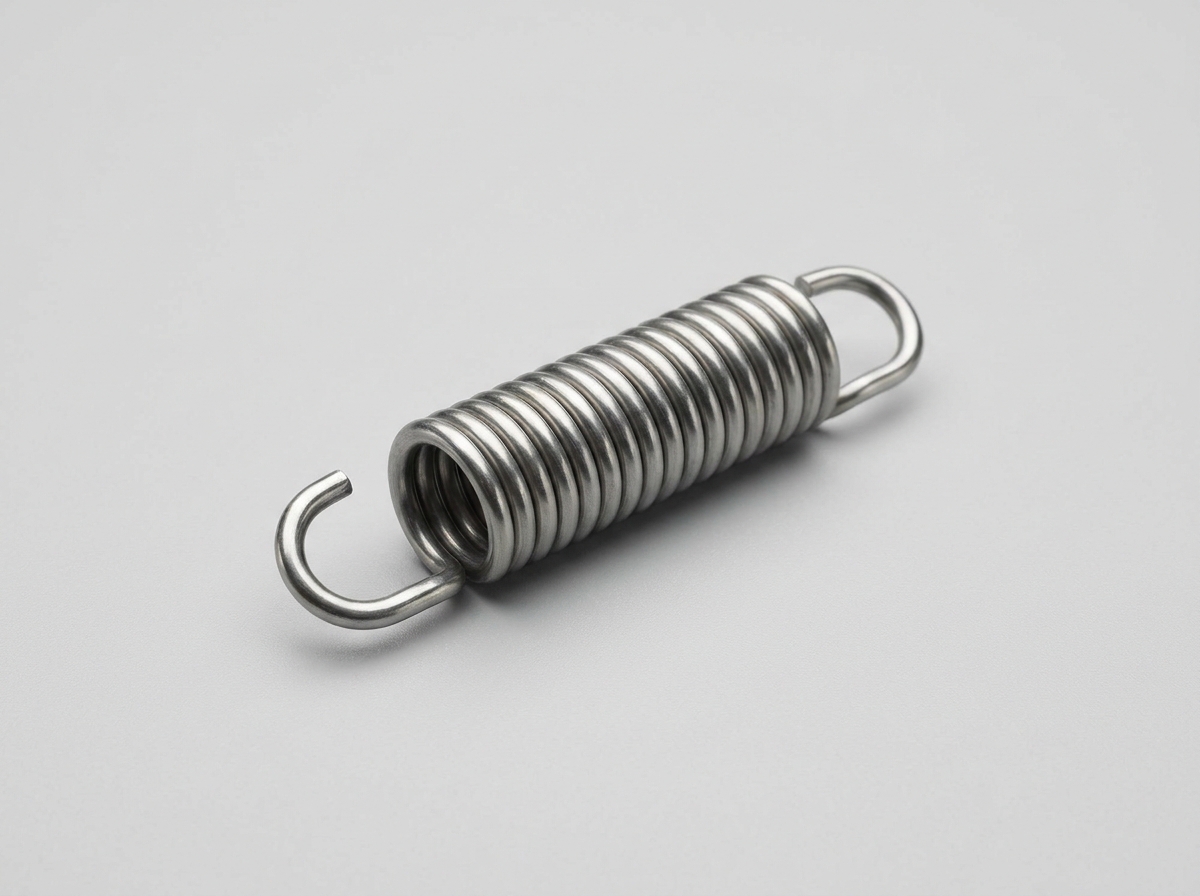
Aerospace work places a premium on controlled specifications, repeatable manufacturing and clear documentation around materials, dimensions and approved revisions.

Consumer and commercial products often balance functional feel, appearance, cost and production consistency in a way that is different from low-volume technical equipment.
Continue Your Project Review
Once the operating environment and program requirements are clear, continue with the spring type, application, material or manufacturing information needed for the drawing and RFQ.
RFQ Context
We do not need a long industry description. We need the few details that change how the part should be reviewed, manufactured or documented.
A Note on Compliance
Automotive, medical, aerospace and energy projects can each carry customer-specific standards, approval procedures and documentation requirements. Those requirements must be stated and confirmed for the individual RFQ.
This keeps the site useful without implying that every spring automatically meets every standard used in an industry.
Send your project requirements →FAQ
Not necessarily. The same basic spring form can appear in many sectors, but the environment, life-cycle target, documentation and production requirements may change the specification substantially. That is why the industry page focuses on project requirements rather than repeating the product catalog.
No. Industry names do not create automatic compliance. Any required standard, approval, material certificate, inspection plan or customer-specific submission must be stated in the RFQ and confirmed for the individual project.
Use the Products section for the spring family and manufacturing information. Use Applications when you are comparing how different spring styles solve a functional problem, Materials when environment or alloy choice is the main question, and Spring Guide for engineering reference data.
Yes. Documentation, inspection frequency, cleanliness, packing, traceability, surface condition or approval steps can affect the route even when the underlying geometry is unchanged.
No. The industry overview is only a guide. The fastest route to a useful review is to send the drawing or sample details together with the operating environment, quantity and any documentation requirements that matter to your project.
Send the drawing or sample together with the environment, quantity, life-cycle target and documentation requirements that matter to your program.