
Requirement Review
Drawing, sample, application, required load or torque, working movement, quantity and other known requirements are reviewed.
About CustomSprings
CustomSprings supports engineers, OEM teams and industrial buyers with application-driven spring manufacturing—from early requirement review and material selection through prototyping, inspection and repeat production.
Whether your project starts with a finished drawing, an existing sample or a set of functional requirements, we help turn those requirements into a manufacturable spring or formed component.
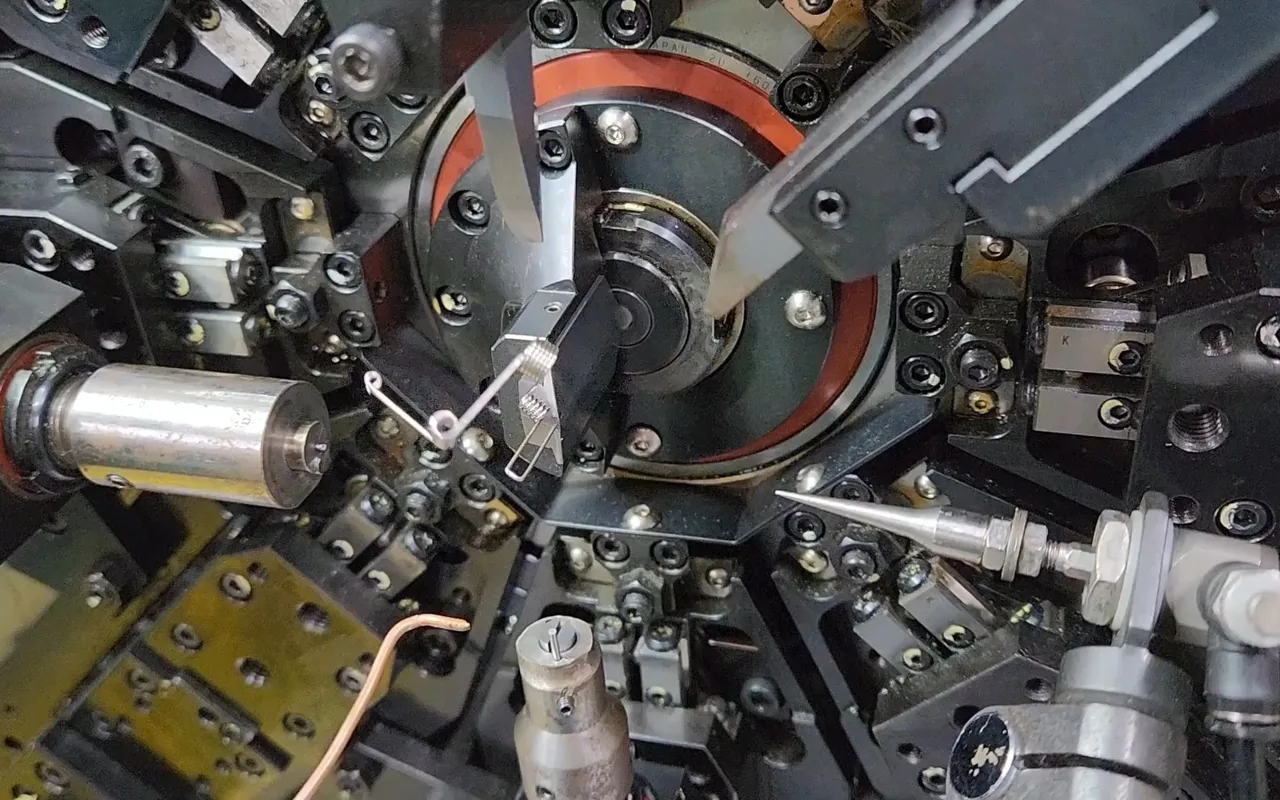
Who We Are
CustomSprings is focused on custom spring and formed-wire projects where dimensions alone are not enough to define a successful part.
A spring has to work inside a real assembly. Load, movement, installation space, operating environment, cycle requirements, material condition and mating components can all influence the final design and manufacturing route. That is why our approach starts with the application rather than simply selecting a spring from a catalog.
Projects can begin with a 2D drawing, 3D model, dimensioned sketch, existing sample or known performance requirements. We review the available information together so potential manufacturing or application issues can be identified before production moves forward.
Our objective is simple: create a clear path from requirement to approved part, while keeping the technical and commercial information connected throughout the project.
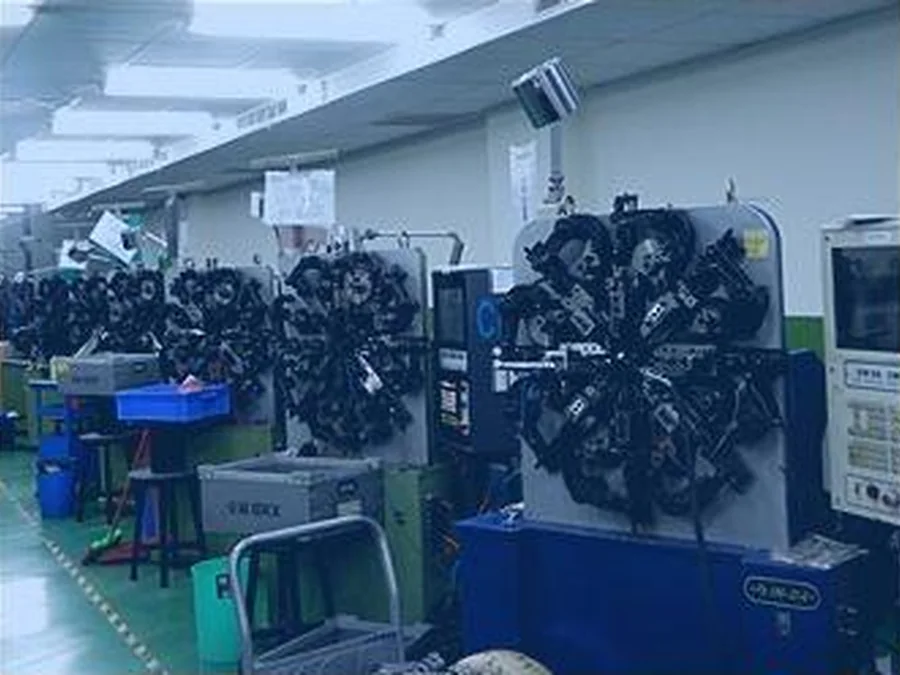
Custom Spring Scope
Different assemblies require different ways of storing, releasing or controlling mechanical energy. We support multiple spring and formed-component families instead of forcing every project into one standard geometry.
Axial-load springs for return force, cushioning, preload and energy storage, with geometry developed around force, travel and available space.
02Tension springs with application-specific hooks, loops and end configurations for return, positioning and retaining functions.
03Single and double torsion configurations for rotational force, return motion, hinges, levers and mechanism control.
04Two-dimensional and three-dimensional formed-wire components with bends, offsets, legs, hooks and functional end features.
05Compact and specialized spring configurations for high load, limited space, preload, sealing and demanding mechanical applications.
06Strip-based spring parts, clips and formed components where bend geometry, contact features and material condition control function.
Project Approach
A custom spring project normally involves more than sending dimensions and receiving parts. Each stage should close a different type of uncertainty before the project moves forward.
Drawing, sample, application, required load or torque, working movement, quantity and other known requirements are reviewed.
Material condition, geometry, tolerances, forming sequence, secondary operations and critical dimensions are evaluated.
Initial parts can be produced for dimensional, fit, load and functional evaluation before repeat production.
Critical characteristics are checked against agreed requirements so interpretation issues can be resolved early.
Approved specifications and process requirements are carried into manufacturing, inspection, packing and subsequent orders.
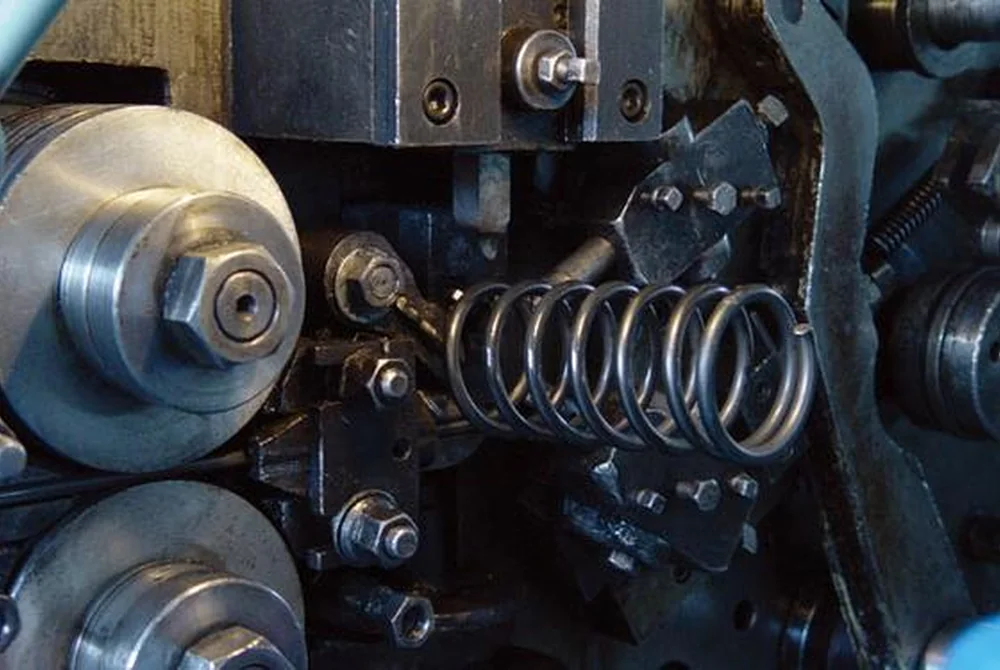
Manufacturing Capability
The spring category is only the starting point. Actual manufacturing depends on wire or strip condition, geometry, forming sequence, tolerances, heat treatment, finishing, inspection requirements and production quantity.
Controlled forming for compression, extension, torsion and related coiled spring geometries.
Complex wire components with multiple bends, offsets, legs and end features.
Manufacturing routes for flat springs, clips and other strip-based elastic components.
Thermal processing coordinated with material and forming route to achieve the required finished condition.
Grinding, deburring, cleaning, passivation, plating, coating and other required finishing operations.
Project support can move from initial samples and first-article review into controlled repeat production.
Material Options
Spring material affects strength, fatigue behavior, corrosion resistance, temperature capability, conductivity and manufacturing response. Material should be reviewed together with stress level, environment, temperature, expected cycle life and finished condition.
Application Support
Custom springs are used wherever a mechanism needs force, motion, return, preload, positioning, electrical contact or energy storage. The final configuration is selected around mechanical function and operating environment rather than the industry name alone.
Quality & Inspection
A useful inspection plan is not a generic checklist applied to every spring.
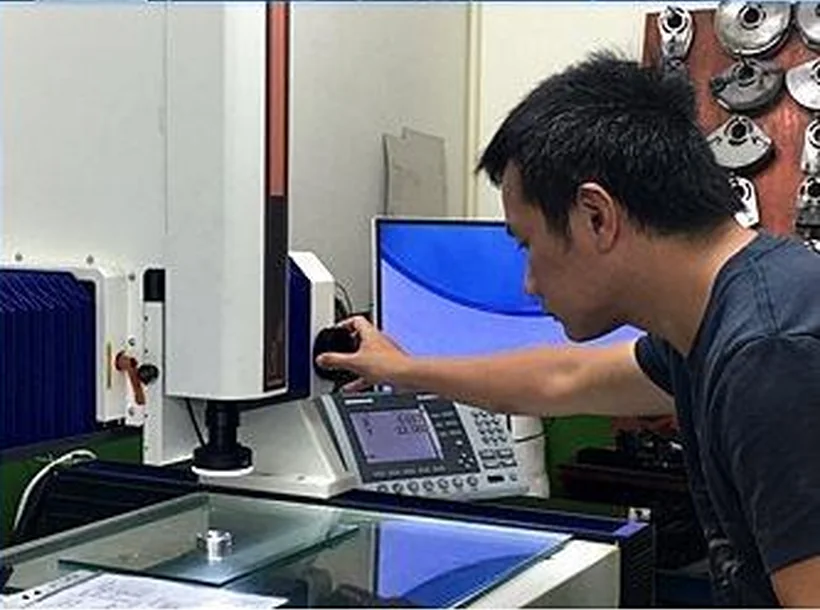
Inspection should focus on the dimensions and functional characteristics that determine whether the component will work correctly inside the customer's assembly.
Critical dimensions are checked against the approved drawing using suitable measurement methods.
Where performance is specified, corresponding functional checks can be included in the inspection plan.
Material designation and required process condition are reviewed against order requirements.
Burrs, deformation, finish condition, cleanliness and visible damage are reviewed where relevant.
Initial samples can be evaluated before repeat production to confirm critical characteristics.
Packing, labeling, deformation risk, tangling and lot identification can be reviewed when required.
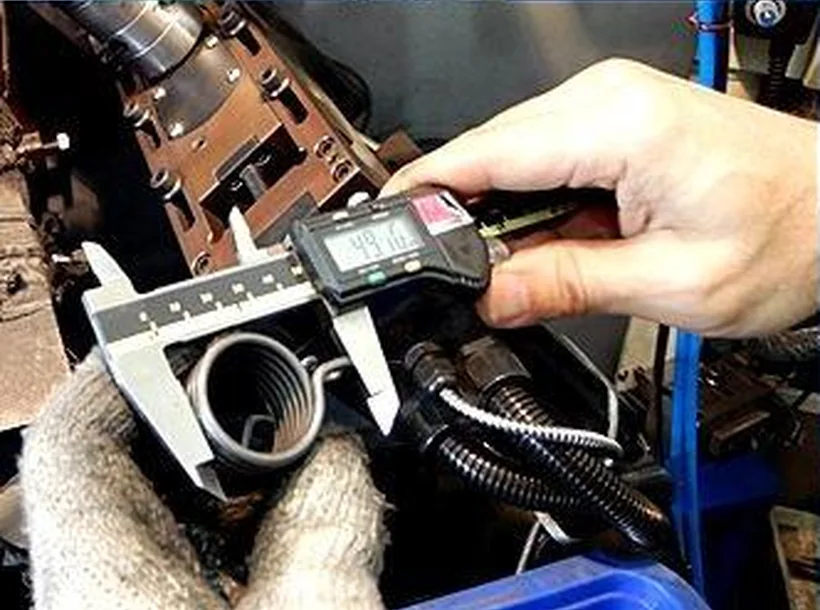
Why CustomSprings
The value of a manufacturing partner is not a slogan. It is the ability to translate incomplete project information into a clear review, production route and repeatable specification.
Projects can begin with an engineering drawing, CAD model, dimensioned sketch or physical sample.
Force, movement, space, environment and cycle requirements are considered together with component geometry.
Initial samples provide an opportunity to confirm fit, dimensions and function before larger production runs.
Compression, extension, torsion, wire forms, flat springs and specialty configurations can be reviewed.
Material selection can be matched to mechanical load, corrosion, temperature, conductivity and operating conditions.
Inspection focuses on the characteristics that control actual assembly performance and approved requirements.
Start a Project
You do not need to prepare a long specification document before contacting us.
Send the information you already have. If some details are still unknown, include the application so the open points can be identified during review.
Your Next Spring Project
Send what you already have. We can review the geometry, material, functional requirements, quantity and manufacturing considerations before the production route is finalized.