
Skip to content
Contact Request a Quote

Manufacturing Capability

Custom Spring Manufacturing Capabilities

A drawing-led production route for coiled springs, wire forms, flat spring parts and related formed components—from early manufacturability review through sample approval and repeat production.

Custom spring manufacturing capability

Production Routes

How a Spring Project Moves Into Production

Manufacturing is planned around the actual drawing, material condition, critical features, inspection needs and order pattern. The spring name alone does not determine the process.

CNC Spring Coiling

Coiling routes are planned around wire condition, coil geometry, pitch, end form and the dimensions that matter in the finished assembly. The aim is repeatable production from an approved drawing, not simply matching a nominal spring category.
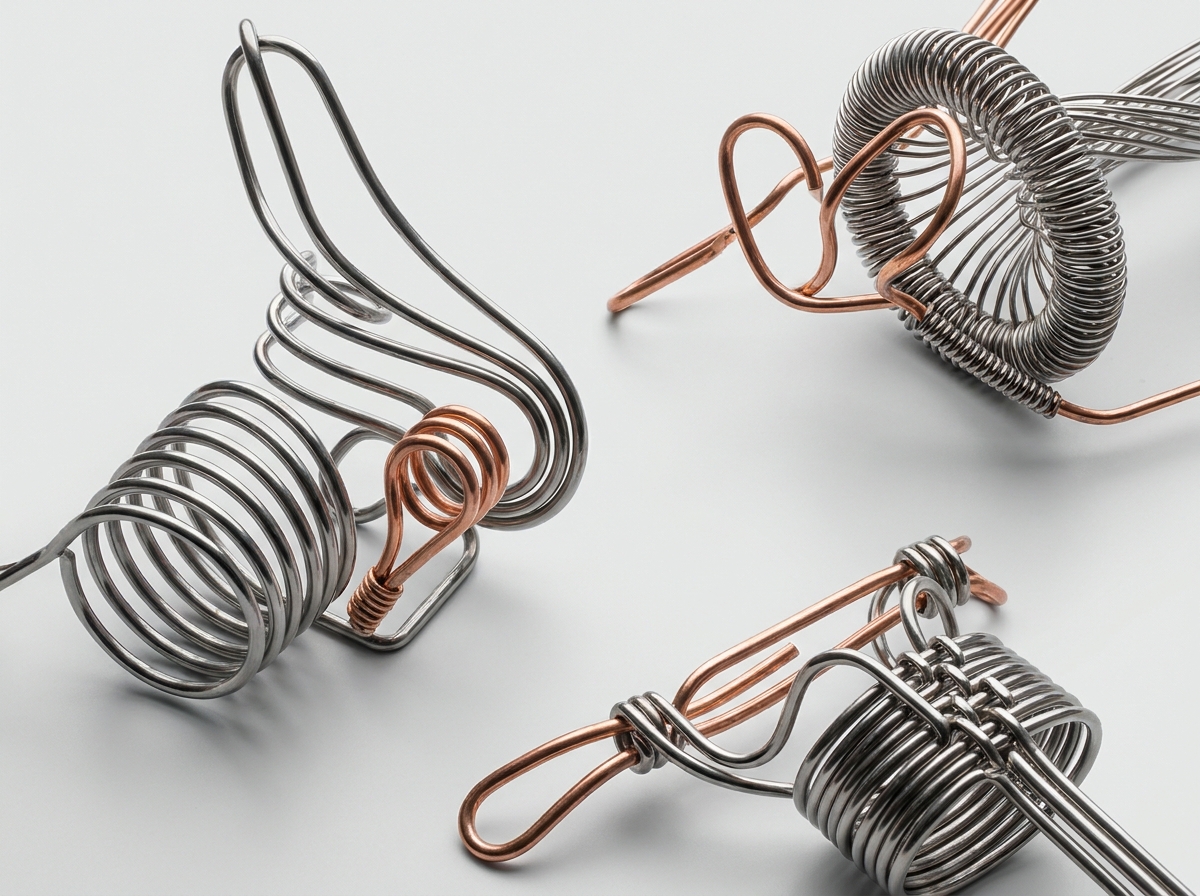
Multi-Axis Wire Forming

Two- and three-dimensional wire parts can require several bends, offsets and end features in one sequence. Forming order, springback and access for tooling are reviewed before samples are made.

Flat Strip & Formed Parts

Flat springs, clips and contact-style parts are reviewed around strip thickness, bend direction, edge condition, formed features and the secondary operations needed after blanking or forming.

Heat Treatment & Stress Relief

Thermal processing is matched to the material and forming route so the finished part can hold its geometry and intended spring behavior. The required condition is confirmed against the drawing or material specification.

Secondary Operations & Finish Coordination

Grinding, deburring, cleaning, passivation, plating, coating or other secondary work is considered as part of the production route when the drawing calls for it. Finish selection itself stays tied to the material and service environment.

Custom Spring Prototyping & Production

Custom spring prototyping can begin with sample quantities for fit, load and assembly review, then move into first-article approval and repeat production. Drawing revision, inspection needs and packaging expectations are carried forward so later orders do not start from zero.

Manufacturability Review

Four Things That Change the Manufacturing Route

Two springs with a similar function can need very different tooling and controls. These are the factors we review before a route is confirmed.

01

Geometry & Forming Sequence

Tight bends, long legs, changing diameters, close coils and complex end features can change the tooling and forming sequence even when two parts look similar on paper.

02

Material Condition

Wire or strip grade, temper, diameter and supplied condition affect springback, heat treatment and the amount of forming that can be completed reliably.

03

Critical Dimensions & Function

The drawing should identify which dimensions, loads, angles or contact points actually control assembly performance. Those features deserve the tightest process and inspection attention.

04

Quantity & Repeatability

A prototype run and a repeat production order may use the same design but need different tooling, inspection frequency, handling and packing plans. Volume is reviewed together with the part geometry.

Material question? Use the Spring Materials section for alloy selection. For dimensional reference data, use the Spring Engineering Guide.

Quality Planning

Inspection Follows the Drawing, Not a Generic Checklist

The useful inspection plan is the one tied to the dimensions and performance characteristics that control your assembly. We avoid presenting one tolerance table as if it applies to every spring geometry.

Dimensional checks

Critical dimensions are checked against the approved drawing using inspection methods suited to the feature and tolerance.

Load, torque or functional checks

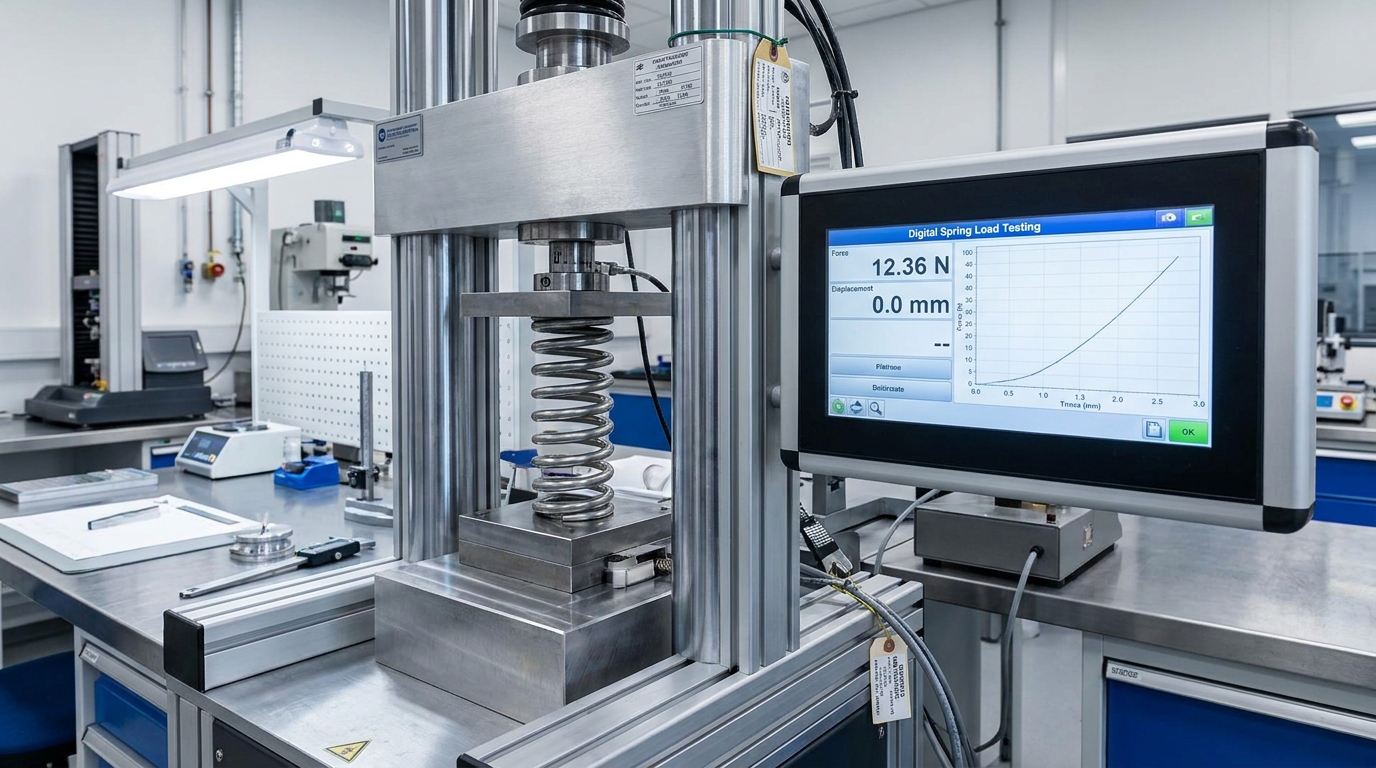
Where the drawing defines a force, torque, travel or contact requirement, the inspection plan can include the corresponding functional check.

Material and process verification

Material designation and required process condition are reviewed against the order requirements before release.

Surface and visual review

Burrs, deformation, coating condition, cleanliness and visible damage are reviewed where they matter to handling or assembly.

First-article alignment

Samples can be reviewed before repeat production so drawing interpretation, fit and functional requirements are settled early.

Packing and lot identification

Part orientation, tangling risk, deformation risk, labeling and lot separation are considered before shipment, especially for small formed parts.

Spring inspection and quality review

Project Flow

From RFQ to Repeat Production

Each stage closes a different type of uncertainty before the project moves forward.

  1. 01

    RFQ Review

    Drawing, sample, material, quantity and functional notes are checked for missing information and obvious conflicts.

  2. 02

    Manufacturability Review

    Forming sequence, critical dimensions, tooling needs, secondary work and inspection points are identified before quoting is finalized.

  3. 03

    Sample Plan

    Prototype quantity, sample condition and the measurements or functional checks needed for approval are agreed.

  4. 04

    First Article / Approval

    The initial parts are compared with the approved requirements so any drawing interpretation can be resolved before repeat production.

  5. 05

    Production & In-Process Control

    Production follows the confirmed route with checks focused on the dimensions or performance characteristics that matter most.

  6. 06

    Final Review & Repeat Order Control

    Final inspection, packing and documentation are completed, with drawing revision and project notes retained for future repeat orders.

Documentation

Confirm the Required Document Set Before Production

Not every project needs the same records. Tell us what your customer or quality system requires so the scope can be reviewed with the quotation rather than added after samples are complete.

  • Material certificate or material identification when required by the purchase specification
  • Dimensional inspection report for agreed characteristics
  • Load, torque or functional test results where defined on the drawing
  • First-article documentation when the project requires formal sample approval
  • Customer-specific documentation such as PPAP-style submissions when requested and confirmed during quotation
  • Packing, labeling and lot-identification instructions for repeat supply

RFQ Preparation

What to Send for a Manufacturing Review

A complete RFQ shortens the back-and-forth and lets the production route, inspection plan and quotation be reviewed together.

  • 2D drawing, 3D model, dimensioned sketch or a clear sample reference
  • Material grade and condition if already specified
  • Critical dimensions, load/torque requirement and working travel where applicable
  • Prototype quantity, order quantity and expected repeat volume
  • Operating environment if it affects finishing, cleanliness or process choice
  • Inspection, documentation, labeling or packaging requirements that must be included in the quote

FAQ

Custom Spring Manufacturing Questions

Do you need a finished drawing before reviewing a spring project?

No. A review can start from a sample, sketch, photos and key dimensions. Final production still needs a controlled set of requirements so the part can be manufactured and inspected consistently.

Are spring tolerances fixed across every product type?

No. Achievable tolerance depends on material, wire or strip size, geometry, forming sequence, heat treatment, inspection method and which dimension controls the assembly. Critical tolerances should be confirmed on the drawing rather than copied from a generic table.

Can prototype and repeat production use the same manufacturing route?

Often yes, but not always. A prototype may use simplified tooling or extra inspection, while repeat production may justify dedicated tooling, different handling or a more efficient inspection plan. The route is reviewed against both geometry and quantity.

Which quality documents can be supplied?

The required document set should be listed with the RFQ. Material certificates, dimensional reports, load or torque results, first-article records and customer-specific submissions can then be reviewed and confirmed before order placement.

What should I send for a custom spring prototyping review?

Send the drawing or sample, known dimensions, target load or torque, working travel, material preference, prototype quantity and the test or inspection points that will determine whether the sample is approved.

Send the Drawing Before You Lock the Production Route

We can review geometry, material, quantity, critical characteristics, secondary operations and documentation needs together.

Request a Manufacturing Review