
Where it earns its place
Best-Fit Uses
Keypads and membrane switches
Provides a crisp tactile event when the user presses the control area.
PCB contacts and small control panels
Combines compact snap action with an electrical contact function when the surface system is designed for it.
Providing spring action in a shallow product
A formed strip can flex from a fixed area to a working contact without the height of a separate coil spring.
Combining contact, retention and spring force
Useful when one stamped or formed part can both locate something and maintain pressure on it.
Why this style works here
What This Spring Style Solves
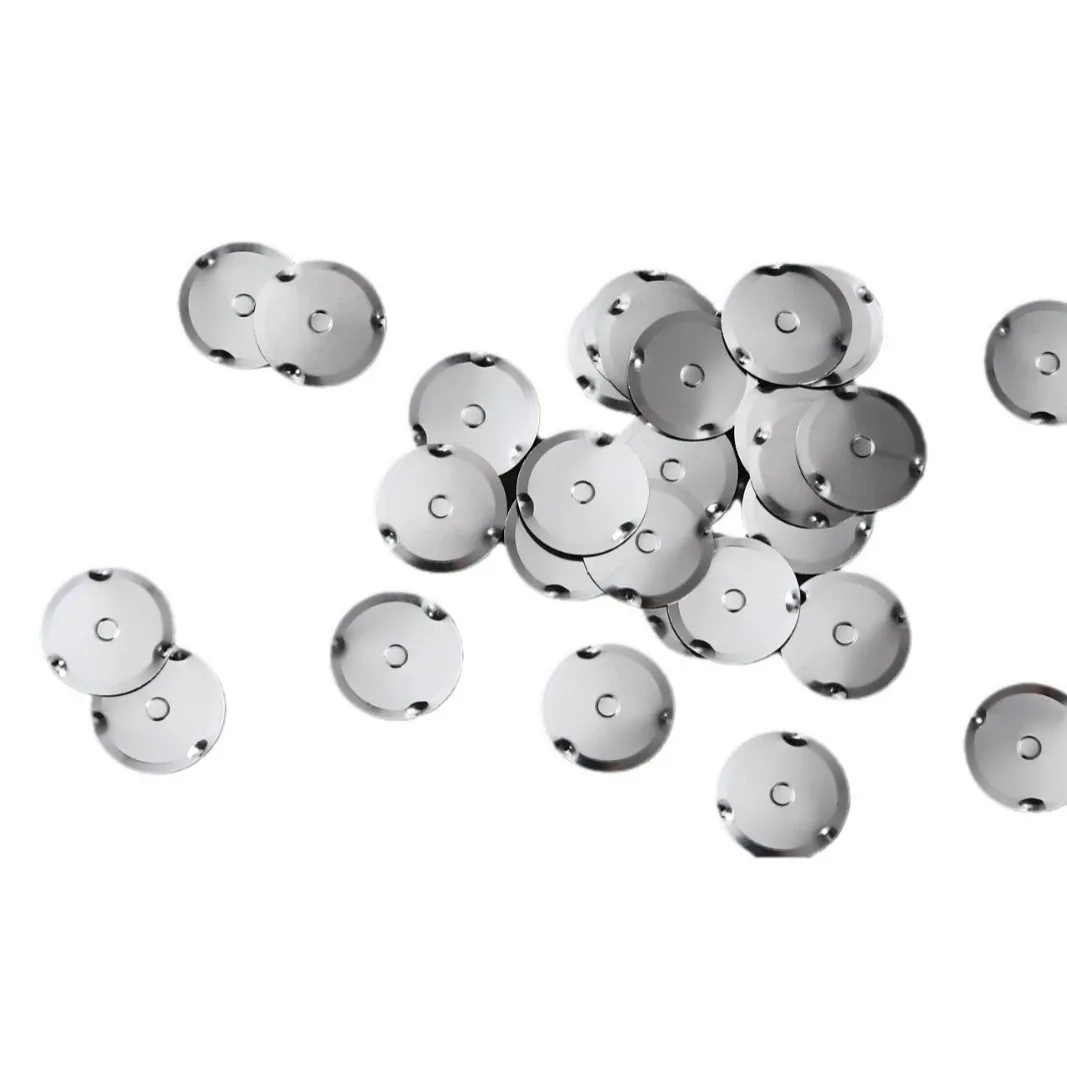
Snap-through behavior creates a clear change in force and position, which is useful for tactile feedback and compact switching without a conventional coil spring.
Before you choose it
What to Confirm in Your Assembly
- Specify actuation force, return force, available height and total travel.
- Show the actuator shape, support surface and exact location where the dome is pressed.
- Show the fixed region, working length and exact contact point.
- State free position, installed deflection and maximum deflection.
- Identify sliding contacts, electrical current or wear requirements if the spring also forms part of an interface.
Avoid forcing the wrong spring into the design
When Another Spring Style May Fit Better
The actuator and support surface are part of the tactile feel. A dome tested by itself can behave differently after it is bonded, trapped or pressed off-center in the final product.
- Cantilever flat springs for smoother non-snap contact
- Compression springs for linear button return
- Elastomer domes where molded tactile elements are acceptable
Keep material selection separate
Environment & Material Direction
Flat springs are often chosen together with conductive or corrosion-resistant alloys. Use the Materials section for that comparison after the working deflection and contact geometry are clear.
Move from the use case to the specification
Where to Go Next
Application questions
Frequently Asked Questions
What creates the tactile feel of a snap dome?
The relationship between actuation force, collapse, travel and return force creates the perceived snap. Support and actuator geometry also influence what the user feels.
Why are bend locations important in a flat spring?
Sharp bends and short flex lengths can concentrate strain near the mounting area. The part should be designed so the intended working region flexes rather than forcing repeated movement into a tight forming radius.
What should I send for an application review?
Send the assembly drawing or a clear sketch, the working positions, the force or torque you need, expected cycles, environment and quantity. If an existing spring is being replaced, include its dimensions and explain what is not working well in the current design.
Same application family