
Key Takeaways
- The first spring selection decision is the direction of the force and the type of motion, not the wire size or material.
- Compression springs resist axial push, extension springs resist axial pull, and torsion springs resist rotation through their legs.
- Wave, disc, and flat springs are the better choice when the axial envelope is too short for a coil spring.
- Extension springs normally carry initial tension, so they do not behave like compression springs at zero load.
- Exact dimensions, rates, loads, and tolerances must be confirmed through engineering review or an RFQ.
You have a load to hold, a motion to return, or a torque to store, and the drawing needs a spring callout. The first decision is not wire size or material grade — it is which spring family matches the direction of the force and the way the mechanism moves. Compression, extension, and torsion springs cover the majority of custom spring applications, and choosing the wrong family is the most expensive mistake in the early design stage because it usually forces a redesign of the housing, not just the spring.
Direct answer: what each spring family means and when it is used
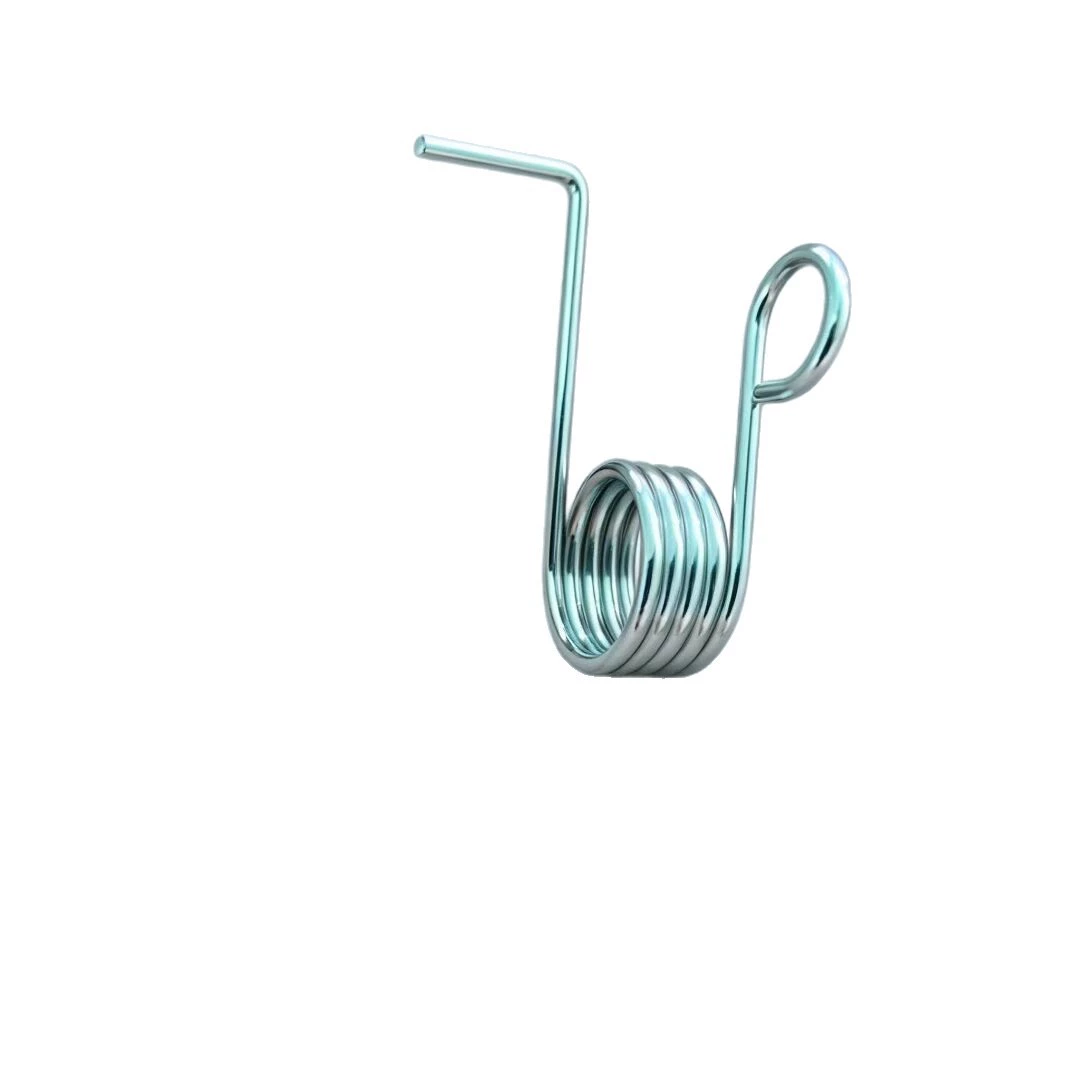
A compression spring stores energy when it is pushed shorter along its axis. It is used where a mechanism must resist being closed, where two surfaces must be held apart, or where a load must build as travel increases. An extension spring stores energy when it is pulled longer, and it is used where a mechanism must be held closed, returned to a rest position, or preloaded against a stop. A torsion spring stores energy when its legs are rotated around the coil axis, and it is used where a lid, lever, latch, or clamp must swing or rotate rather than move in a straight line.
That is the whole selection logic in one sentence: match the spring family to the direction of the force and the type of motion. Everything else — end configuration, material, finish, and tolerance — follows from that first decision. If you are still mapping the full range of available forms, the spring catalog and the reference data in the Spring Guide are the right places to start before locking a concept.
Main spring types and the practical differences between them
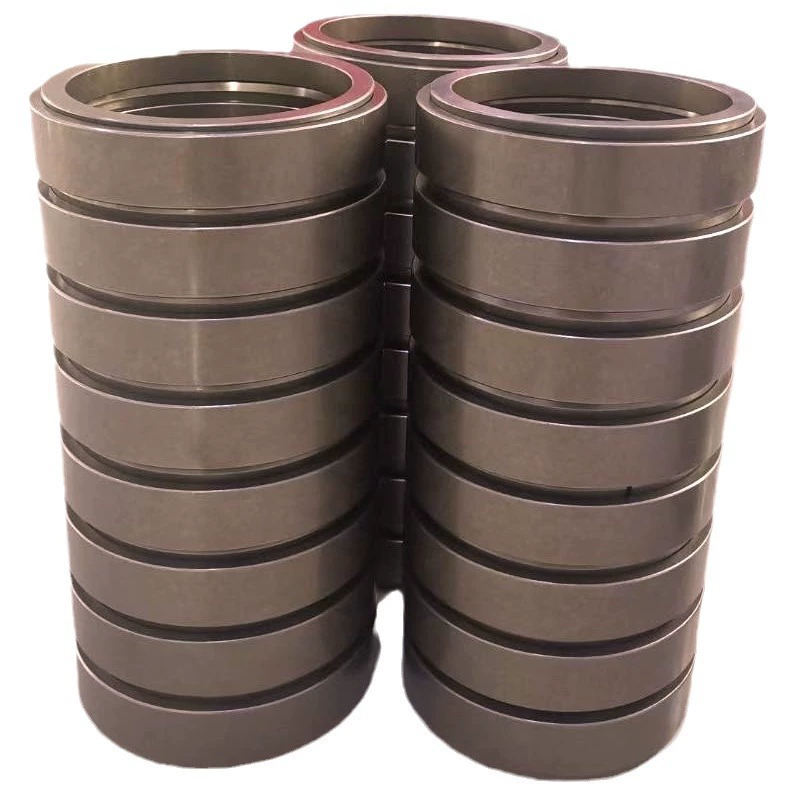
Compression springs are the most familiar form: a helical coil that resists axial compression. They can be made with closed or open ends, ground or unground ends, and in constant or variable pitch. Variable-pitch and variable-diameter versions change the rate as the spring deflects, which is useful when a mechanism needs a softer initial touch and a firmer final hold. Square-wire and special-section compression springs pack more material into the same envelope when space is tight.
Extension springs resist being pulled apart and normally carry initial tension, meaning a small force is needed before the coils separate. The end configuration does most of the work in the application: hooks, loops, threaded ends, reduced ends, and swivel hooks each solve a different assembly problem. Continuous-length and micro extension springs serve high-volume or miniature assemblies where handling and feed matter as much as spring rate.
Torsion springs resist rotation and work through legs rather than through a straight push or pull. Straight-leg, double torsion, flat-wire, and special-shaped torsion springs cover most rotary return duties. Double torsion designs balance the load across two coils, which reduces side loading on the shaft. Spiral torsion and clock springs extend the same rotary principle to a flat strip wound in a plane, while constant-torque and power springs deliver a more level torque curve over a long rotation.
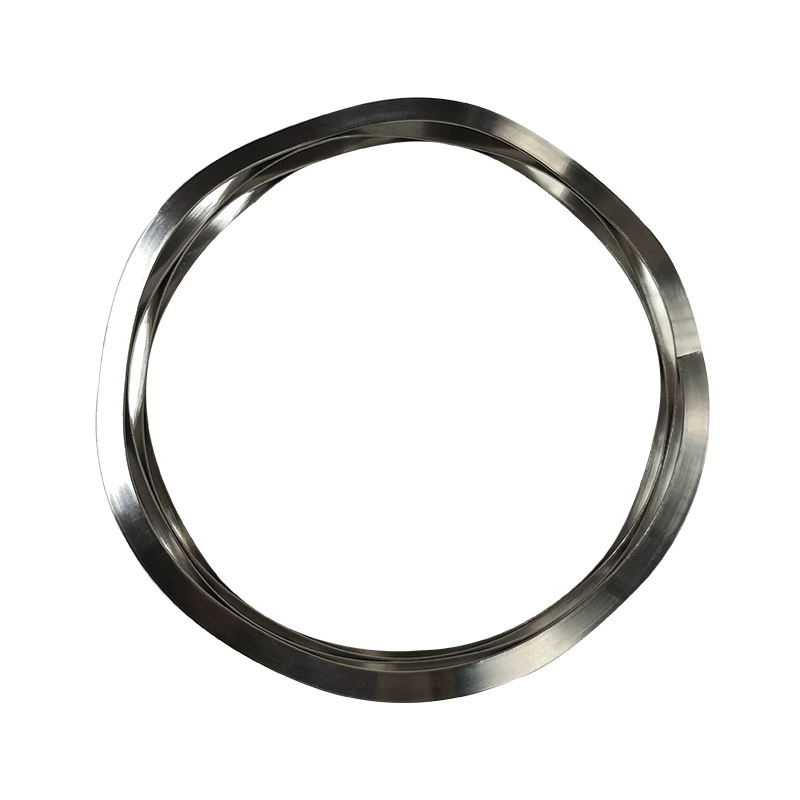
Beyond those three families, flat springs, disc springs, wave springs, and clip-type springs solve problems where axial space is very short or where the spring is also a contact or retaining feature. Wave springs, for example, produce a similar force in a much shorter stack height than a coil spring. Formed flat springs and stampings often replace a coil spring plus a bracket with a single part.
How engineers choose between compression, extension, torsion, coil, flat, disc, wave, and clip forms
Start with the direction of the applied force and the direction of travel. If the force pushes the two mounting points together, you are in compression territory. If the force pulls them apart, you need an extension spring. If the force acts at a radius and produces rotation, you need a torsion spring or a spiral form. If the force is axial but the available height is measured in a few millimeters, a wave spring, disc spring, or formed flat spring is usually the better answer.
Next, look at how the spring will be installed. A compression spring needs a guide rod or a pocket to keep it from buckling, and it needs flat, parallel seats so the coils are not side-loaded. An extension spring needs anchor points that match the hook or loop geometry, and it needs enough room to extend without the coils rubbing or the hook opening. A torsion spring needs a shaft or arbor to wind around and a positive stop for each leg, otherwise the legs will walk and the torque will drop.
Then consider the load-deflection behavior you actually need. A constant-rate compression spring gives a straight-line force curve. A variable-rate or progressive spring gives a rising curve. An extension spring with initial tension gives a force offset before travel begins. A torsion spring gives torque proportional to angular deflection within its working range. If the mechanism needs a nearly flat force over a long stroke, constant-force and constant-torque springs are the specialized answer, and they behave very differently from a standard coil spring.
Finally, check the environment and the duty cycle. Corrosion, temperature, and cycling all narrow the material and finish choices, and they can also push you from one family to another. A compression spring that would work in a dry indoor mechanism may not be the right choice in a wet or high-cycle application. Material selection is covered in more depth on the material pages, and it should be confirmed with engineering review before release.
Application fit: load direction, space, motion, environment, and assembly
Load direction is the first filter, but space is often the deciding one. Compression springs need axial length plus clearance for solid height. Extension springs need axial length plus the length of the hooks and the travel. Torsion springs need radial space around the shaft and clearance for the legs to rotate. When the envelope is shallow, wave springs, disc springs, and flat springs win because they generate force through a short axial stack rather than a long coil.
Motion type matters just as much. Linear motion with a return-to-rest requirement points to compression or extension. Rotary motion with a return-to-rest requirement points to torsion, spiral, or power springs. A latch that snaps over center may need a formed flat spring or a clip rather than a coil spring, because the spring is also the retaining feature. Spring clips, R-clips, and retaining rings are examples where the spring function and the fastening function are combined in one part.
Environment drives material and finish, and it can also change the family. High cycle counts favor designs that avoid sharp stress risers, which often means a simple coil form rather than a complex formed shape. Corrosive environments push toward stainless or coated options, and the coating itself can change the friction and the effective rate. Assembly constraints are the last filter: if the spring cannot be installed without special tooling, or if it can be installed backwards, the design will fail on the line even if the calculations are correct.
Common selection mistakes that lead to poor performance
- Choosing by habit instead of by force direction. Reaching for a compression spring because it is familiar, when the mechanism actually pulls apart, leads to a spring that is always in the wrong part of its travel.
- Ignoring initial tension in extension springs. Extension springs do not behave like compression springs at zero load, and treating them as if they do throws off the preload calculation.
- Forgetting the solid height and the travel limit. A compression spring that reaches solid height before the end of the stroke will overload the coils and the housing.
- Under-constraining a torsion spring. Without a shaft and leg stops, the spring rotates, the legs shift, and the delivered torque falls below the design value.
- Specifying a wave or disc spring without checking the seat. These forms are sensitive to flatness and parallelism, and a poor seat can dominate the performance.
- Leaving material and finish to the last minute. Corrosion, temperature, and fatigue life are material decisions, and changing them late can force a geometry change.
- Designing around a catalog number instead of the function. Custom springs exist because the function should drive the geometry, not the other way around.
Exact values for wire diameter, outside diameter, free length, coil count, spring rate, load, deflection, cycle life, and tolerance depend on the specific design and must be confirmed through engineering review or an RFQ. Do not assume a value from a similar-looking spring will transfer to your application.
| Spring family | Force direction | Typical fit | Main constraint |
|---|---|---|---|
| Compression | Axial push | Hold apart, resist closing, return linearly | Needs guide and flat seats; solid height limits travel |
| Extension | Axial pull | Hold closed, return to rest, preload | Initial tension and hook geometry |
| Torsion | Rotational | Lids, levers, latches, clamps | Needs shaft and leg stops |
| Wave / disc / flat | Axial, short stack | Shallow envelopes, contact and retaining duties | Seat flatness and parallelism |
| Spiral / power / constant force | Rotational or long stroke | Level force or torque over long travel | Drum or arbor design and strip alignment |
Internal next steps for your spring selection
Once the family is clear, move to the specific form. Browse the spring catalog for the closest category, then narrow by material and finish on the material pages. If the application is defined by a mechanism rather than a spring type, the application pages show how similar duties are solved. For rotary return duties, review the torsion spring categories such as flat-wire torsion springs and double torsion springs. For shallow axial envelopes, compare single-turn gap wave springs, crest-to-crest wave springs, and crescent or curved spring washers. For retaining and clip functions, look at spring clips and the retaining ring families.
When the concept is ready, send the drawing, the load and travel requirements, the space envelope, and the environment to the RFQ team. Engineering review will confirm the geometry, material, and tolerances that the application actually needs.
If you are still comparing concepts, start with a drawing review or a sample review. A short conversation about the force direction, the available space, and the assembly method usually saves more time than another round of catalog searching.
Frequently Asked Questions
How do I decide between a compression spring and an extension spring?
Look at the direction of the force between the two mounting points. If the mechanism pushes the points together and the spring must resist that motion, use a compression spring. If the mechanism pulls the points apart and the spring must hold them together or return them, use an extension spring. The installation hardware, guide or anchor points, and available travel then follow from that choice.
When should I use a torsion spring instead of a compression or extension spring?
Use a torsion spring when the output is rotation rather than linear travel, such as a lid, lever, latch, or clamp that swings around a shaft. Torsion springs deliver torque through their legs, so they need a shaft or arbor and positive stops for each leg. If the motion is linear, a compression or extension spring is usually the simpler and more compact answer.
What are the most common mistakes in spring type selection?
The most common mistakes are choosing a familiar spring family without checking the force direction, ignoring initial tension in extension springs, forgetting solid height and travel limits in compression springs, and under-constraining torsion springs so the legs walk. Late material and finish changes also cause redesigns because corrosion and fatigue requirements can force a geometry change.
Can a wave spring replace a compression spring in a tight space?
In many shallow-envelope applications, yes. Wave springs generate force through a short axial stack, so they can fit where a coil spring cannot. The trade-off is that wave springs are more sensitive to seat flatness and parallelism, and their load-deflection behavior differs from a coil spring. The specific geometry and load must be confirmed by engineering review.
What information do I need before requesting a custom spring quote?
Provide the force direction, the load and travel or rotation requirements, the available space envelope, the mounting or anchor details, the environment, and the expected duty cycle. A drawing or sketch helps even if it is not final. Exact wire diameter, free length, rate, and tolerances are confirmed during engineering review or RFQ, not assumed from a similar part.