
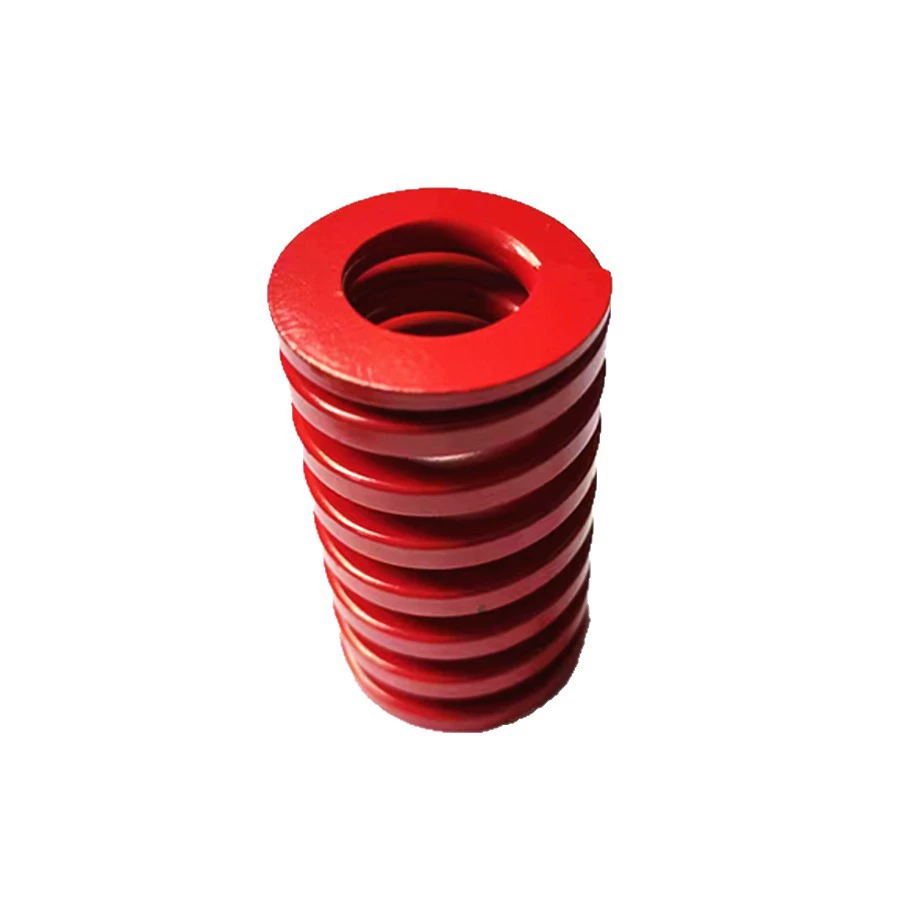
For product selection, compare Compression Springs, Extension Springs, Torsion Springs.
Key Takeaways
- Accurate spring measurement requires recording wire diameter, outside or inside diameter, free length, coil count, end condition, and any leg or hook geometry.
- Material selection and forming process choices directly affect measured dimensions such as free length, solid height, and load at deflection.
- Heat treatment, grinding, shot peening, and plating can change spring dimensions and performance, so measure in the as-received condition and note any finishes.
- A complete RFQ package includes a drawing with critical dimensions, load or torque requirements, material specification, environment, and inspection needs.
- If no drawing exists, send a clear photograph with a scale, a sample, and a functional description so the spring house can confirm dimensions.
A sourcing engineer opens a box of failed springs from a returned assembly. The springs look fine at a glance, but the assembly jammed. The root cause is often a dimension that was never measured correctly in the first place. When you are preparing a custom spring RFQ, measurement is not a formality. It is the foundation of a buildable specification. This guide explains how to measure a spring for custom manufacturing, what to send with your RFQ, and how measurement choices affect the finished part.
Answer-First Overview: How a Custom Spring Is Made
Custom spring manufacturing starts with a defined set of functional requirements: load at a given deflection, space envelope, cycle life target, environment, and mounting method. Those requirements are translated into wire or strip selection, forming or coiling, heat treatment or stress relief, end finishing, and inspection. Measurement is the feedback loop that connects the physical sample or mating hardware to that specification. Without accurate measurement, the spring house is guessing, and guessing leads to iteration, scrap, and schedule risk.
Material Selection and Wire/Strip Preparation
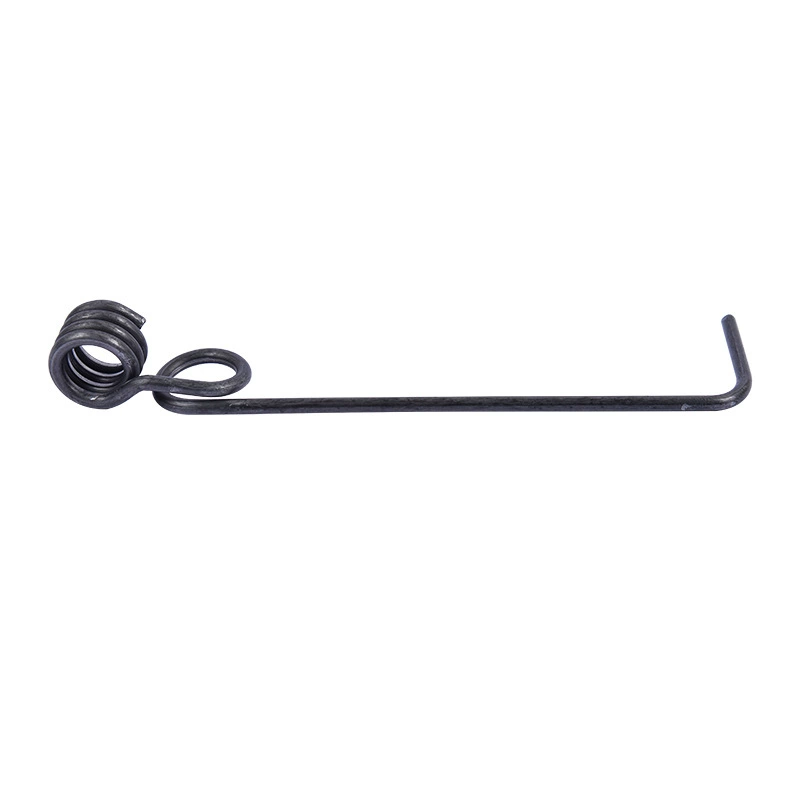
Material selection begins with the application environment and the required mechanical behavior. Carbon steel, stainless steel, alloy steel, copper alloys, and nickel alloys each bring different combinations of strength, corrosion resistance, conductivity, and fatigue performance. For flat springs and stampings, strip thickness and temper matter as much as chemistry. For wire springs, wire diameter and surface condition drive both rate and fatigue life.
Before forming, wire or strip is inspected for diameter, surface defects, and coil set. Lubricants and coatings may be applied to reduce friction during coiling. If the spring will be plated or coated after forming, the base material and any pre-cleaning steps must be compatible with that finish. Material selection is not a catalog pick; it is an engineering decision that should be confirmed against the actual operating conditions. For a deeper reference on material families and their trade-offs, see the spring material pages and the Spring Guide reference data.
Forming or Coiling Process
Compression springs are typically coiled on CNC spring machines that control pitch, diameter, and end conditions. Extension springs are coiled with initial tension and then have hooks or loops formed. Torsion springs are wound with legs positioned to engage mating features. Flat springs and stampings are formed in progressive dies or CNC bending equipment. Wave springs and retaining rings are formed from flat wire or strip and then may be heat treated to develop spring properties.
The forming process determines many of the dimensions you will later measure: outside diameter, inside diameter, free length, leg position, hook orientation, and end squareness. For example, a closed and ground compression spring will have a different free length and solid height than a closed-not-ground spring. If your drawing does not specify end condition, the spring house has to choose, and that choice affects assembly fit. When measuring a sample, note the end condition and whether the spring has been set or preset.
Stress Relief, Heat Treatment, Grinding, Shot Peening, and Finishing
After forming, many springs receive stress relief to reduce residual stresses from coiling. Some materials require a full heat treatment to develop the desired mechanical properties. Compression springs that need a flat bearing surface may be ground on the ends. Shot peening can be applied to improve fatigue life in high-cycle applications. Finishing steps may include plating, coating, passivation, or tumbling.
Each of these steps can change dimensions. Heat treatment may cause slight growth or shrinkage. Grinding removes material and changes free length and solid height. Shot peening alters surface condition but not nominal dimensions. If you are reverse-engineering a spring, measure it in the as-received condition and note any evidence of prior heat treatment or coating. If the spring is plated, measure the base material if possible, because plating thickness can affect fit in tight bores.
Inspection and Testing Checkpoints
Inspection for custom springs typically includes dimensional checks, load testing, and visual examination. Dimensional checks cover wire diameter, outside or inside diameter, free length, coil count, pitch, leg length, and hook dimensions. Load testing measures force at a specified deflection or deflection at a specified load. For torsion springs, torque at a given angle is the key metric. For flat springs, load at a given deflection and travel are common.
Testing may also include fatigue cycling, salt spray, or conductivity checks depending on the application. The specific inspection plan should be agreed upon before production. If you are measuring a spring for an RFQ, record the measurement method and the condition of the spring. A caliper reading on a plated spring is not the same as a micrometer reading on bare wire. For more on inspection and reference data, see the Spring Guide.
How Process Choices Affect Custom Spring Performance
Process choices are not independent. Wire diameter affects rate and stress. Coil count affects rate and solid height. End condition affects how the spring seats and how load is distributed. Heat treatment affects residual stress and fatigue life. Shot peening can extend fatigue life but adds cost. Grinding improves squareness but removes material. Plating improves corrosion resistance but can introduce hydrogen embrittlement risk if not controlled.
When you measure a spring, you are measuring the result of these choices. If the measured rate is different from the calculated rate, the difference may come from end condition, active coil count, or material modulus. If the free length is different from the drawing, the difference may come from heat treatment or grinding. Understanding these relationships helps you write an RFQ that gives the spring house the freedom to optimize the process while meeting the functional requirements.
RFQ Checklist: What Drawings or Specifications to Send
A complete RFQ package reduces back-and-forth and shortens the path to a buildable part. Include the following:
- A drawing with critical dimensions: wire diameter, outside or inside diameter, free length, coil count, end condition, leg or hook geometry, and any bend angles.
- Load or torque requirements at specified deflections, with tolerances.
- Material specification or a list of acceptable material families.
- Surface finish, plating, or coating requirements.
- Operating environment: temperature range, corrosion exposure, and any cleaning or sterilization requirements.
- Cycle life target and fatigue requirements.
- Assembly constraints: bore diameter, rod diameter, mating features, and available space.
- Any reference sample, with a note on its condition and whether it is a functional benchmark.
- Inspection and documentation requirements.
If you do not have a drawing, send a clear photograph with a scale, a sample, and a description of the function. The spring house can then confirm dimensions and propose a specification. For RFQ submission, use the contact page or the RFQ form on the site.
SEO/PSEO Rules: How to Measure a Spring for Custom Manufacturing
This section is for the search engine and for readers who want a quick answer. The main search intent is: how do I measure a spring so I can order a custom spring? The short answer is: measure wire diameter, outside or inside diameter, free length, coil count, end condition, and any leg or hook geometry, then record load or torque at a specified deflection if possible. Use calibrated instruments and measure in the as-received condition. If the spring is plated or coated, note that the measurement includes the coating. For compression springs, also measure solid height and end squareness. For extension springs, measure hook opening and overall length including hooks. For torsion springs, measure leg length, leg angle, and coil inside diameter. For flat springs, measure thickness, width, and free position.
Entity-rich headings in this article name spring types, materials, processes, standards, and applications. The article supports existing pages by linking to spring catalog, category SEO pages, material pages, reference data, application pages, and RFQ/contact pages. Internal links are chosen from the approved link library and are used naturally in the text.
Key Facts and Comparison: Measurement Checkpoints for Common Spring Types
| Spring Type | Critical Dimensions to Measure | Performance Metric |
|---|---|---|
| Compression Spring | Wire diameter, outside/inside diameter, free length, solid height, coil count, end condition | Load at deflection, rate |
| Extension Spring | Wire diameter, outside diameter, body length, overall length, hook opening, hook orientation | Load at extension, initial tension |
| Torsion Spring | Wire diameter, inside diameter, leg length, leg angle, coil count, wind direction | Torque at angle |
| Flat Spring / Stampings | Thickness, width, free position, bend radius, hole locations | Load at deflection |
| Wave Spring | Free height, wire thickness, radial wall, number of waves | Load at flat height |
Measurement is the first step in a successful custom spring project. Accurate dimensions, clear functional requirements, and a complete RFQ package help the spring house deliver a part that fits and performs. If you need help confirming dimensions or selecting a material, send your drawing or sample for engineering review. The RFQ process is designed to catch issues before they become production problems.
Ready to move from measurement to manufacturing? Submit your drawing or sample for a custom spring quote and engineering review.
Frequently Asked Questions
What dimensions do I need to measure for a custom compression spring RFQ?
For a compression spring, measure wire diameter, outside or inside diameter, free length, solid height, total coil count, end condition (closed, open, ground, or not ground), and pitch. If possible, also measure load at a specified deflection or deflection at a specified load. These dimensions allow the spring house to calculate rate and stress and to propose a buildable specification.
How do I measure a spring if I don't have a drawing?
If no drawing exists, measure the spring with calibrated calipers or micrometers and record all visible dimensions. Take clear photographs with a scale in the frame. Send the sample if possible. The spring house can then reverse-engineer the dimensions and confirm the functional requirements with you before quoting.
Should I measure a spring before or after plating?
Measure the spring in the as-received condition and note whether it is plated or coated. Plating adds thickness that can affect outside diameter and fit in a bore. If the spring is plated, the base wire diameter may be smaller than the measured diameter. For critical fits, specify whether dimensions apply before or after plating.
What is the difference between free length and solid height for a compression spring?
Free length is the overall length of the spring when no load is applied. Solid height is the length when all coils are compressed together. Both are important for assembly: free length affects installed position, and solid height limits maximum deflection. Measure both and include them in your RFQ, along with the end condition.
How do I measure load or torque on a spring for an RFQ?
Load is measured by compressing or extending the spring to a specified deflection and reading the force on a load cell or spring tester. Torque for torsion springs is measured by rotating one leg while the other is fixed and reading torque at a specified angle. If you do not have test equipment, provide the functional requirement and let the spring house confirm the load or torque during engineering review.
Spring Products for This Guide
Open a product to review its geometry and the information needed for a custom quote.
- Conical Compression SpringsCompression Springs — geometry and quotation requirements
- Continuous-Length Extension SpringsExtension Springs — geometry and quotation requirements
- Double Torsion SpringsTorsion Springs — geometry and quotation requirements
- Continuous-Length Compression CoilsCompression Springs — geometry and quotation requirements
- Convex Compression SpringsCompression Springs — geometry and quotation requirements
- Cross-Over Loop Extension SpringsExtension Springs — geometry and quotation requirements