
Design reference
Made to the customer's EMI gasket channel drawing; no generic public catalog
Garter & Canted Coil Springs
Conductive spring contacts for enclosure seams and interfaces where mechanical compliance must maintain electrical continuity for EMI shielding or grounding.
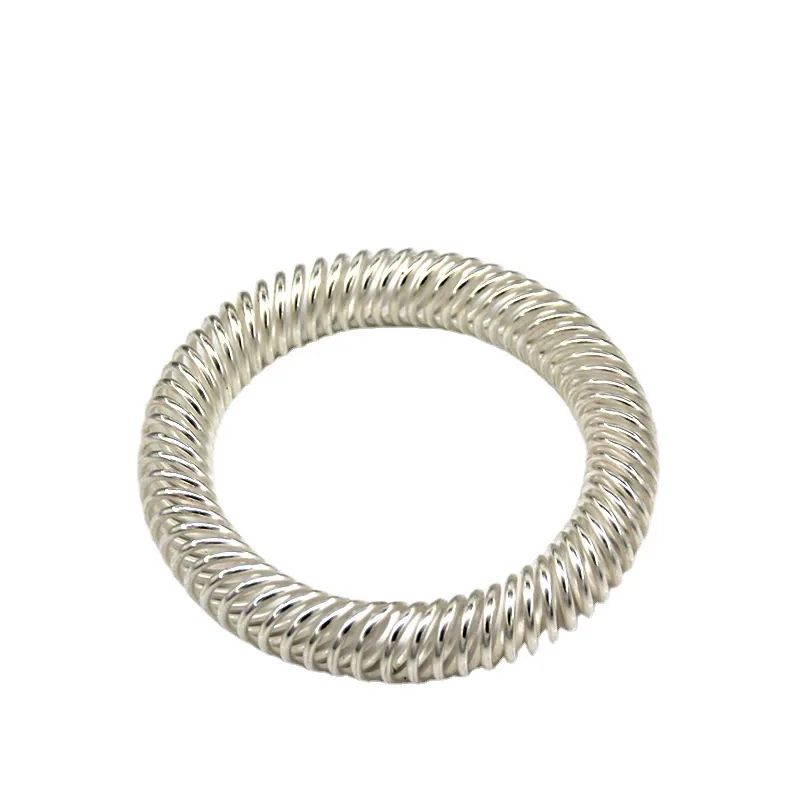
EMI shielding springs work at the boundary between mechanical fit and electrical performance. They need enough compliance to follow tolerance, vibration and repeated opening while maintaining a low-resistance contact path. Contact spacing, surface finish and the mating metal are as important as the free spring shape.
Mechanical height and electrical surface quality should be controlled together. For plated parts, masking, plating thickness and post-plate handling can affect both dimensions and contact reliability.
Made to Order
This category is reviewed from the drawing and working requirement rather than from a fixed public stock list.
Made to the customer's EMI gasket channel drawing; no generic public catalog
Beryllium copper, conductive stainless, silver- or tin-plated alloys
Shielding effectiveness and compression force depend on the enclosure channel design supplied by the customer.
Engineering Data
Use these data points to compare geometry, material and working parameters when defining your custom spring. Final values are reviewed and confirmed for the actual assembly before production.
| Configuration | Data type | Key parameters | Material / basis |
|---|---|---|---|
| Engineering Data 01 | Engineering Data |
|
Stainless / spring alloys / plated options |
| engineering minimum | Engineering Data |
|
SS / MP35N / Elgiloy / BeCu / Inconel etc. |
| Engineering Data 03 | Material Option |
|
Multiple conductive/corrosion-resistant alloys |
| Typical Configuration 04Data point | Typical Configuration |
|
302/316 SS, MP35N, Elgiloy, BeCu, Inconel etc. |
| Typical Configuration 05Data point | Typical Configuration |
|
302/316 SS, MP35N, Elgiloy, BeCu, Inconel etc. |
| Typical Configuration 06Data point | Typical Configuration |
|
302/316 SS, MP35N, Elgiloy, BeCu, Inconel etc. |
Design note: dimensions, force / torque, material, tolerances, fatigue life and compliance are finalized against your drawing and operating conditions during quotation.
Next Design Decisions
Once the spring style is selected, confirm how it works in the assembly, which material suits the environment, how it will be manufactured and which dimensions and performance points should be controlled on the drawing.
Applications
Review best-fit uses, assembly constraints and situations where another spring style may be a better choice.
View application guidance →Materials
Copper alloys and stainless materials with suitable conductive finishes are common directions. The final combination should consider galvanic compatibility, conductivity and spring life.
Compare spring materials →Manufacturing
Review forming, heat treatment, secondary operations, inspection and the path from first samples to repeat production.
View manufacturing capabilities →Engineering Data
Use the engineering library to review materials, sizing considerations and applicable standards for the custom design.
Open Spring Engineering Guide →Material Direction
The links below are selection guides, not a claim that every grade is suitable for every size or load.
Compare Designs
Use these alternatives when the available space, connection style, travel or force direction changes.
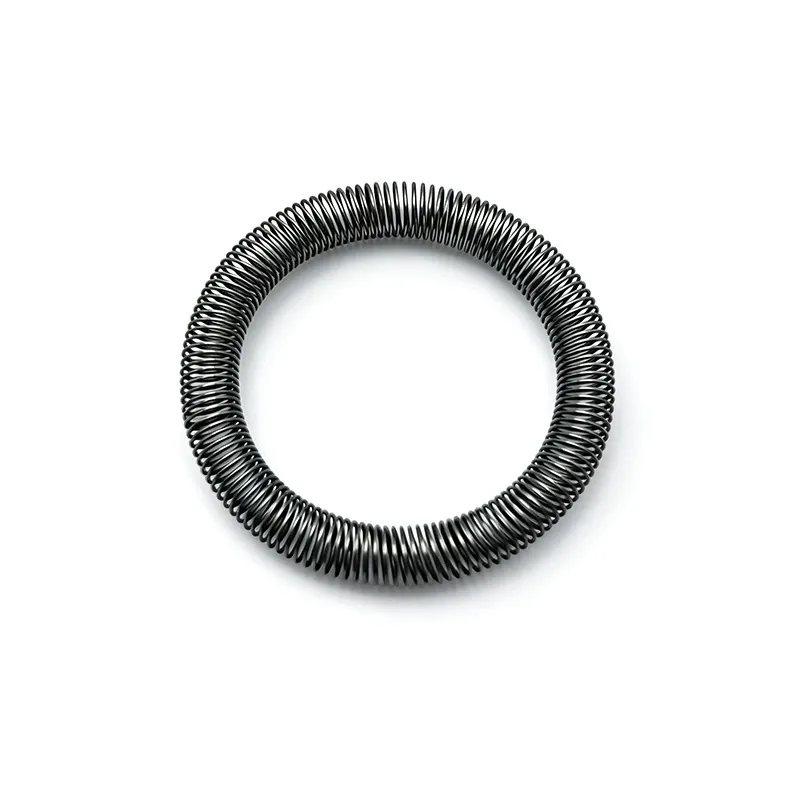
Garter & Canted Coil Springs
A continuous ring of canted coils used where a compact circular interface needs repeatable radial or axial spring force, electrical contact, latching or sealing support.
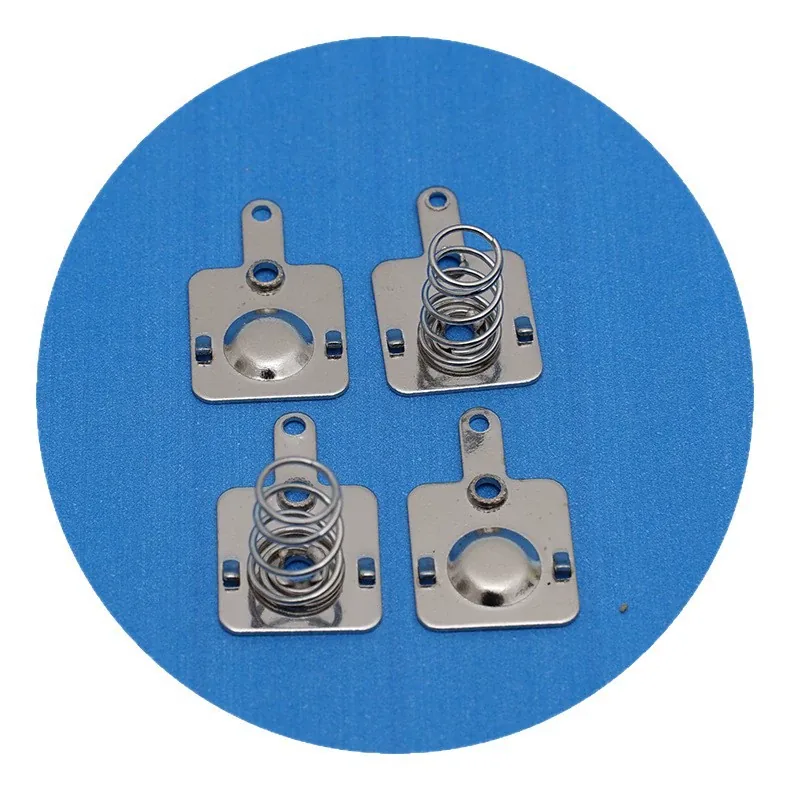
Flat Springs & Stampings
Custom conductive spring contacts for batteries, grounding points and electrical interfaces where the part must maintain contact pressure while carrying current or bonding surfaces.
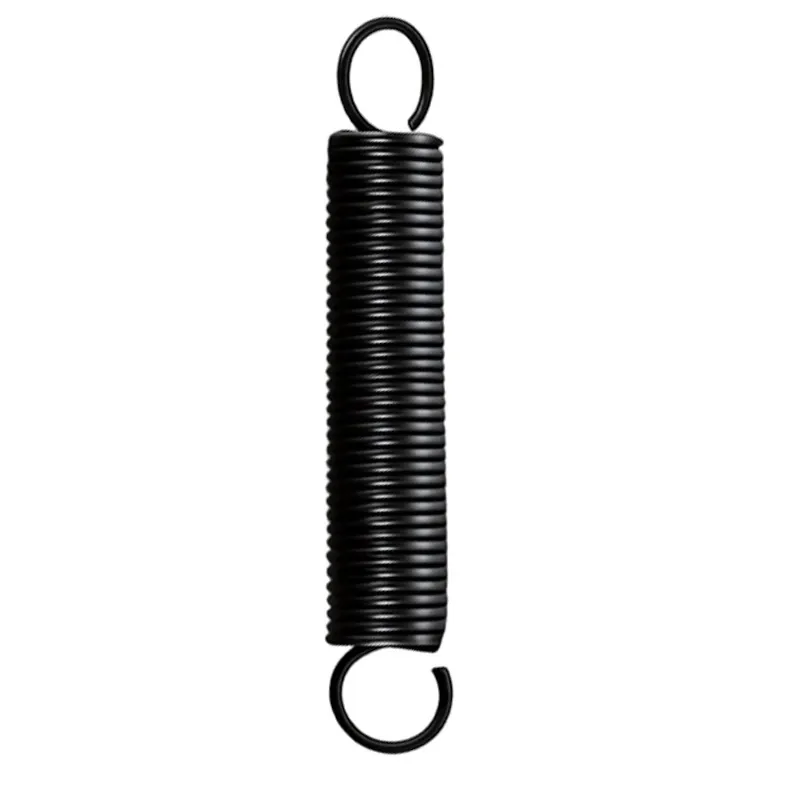
Flat Springs & Stampings
Flat-strip spring elements that flex from a fixed region to provide contact force, retention or return in thin assemblies where round-wire coils would take too much space.
Product Questions
No. Shielding also depends on contact spacing, surface condition, enclosure design and electrical continuity across the whole seam.
Plating can improve conductivity and corrosion behavior at the contact surface, but it must be compatible with the base material and mating metal.
RFQ
A drawing is ideal. If you do not have one yet, provide the dimensions, load or torque, travel, environment and expected quantity that matter in the assembly.
CustomSprings Engineering Catalog
Send your dimensions, quantity and drawing for engineering review.