
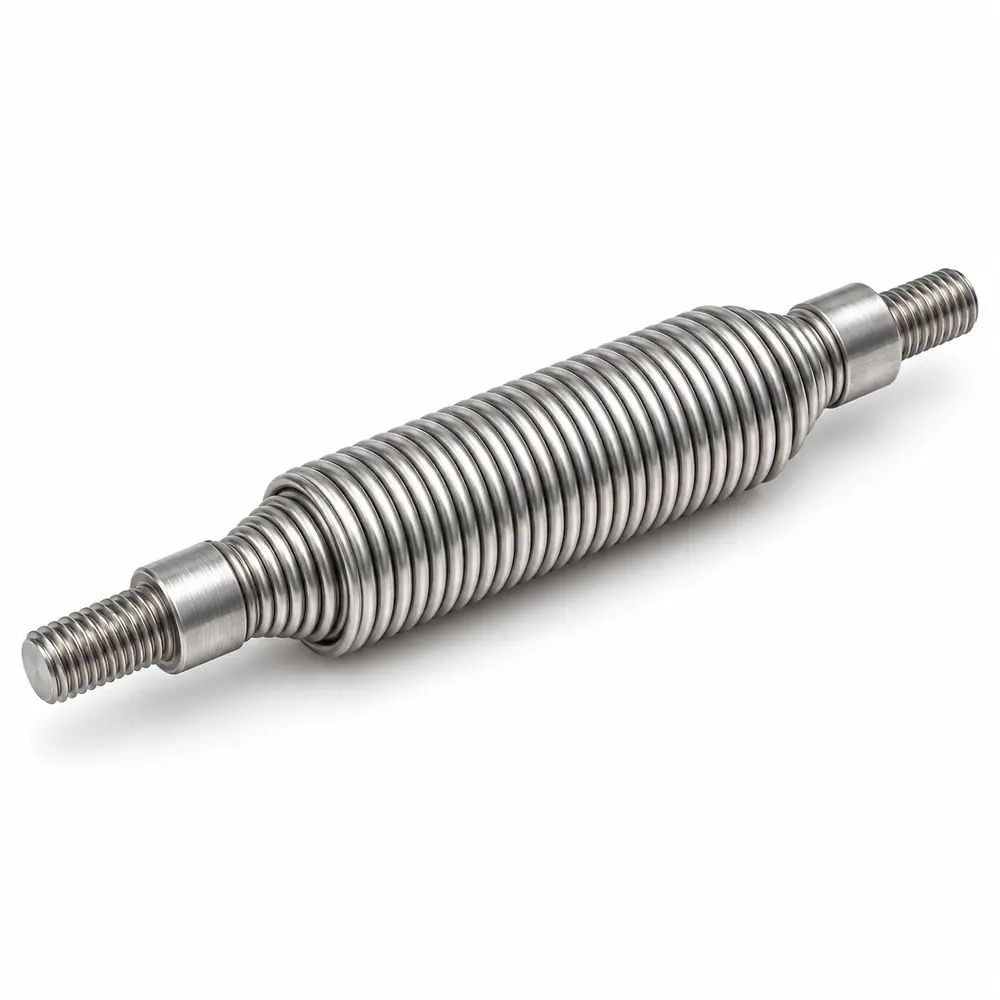
Where it earns its place
Best-Fit Uses
Custom return or preload
Provides spring force in an assembly designed around this spring style.
Drawing-specific fit
Matches a product envelope that needs a purpose-built spring solution.
Pulling a moving part back toward its rest position
Works where two anchor points move apart during use and the spring should draw them back together.
Keeping tension on a latch or linkage
Maintains a pull across a moving connection while allowing the mechanism to travel.
Why this style works here
What This Spring Style Solves
The best choice comes from the job the spring must perform rather than from a catalog name alone. Working positions, load and the surrounding parts should be reviewed together.
Before you choose it
What to Confirm in Your Assembly
- Provide the assembly drawing and all working positions.
- State the required force or torque and expected cycle life.
- Show both anchor points and how far apart they are in the resting and maximum working positions.
- Define the hook or end-form orientation so the spring is not twisted during assembly.
- State whether the spring must already be under tension when installed.
Avoid forcing the wrong spring into the design
When Another Spring Style May Fit Better
Use the simplest spring style that meets the load, travel and packaging need. A more specialized geometry should solve a clear application problem.
- Browse the spring catalog for other geometries
- Review the application with your assembly drawing
Keep material selection separate
Environment & Material Direction
Material and coating choices should follow the exposure, but hook fit and line of pull should be settled first. Use the Materials section for corrosion, temperature and alloy comparisons.
Move from the use case to the specification
Where to Go Next
Related Spring Design Guides
Review the dimensions, working loads and drawing requirements for this spring family.
Application questions
Frequently Asked Questions
How do I confirm this spring style is the right fit?
Compare the required movement, load, available space, attachment points and working environment. A drawing review is the best way to confirm whether another spring style would package the job more simply.
Why do extension springs often fail at the ends?
The hook or loop transition can carry higher local stress than the body, especially when it is forced sideways, opened during installation or pulled around an oversized pin. The attachment detail needs as much attention as the coil body.
What should I send for an application review?
Send the assembly drawing or a clear sketch, the working positions, the force or torque you need, expected cycles, environment and quantity. If an existing spring is being replaced, include its dimensions and explain what is not working well in the current design.
Same application family