
Applications
Where this spring style fits
Review best-fit uses, assembly constraints and situations where another spring style may be a better choice.
View application guidance →Extension Springs
Extension spring enquiries with reduced end coils or threaded attachment features, defined by the specific connection detail.
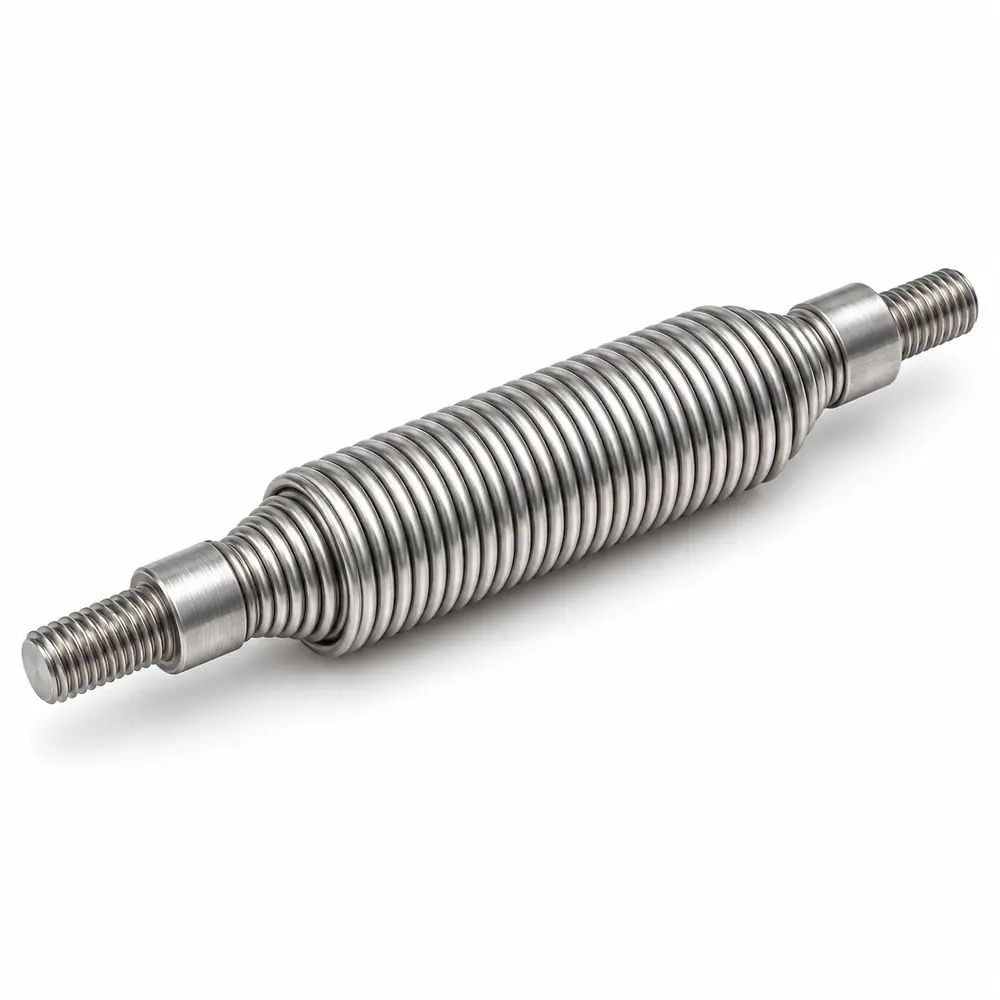
Reduced-end and threaded-end extension springs are grouped here as connection-focused designs, but the two terms describe different features. Reduced coils alter the end geometry; a threaded connection adds a defined mating interface, often involving a separate fitting. Specify which construction is intended. An assembly or section drawing is needed to establish engagement, alignment and the load path into the coil.
A reduced end is not automatically a threaded end. Compare a conventional hook if a simple pin connection is suitable, or a hookless assembly when the end is captured in another way.
Clarify whether fittings are included in supply and how the final assembly is inspected. Define thread gauging or connection dimensions as applicable, plus load testing using the actual functional length references.
Product Specification
Use these product-specific inputs to describe your requirement. Final dimensions, material and performance are confirmed against the drawing and operating conditions.
| Specification item | What to define |
|---|---|
| Connection type | Reduced-coil profile or fitting construction shown in section. |
| Mating interface | Thread designation, engagement length and attachment dimensions. |
| Coil body | Wire size, body diameter, body length and initial tension. |
| Load and length | Pull at specified installed lengths and extension limit. |
| End retention | Connection acceptance criteria, material and operating environment. |
Next Design Decisions
Once the spring style is selected, confirm how it works in the assembly, which material suits the environment, how it will be manufactured and which dimensions and performance points should be controlled on the drawing.
Applications
Review best-fit uses, assembly constraints and situations where another spring style may be a better choice.
View application guidance →Materials
Review wire and fitting materials together with forming, thread engagement and surface-treatment requirements.
Compare spring materials →Manufacturing
Review forming, heat treatment, secondary operations, inspection and the path from first samples to repeat production.
View manufacturing capabilities →Engineering Data
Use the engineering library to review materials, sizing considerations and applicable standards for the custom design.
Open Spring Engineering Guide →Material Direction
The links below are selection guides, not a claim that every grade is suitable for every size or load.
Review the design and measurement requirements for this spring family.
Compare Designs
Use these alternatives when the available space, connection style, travel or force direction changes.
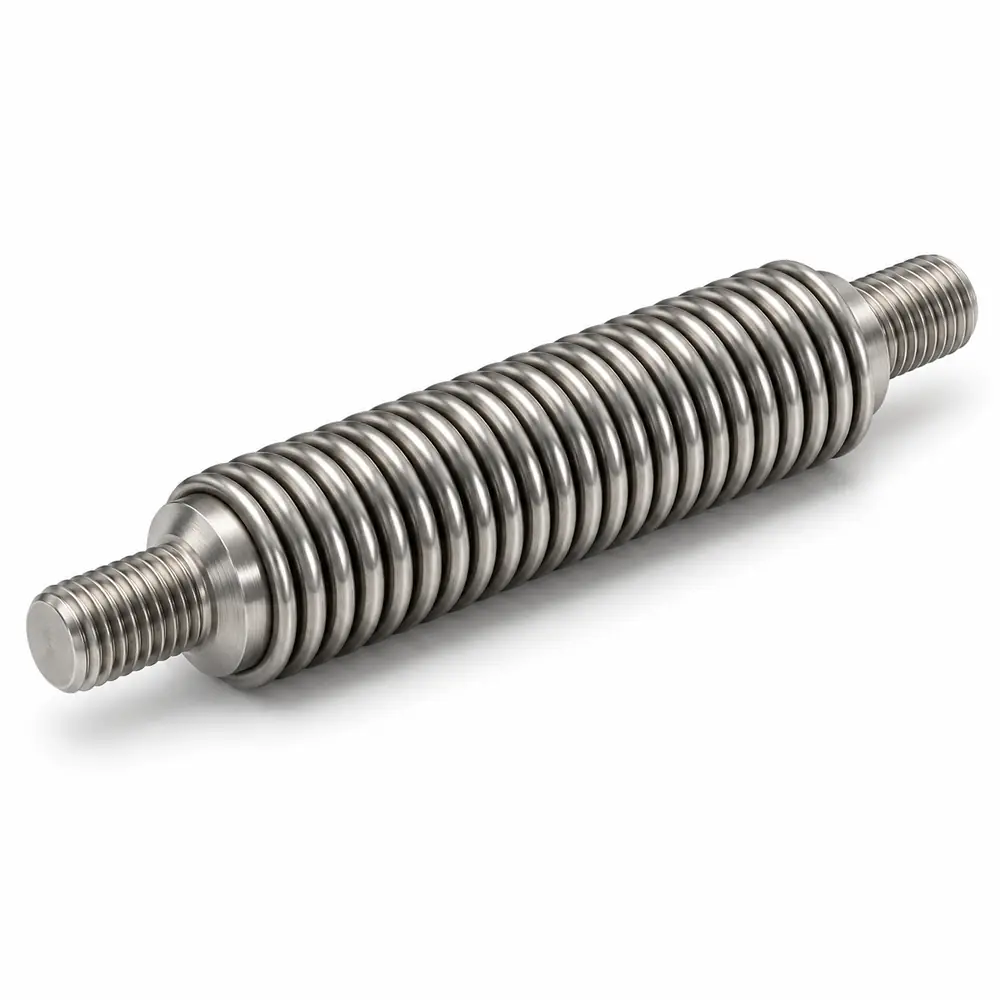
Extension Springs
Extension springs without conventional exposed hooks, specified around the actual end attachment and required tensile load.
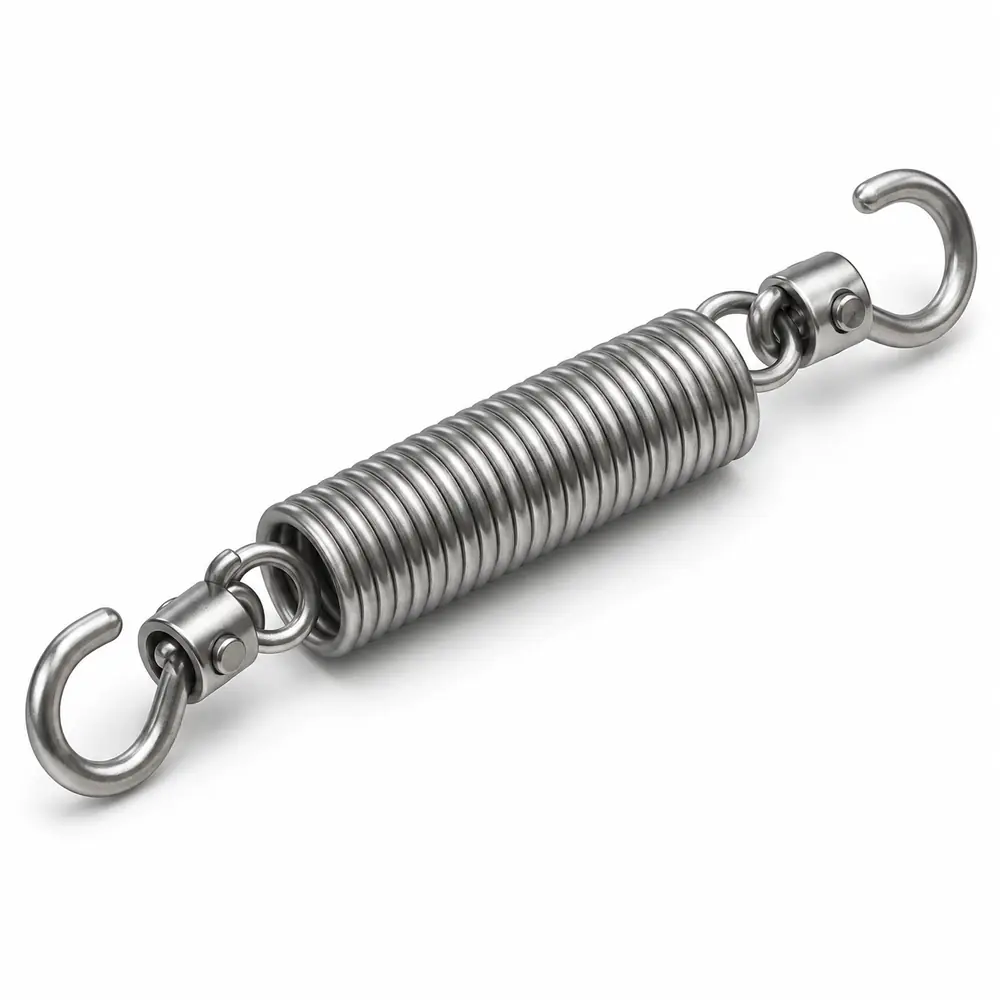
Extension Springs
Extension spring assemblies with movable attachment ends, defined by the fitting geometry, permitted rotation and working pull.
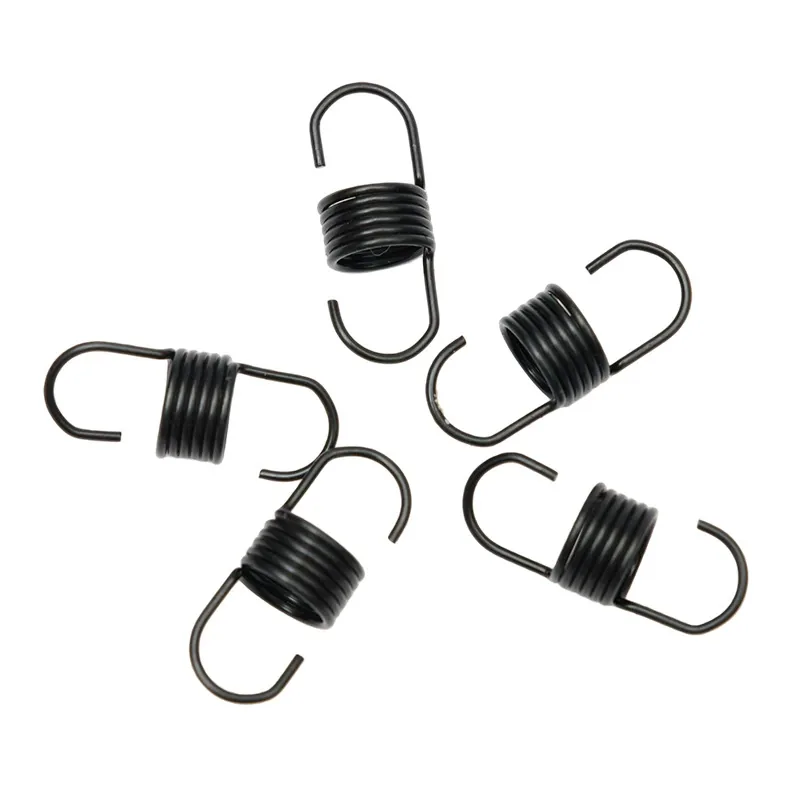
Extension Springs
Extension springs with side-positioned hooks, specified by the attachment geometry, hook orientation and pull at installed lengths.
Product Questions
Not by itself. Show the required fitting or thread detail and how it engages with the spring end.
Provide engagement length, the mating component, assembly access and the required load and retention conditions.
RFQ
A drawing is ideal. If you do not have one yet, provide the dimensions, load or torque, travel, environment and expected quantity that matter in the assembly.
CustomSprings Engineering Catalog
Send your dimensions, quantity and drawing for engineering review.