
Design reference
Engineered to the seal or connector groove dimension supplied by the customer
Garter & Canted Coil Springs
A circular extension or compression coil joined end-to-end for applying distributed radial force around seals, shafts, housings or other round interfaces.
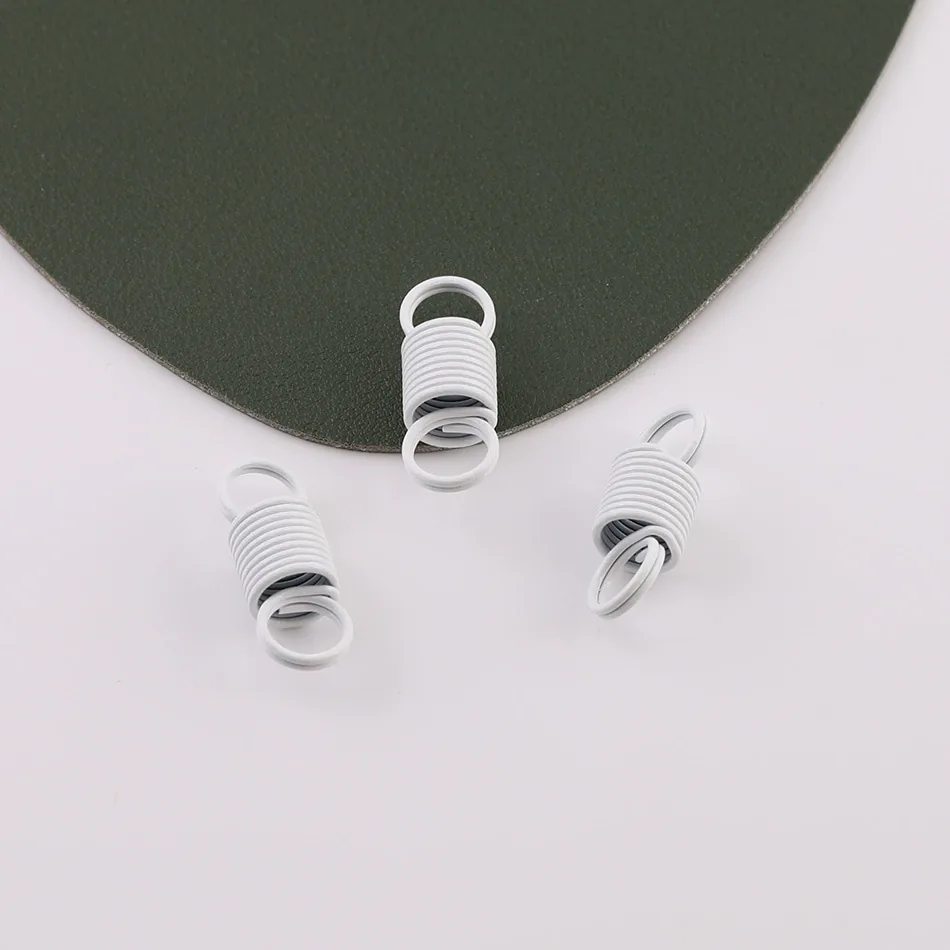
Garter springs turn a small helical coil into a continuous ring. Depending on configuration, the ring can contract around a shaft or expand against a bore. The join, installed diameter and radial force are central to the design, especially when the spring works inside a seal lip or other flexible component.
The joined ring should be checked for continuity, diameter and local connector profile. For sealing applications, the spring is best reviewed together with the groove or elastomer section that carries it.
Made to Order
This category is reviewed from the drawing and working requirement rather than from a fixed public stock list.
Engineered to the seal or connector groove dimension supplied by the customer
302/316 stainless, carbon spring steel
Garter springs are made to the exact ring diameter and radial load required by the seal design; there is no generic size table.
Next Design Decisions
Once the spring style is selected, confirm how it works in the assembly, which material suits the environment, how it will be manufactured and which dimensions and performance points should be controlled on the drawing.
Applications
Review best-fit uses, assembly constraints and situations where another spring style may be a better choice.
View application guidance →Materials
Stainless steel is widely considered for sealing and exposed environments; nickel-base alloys may be needed for higher temperature or aggressive chemicals. Material should be matched to the media around the ring.
Compare spring materials →Manufacturing
Review forming, heat treatment, secondary operations, inspection and the path from first samples to repeat production.
View manufacturing capabilities →Engineering Data
Use the engineering library to review materials, sizing considerations and applicable standards for the custom design.
Open Spring Engineering Guide →Material Direction
The links below are selection guides, not a claim that every grade is suitable for every size or load.
Compare Designs
Use these alternatives when the available space, connection style, travel or force direction changes.
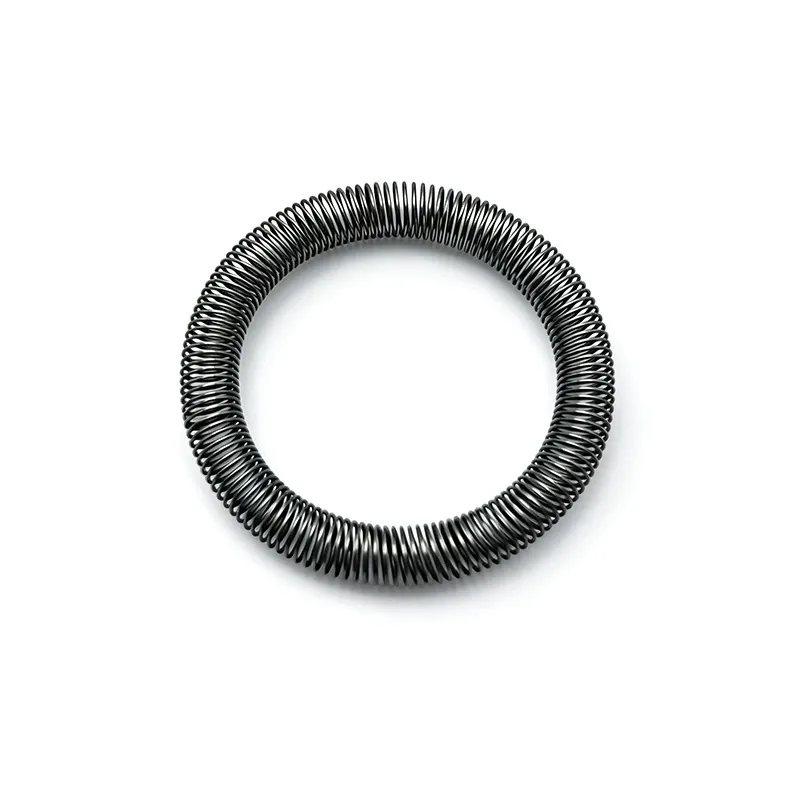
Garter & Canted Coil Springs
A continuous ring of canted coils used where a compact circular interface needs repeatable radial or axial spring force, electrical contact, latching or sealing support.
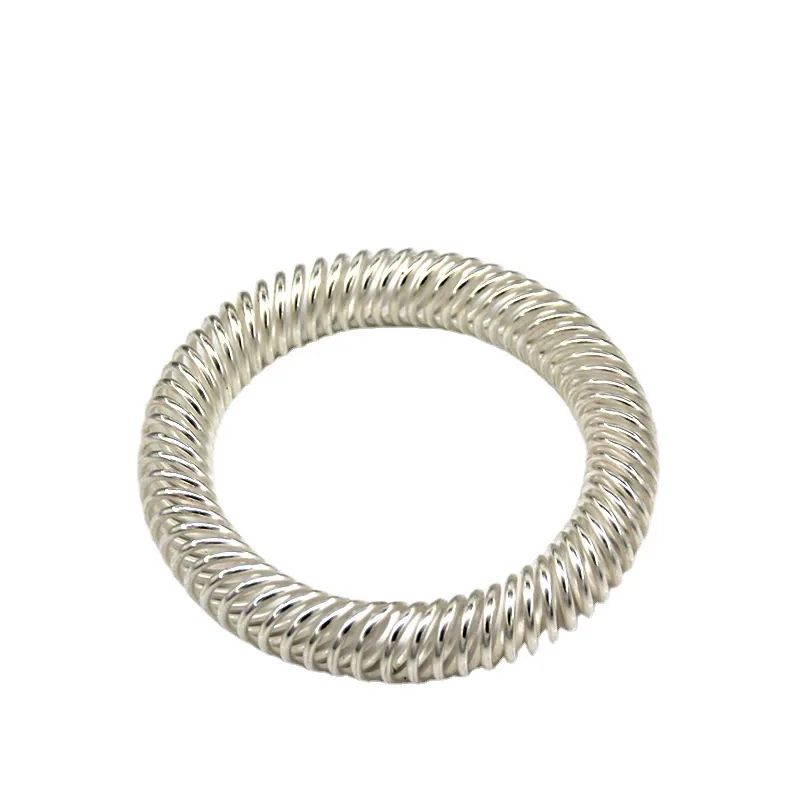
Garter & Canted Coil Springs
Conductive spring contacts for enclosure seams and interfaces where mechanical compliance must maintain electrical continuity for EMI shielding or grounding.
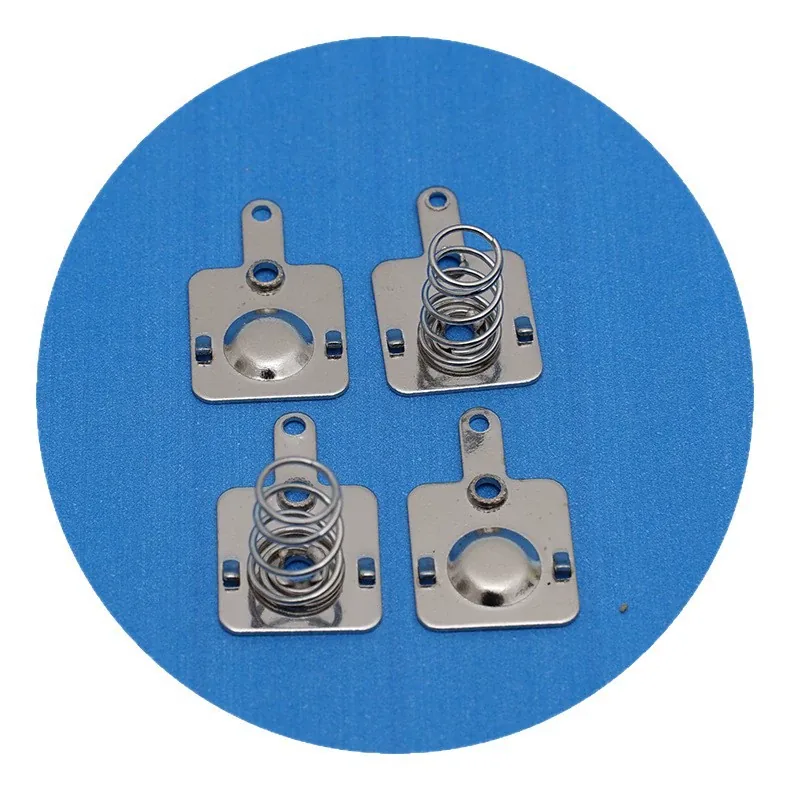
Flat Springs & Stampings
Custom conductive spring contacts for batteries, grounding points and electrical interfaces where the part must maintain contact pressure while carrying current or bonding surfaces.
Product Questions
An extension garter spring tends to contract around an inner member, while a compression garter spring can press outward against an enclosing surface.
The method depends on size and service. Connector hooks, screw-in joints or other end treatments can be used, but the joint should suit the surrounding seal or groove.
RFQ
A drawing is ideal. If you do not have one yet, provide the dimensions, load or torque, travel, environment and expected quantity that matter in the assembly.
CustomSprings Engineering Catalog
Send your dimensions, quantity and drawing for engineering review.