
Applications
Where this spring style fits
Review best-fit uses, assembly constraints and situations where another spring style may be a better choice.
View application guidance →Flat Springs & Stampings
Formed leaf contacts specified by their fixed support, mating contact surface and force at installed deflection.
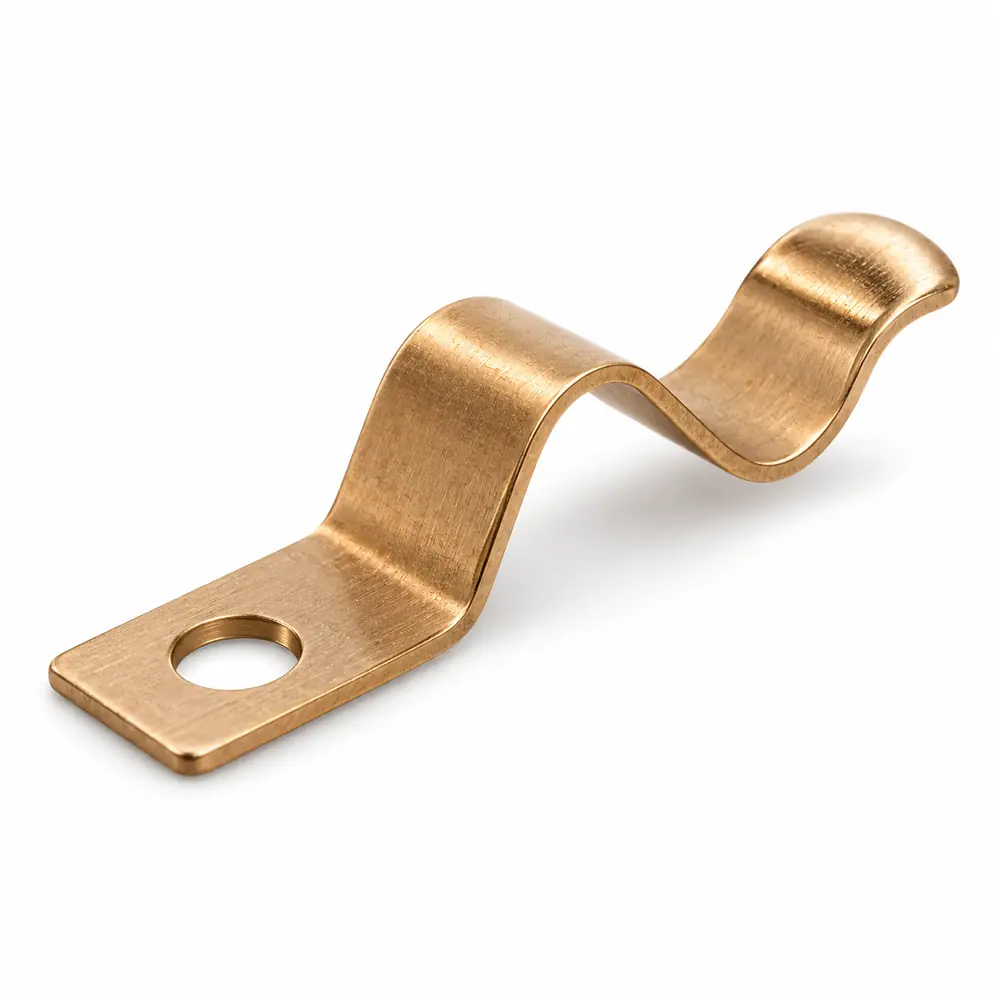
Contact leaf springs use a flexible strip or leaf to maintain an electrical contact interface. The fixed region, active length and contact point must be defined because the mounting arrangement is part of the spring function. Specify the mechanical force-deflection requirement alongside electrical criteria. A leaf contact does not acquire a current rating or corrosion performance simply from its appearance or nominal alloy.
Contact leaf springs focus on the electrical interface. A cantilever flat spring may provide mechanical return or retention without an electrical role. A battery contact needs the additional cell-terminal and holder specification.
Specify the fixture or actual mating assembly used to verify contact force. Identify the electrical test conditions, allowable surface changes and any required cycle testing for repeated contact movement.
Product Specification
Use these product-specific inputs to describe your requirement. Final dimensions, material and performance are confirmed against the drawing and operating conditions.
| Specification item | What to define |
|---|---|
| Leaf geometry | Thickness, width, active length, bends and contact features. |
| Mounting | Fixed region, fasteners and mating support dimensions. |
| Force and deflection | Required contact force at installed displacement. |
| Electrical duty | Current, contact resistance or continuity requirements. |
| Surface requirements | Material condition, plating, cleanliness and environment. |
Next Design Decisions
Once the spring style is selected, confirm how it works in the assembly, which material suits the environment, how it will be manufactured and which dimensions and performance points should be controlled on the drawing.
Applications
Review best-fit uses, assembly constraints and situations where another spring style may be a better choice.
View application guidance →Materials
Review mechanical properties and electrical requirements together with the specified contact finish and exposure conditions.
Compare spring materials →Manufacturing
Review forming, heat treatment, secondary operations, inspection and the path from first samples to repeat production.
View manufacturing capabilities →Engineering Data
Use the engineering library to review materials, sizing considerations and applicable standards for the custom design.
Open Spring Engineering Guide →Material Direction
The links below are selection guides, not a claim that every grade is suitable for every size or load.
Compare Designs
Use these alternatives when the available space, connection style, travel or force direction changes.
Flat Springs & Stampings
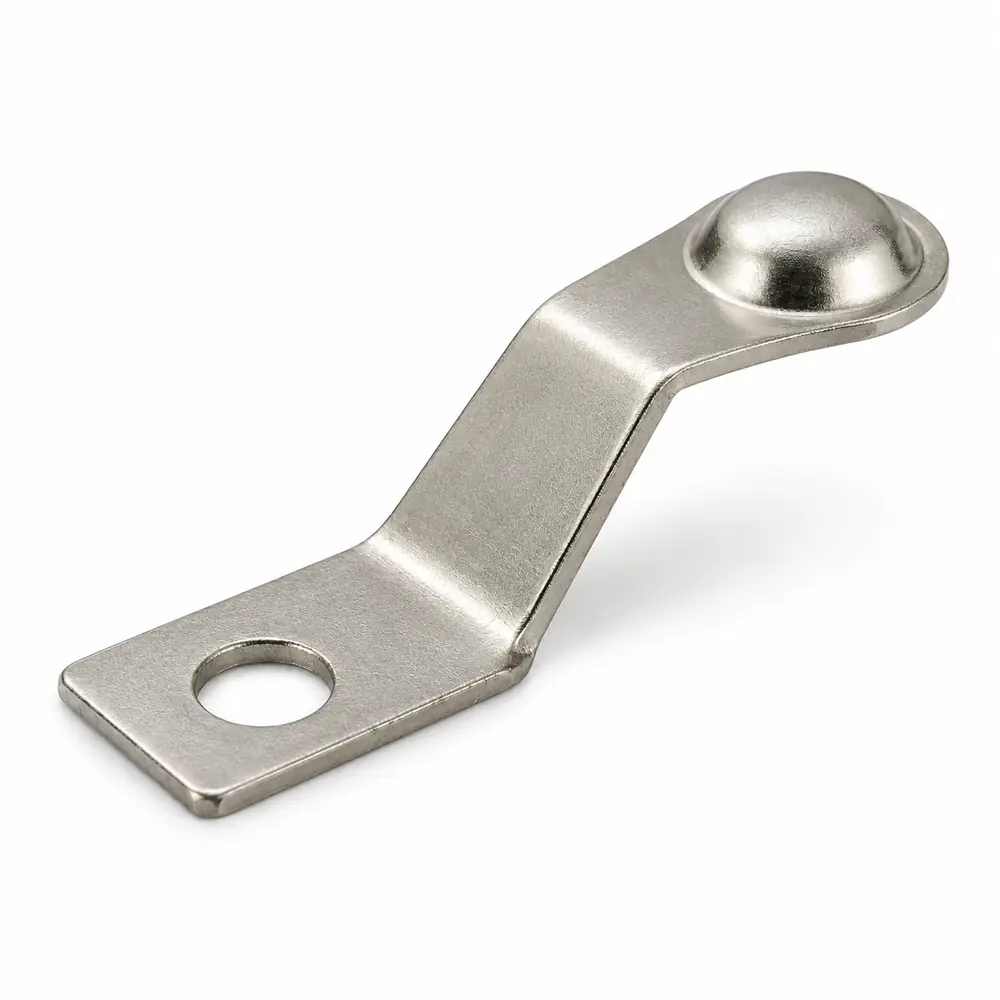
Flat battery contacts and grounding spring enquiries defined by the contact function, installation geometry and required contact force.
Flat Springs & Stampings
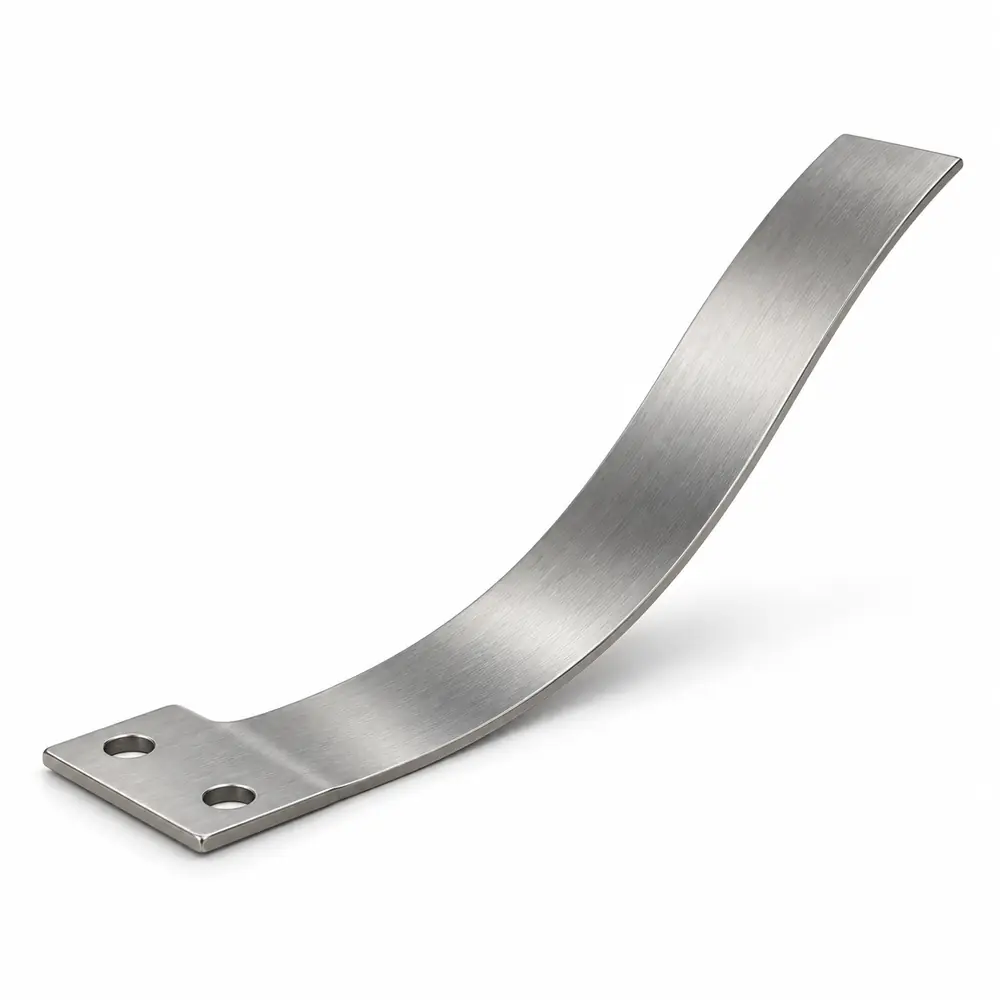
Flat spring elements fixed at one end, specified by active length, support details and force at the moving contact.

Flat Springs & Stampings
Formed strip springs and stamped parts specified by finished geometry, functional bends and any required elastic movement.
Product Questions
It identifies the active bending length and the actual mounting condition. The same loose leaf can behave differently when supported differently.
No. State the relevant electrical acceptance requirement as well as mechanical force and travel.
RFQ
A drawing is ideal. If you do not have one yet, provide the dimensions, load or torque, travel, environment and expected quantity that matter in the assembly.
CustomSprings Engineering Catalog
Send your dimensions, quantity and drawing for engineering review.