
Applications
Where this spring style fits
Review best-fit uses, assembly constraints and situations where another spring style may be a better choice.
View application guidance →Garter & Canted Coil Springs
Circular compression garter springs for outward radial loading, specified by free and installed ring geometry and the required force basis.
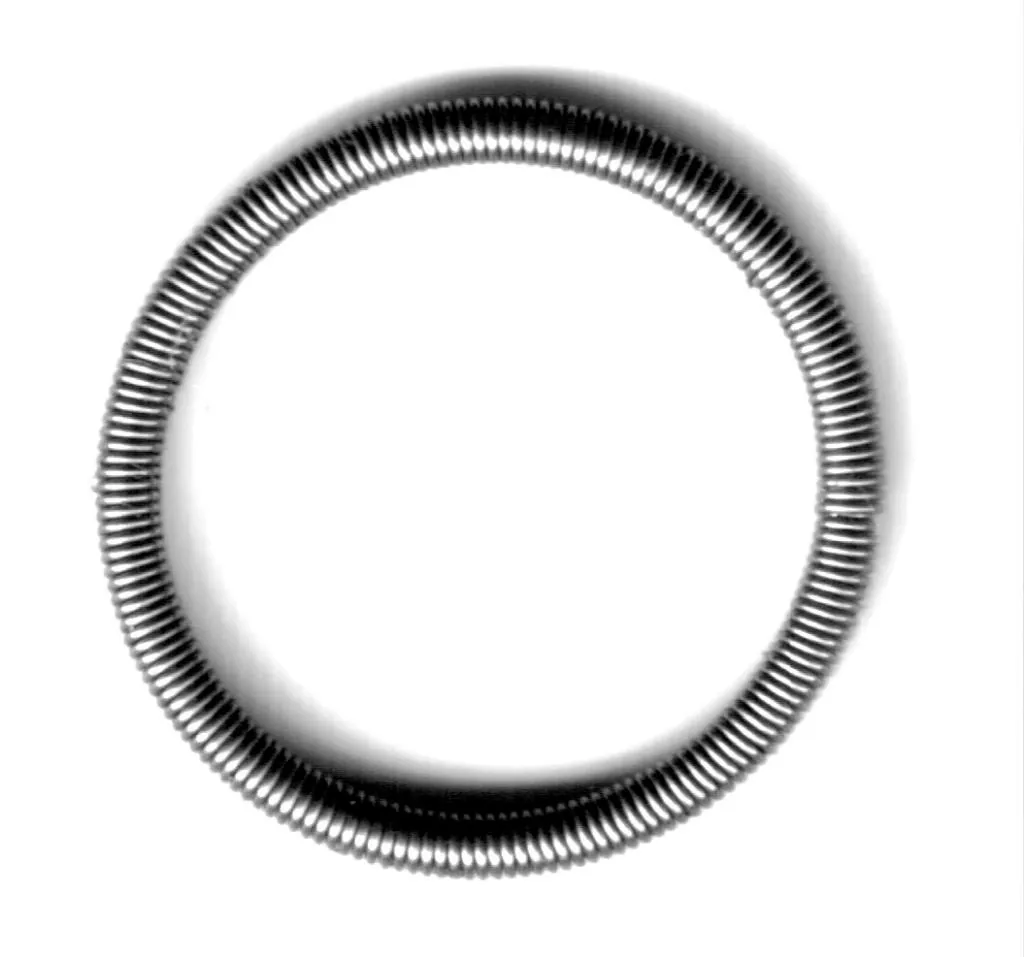
Compression garter springs connect a helical spring into a circular arrangement intended to exert outward radial force. This load direction differs from an extension garter spring that contracts inward. The enquiry should show the installed ring, the coil cross-section and the connection. A ring photograph does not by itself establish whether the design is intended for inward or outward loading.
An extension garter spring supplies inward radial action and is not a direct substitute. A Marcel expander can also provide outward radial loading, but uses a wave-formed construction with a different geometry checklist.
Define the installed-diameter fixture and how radial force is measured. Include connection retention, cavity fit and any restrictions on sliding or surface contact in the project acceptance requirements.
Product Specification
Use these product-specific inputs to describe your requirement. Final dimensions, material and performance are confirmed against the drawing and operating conditions.
| Specification item | What to define |
|---|---|
| Ring dimensions | Free and installed ring diameter with relevant tolerances. |
| Coil cross-section | Wire size, coil diameter, pitch and section envelope. |
| Connection | End joining method and any installation restriction. |
| Radial load | Required outward force, working movement and test basis. |
| Cavity and duty | Groove dimensions, contact medium, material and environment. |
Next Design Decisions
Once the spring style is selected, confirm how it works in the assembly, which material suits the environment, how it will be manufactured and which dimensions and performance points should be controlled on the drawing.
Applications
Review best-fit uses, assembly constraints and situations where another spring style may be a better choice.
View application guidance →Materials
Select material and finish for the contact environment and movement, with the joining detail included in the review.
Compare spring materials →Manufacturing
Review forming, heat treatment, secondary operations, inspection and the path from first samples to repeat production.
View manufacturing capabilities →Engineering Data
Use the engineering library to review materials, sizing considerations and applicable standards for the custom design.
Open Spring Engineering Guide →Material Direction
The links below are selection guides, not a claim that every grade is suitable for every size or load.
Compare Designs
Use these alternatives when the available space, connection style, travel or force direction changes.
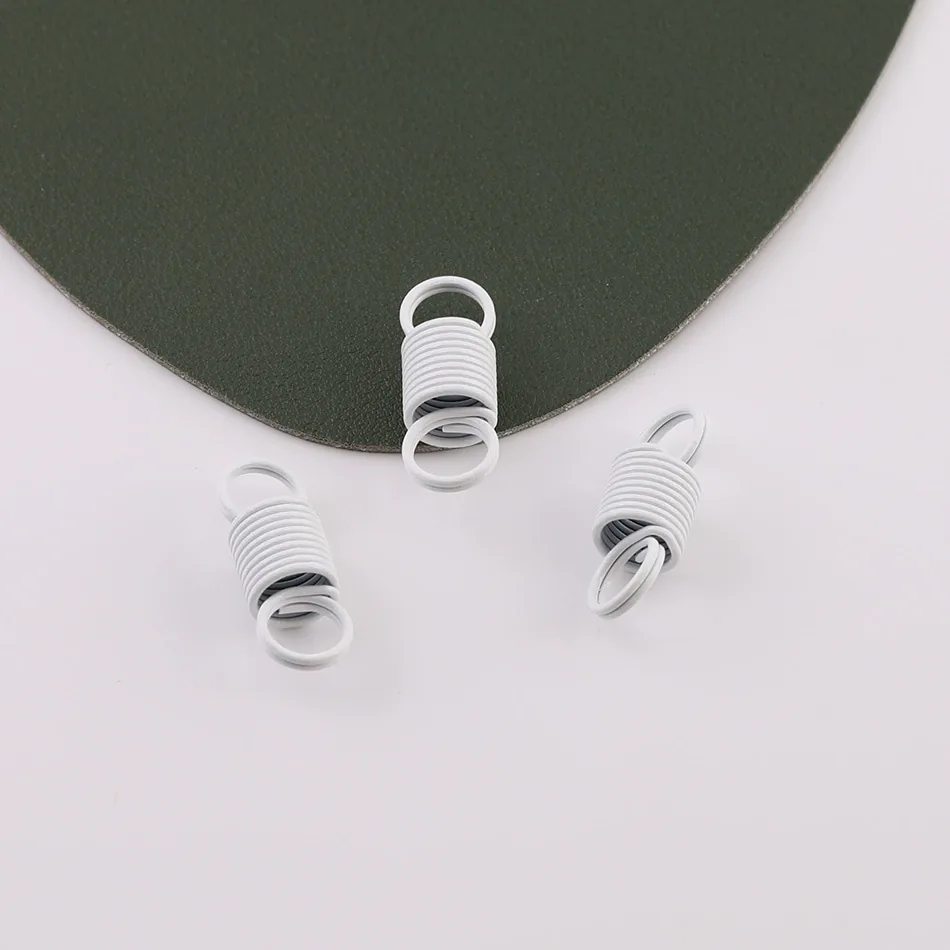
Garter & Canted Coil Springs
A circular extension or compression coil joined end-to-end for applying distributed radial force around seals, shafts, housings or other round interfaces.
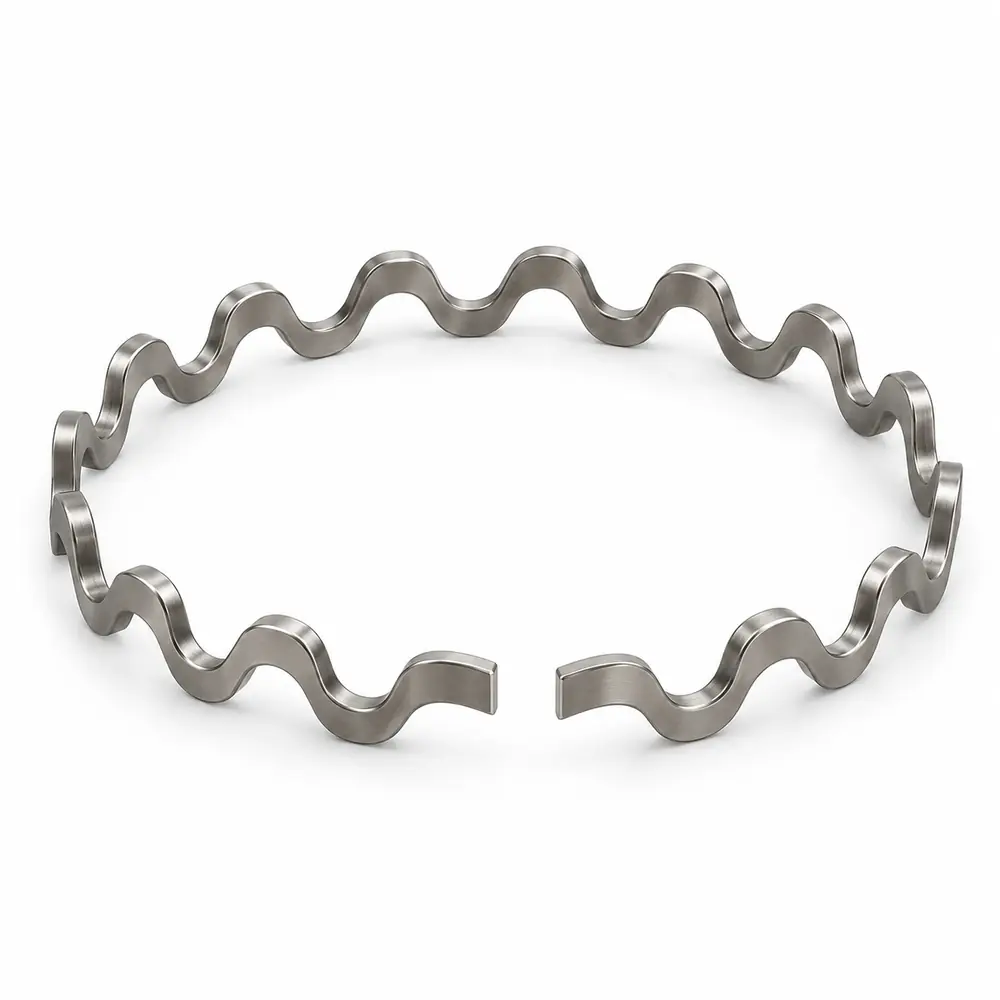
Wave Springs
Circular wave-formed expanders for radial loading, specified by installed diameter, cavity geometry and the required outward force.
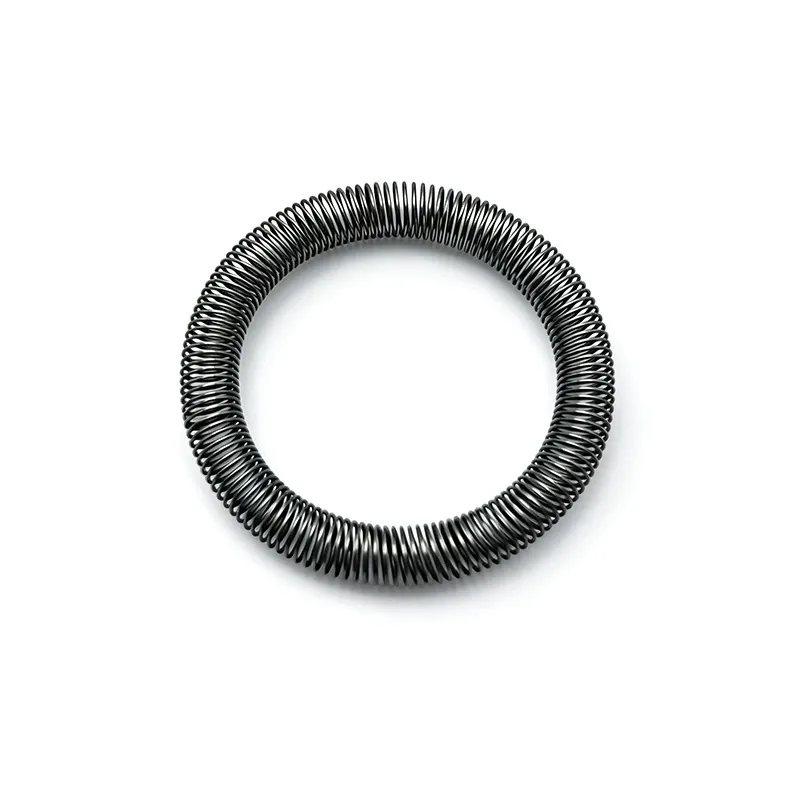
Garter & Canted Coil Springs
A continuous ring of canted coils used where a compact circular interface needs repeatable radial or axial spring force, electrical contact, latching or sealing support.
Product Questions
The compression-garter design described here provides outward radial action; an extension garter normally contracts inward.
Give both the overall ring diameter and the individual coil cross-section. Include free and installed conditions so the circular assembly is fully defined.
RFQ
A drawing is ideal. If you do not have one yet, provide the dimensions, load or torque, travel, environment and expected quantity that matter in the assembly.
CustomSprings Engineering Catalog
Send your dimensions, quantity and drawing for engineering review.