
Applications
Where this spring style fits
Review best-fit uses, assembly constraints and situations where another spring style may be a better choice.
View application guidance →Wire Forms
Wire locking and release forms specified by the engagement geometry, actuation movement and required retention.
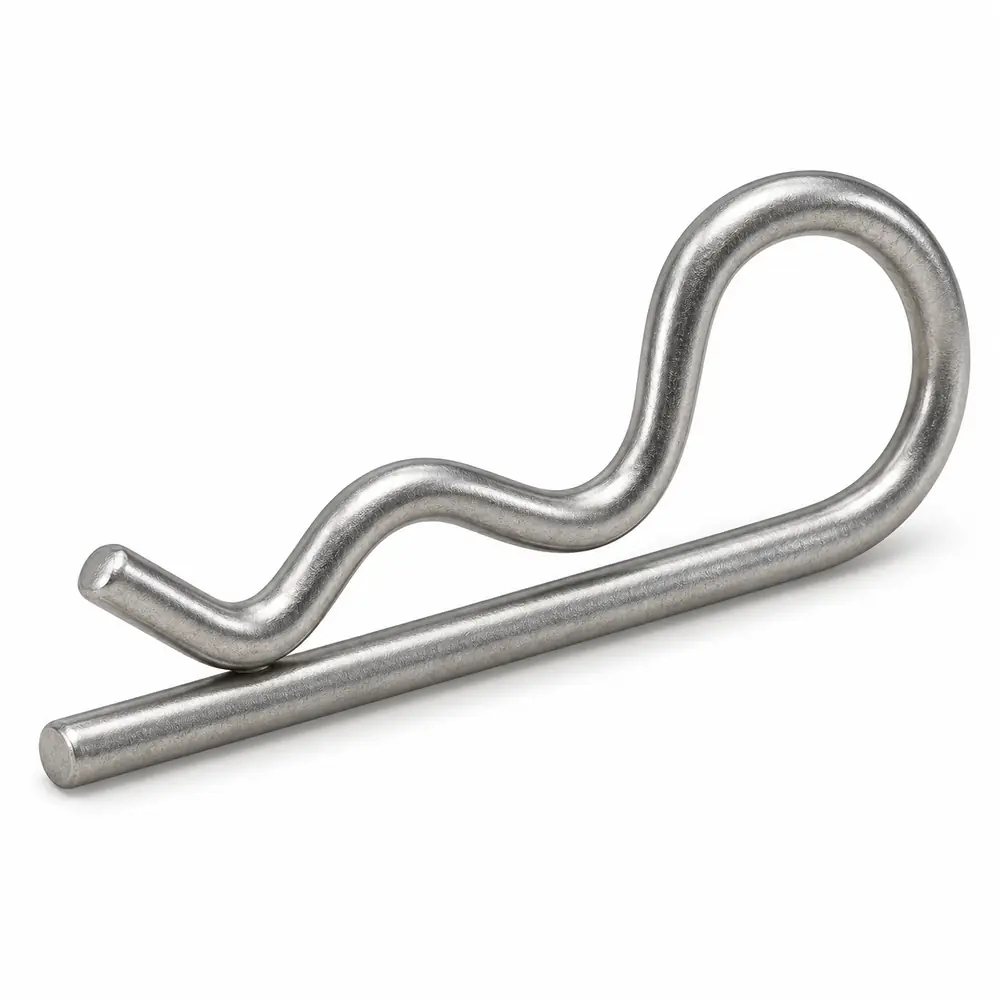
Quick-release locking wire forms use shaped wire features to engage and disengage a mating part. The release method and the locked state must both be shown; quick-release is a function description, not one fixed wire shape. Define which contact provides retention, which part flexes and how the operator actuates it. The wire form and mating feature need to be reviewed as a complete interface.
A permanently retained wire form needs a different removal specification from a reusable release mechanism. Compare a spring clip when a formed strip interface is more suitable, or a retaining ring when a circular groove provides the lock.
Define functional checks using the actual mating feature or an agreed gauge. State what counts as full engagement, unacceptable unintended release and permanent deformation after the required reuse cycle.
Product Specification
Use these product-specific inputs to describe your requirement. Final dimensions, material and performance are confirmed against the drawing and operating conditions.
| Specification item | What to define |
|---|---|
| Wire and form | Wire section, bends, radii and three-dimensional envelope. |
| Lock interface | Pin, groove, tab or captured-part dimensions. |
| Actuation path | Release direction, movement and operator access. |
| Functional force | Retention and actuation targets with test directions. |
| Reuse and exposure | Cycle requirement, material, finish and environment. |
Next Design Decisions
Once the spring style is selected, confirm how it works in the assembly, which material suits the environment, how it will be manufactured and which dimensions and performance points should be controlled on the drawing.
Applications
Review best-fit uses, assembly constraints and situations where another spring style may be a better choice.
View application guidance →Materials
Review spring wire and finish with the locking bends, wear contacts and intended release movement.
Compare spring materials →Manufacturing
Review forming, heat treatment, secondary operations, inspection and the path from first samples to repeat production.
View manufacturing capabilities →Engineering Data
Use the engineering library to review materials, sizing considerations and applicable standards for the custom design.
Open Spring Engineering Guide →Material Direction
The links below are selection guides, not a claim that every grade is suitable for every size or load.
Compare Designs
Use these alternatives when the available space, connection style, travel or force direction changes.
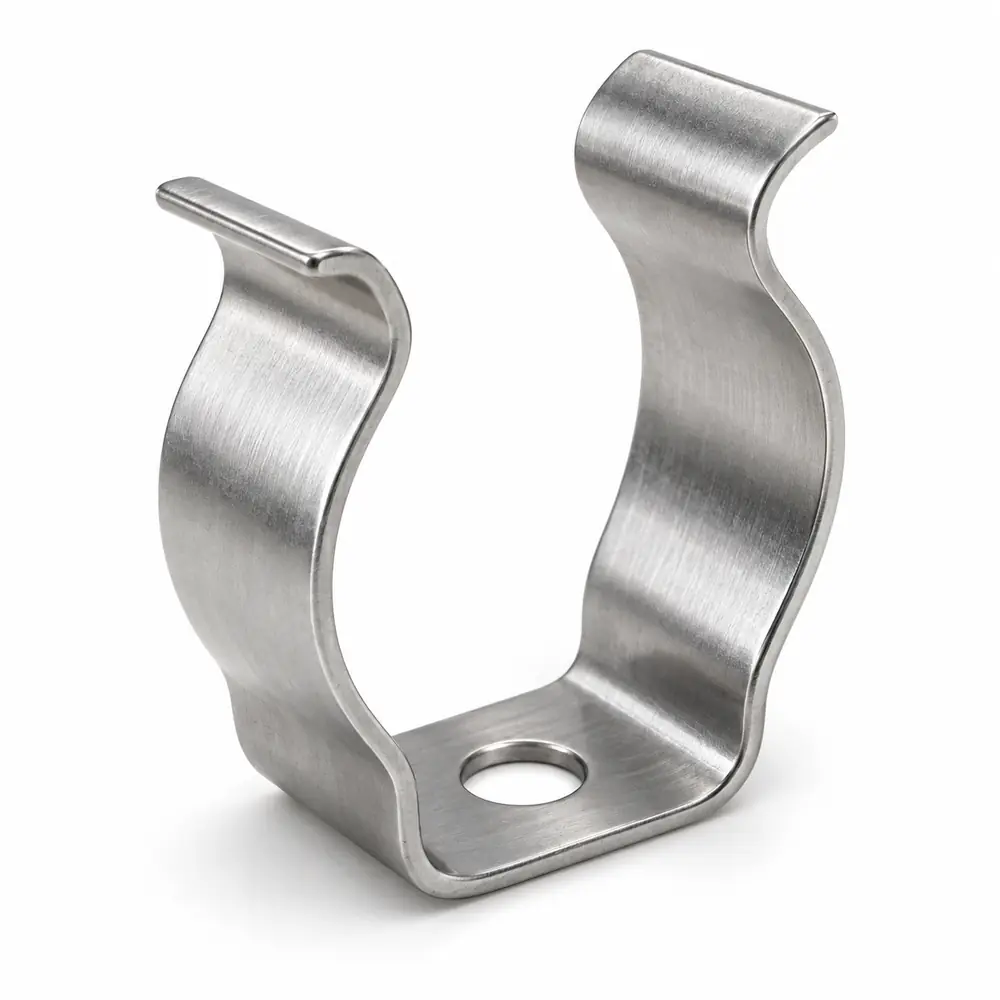
Flat Springs & Stampings
Spring clip enquiries defined by the mating part, insertion movement, retention requirement and release method.
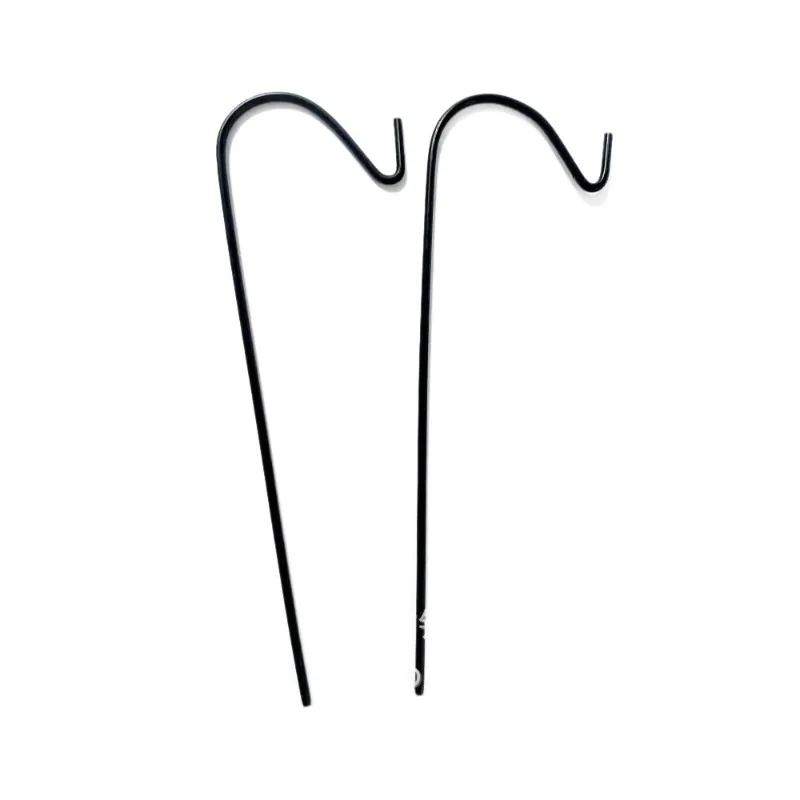
Wire Forms
Custom 2D and 3D wire parts formed to a drawing when the component needs to locate, retain, connect, guide or support another part rather than behave like a conventional coil spring.
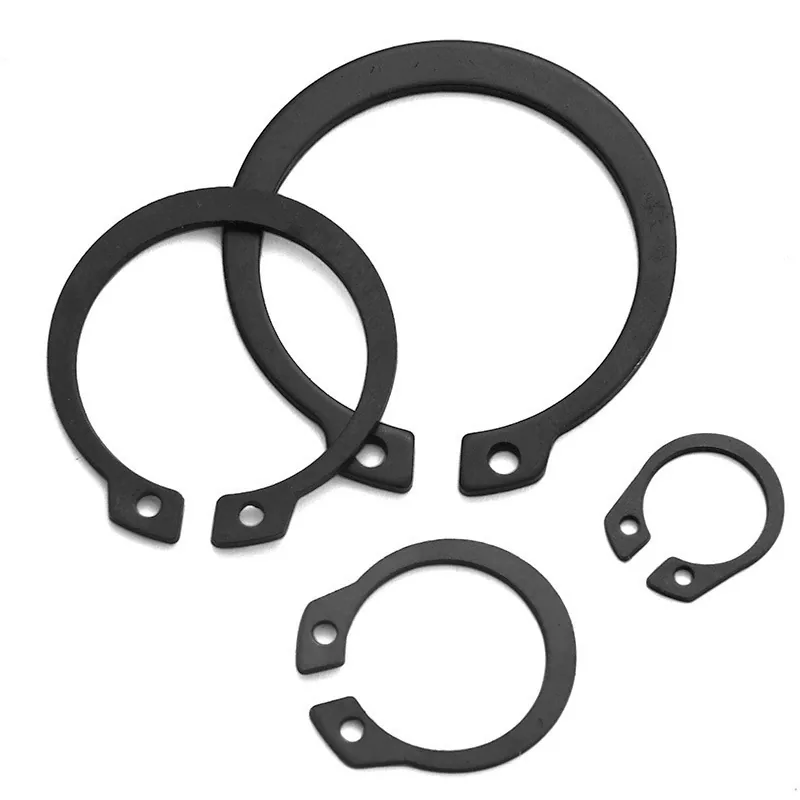
Wire Forms
Custom wire retaining and snap-ring forms for grooves, shafts and bores where the ring must install reliably, recover elastically and hold a component in position.
Product Questions
The mating geometry and load direction are needed to define a reproducible retention requirement. Include them in the drawing or test fixture.
No. Holding force and actuation force describe different functions. State both requirements where they matter to the mechanism.
RFQ
A drawing is ideal. If you do not have one yet, provide the dimensions, load or torque, travel, environment and expected quantity that matter in the assembly.
CustomSprings Engineering Catalog
Send your dimensions, quantity and drawing for engineering review.