
Design reference
DIN 471 (external/shaft) and DIN 472 (internal/bore) are real published standards; a partial dimension check was done in this pass, full table not yet loaded into this catalog
Wire Forms
Custom wire retaining and snap-ring forms for grooves, shafts and bores where the ring must install reliably, recover elastically and hold a component in position.
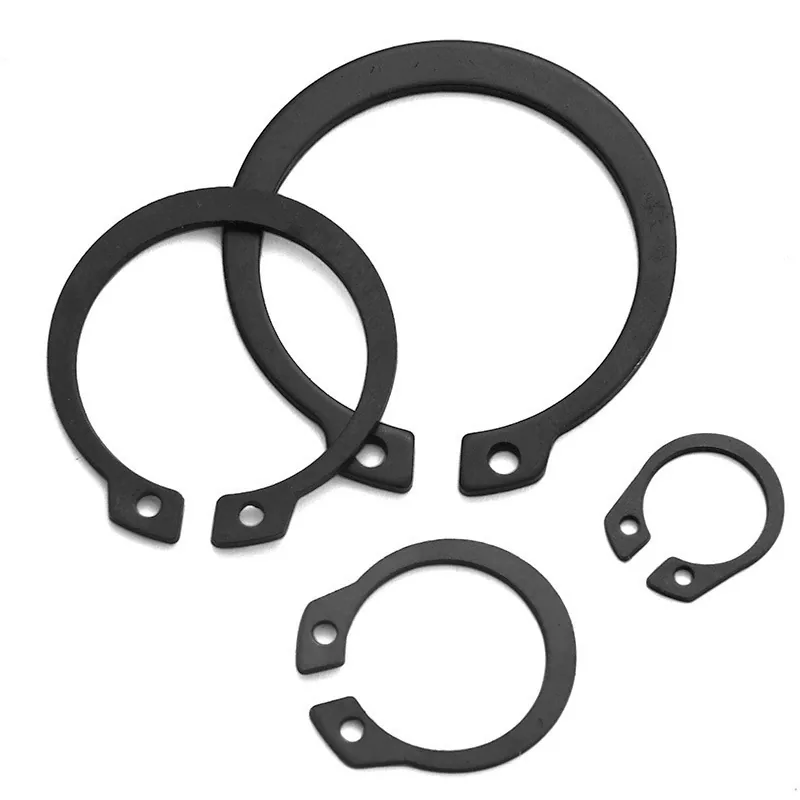
Retaining rings and snap rings work through controlled radial or axial deflection during installation. Groove geometry, ring gap, cross-section and installation method all affect retention. For custom wire forms, the mating groove should be treated as part of the design rather than specified separately.
Inspection should include free diameter, gap and the critical features that seat in the groove. Where retention load is important, the ring should be evaluated with the actual groove geometry rather than only as a free part.
Made to Order
This category is reviewed from the drawing and working requirement rather than from a fixed public stock list.
DIN 471 (external/shaft) and DIN 472 (internal/bore) are real published standards; a partial dimension check was done in this pass, full table not yet loaded into this catalog
Spring steel (phosphate/oil finish), 1.4122 martensitic or 301/316 stainless
Confirm exact groove and ring dimension against DIN 471/472 tables or your shaft/bore drawing at quotation.
Next Design Decisions
Once the spring style is selected, confirm how it works in the assembly, which material suits the environment, how it will be manufactured and which dimensions and performance points should be controlled on the drawing.
Applications
Review best-fit uses, assembly constraints and situations where another spring style may be a better choice.
View application guidance →Materials
Carbon spring steel provides high strength for many dry applications; stainless steel is commonly considered where the ring is exposed to moisture, cleaning or outdoor service.
Compare spring materials →Manufacturing
Review forming, heat treatment, secondary operations, inspection and the path from first samples to repeat production.
View manufacturing capabilities →Engineering Data
Use the engineering library to review materials, sizing considerations and applicable standards for the custom design.
Open Spring Engineering Guide →Material Direction
The links below are selection guides, not a claim that every grade is suitable for every size or load.
Compare Designs
Use these alternatives when the available space, connection style, travel or force direction changes.
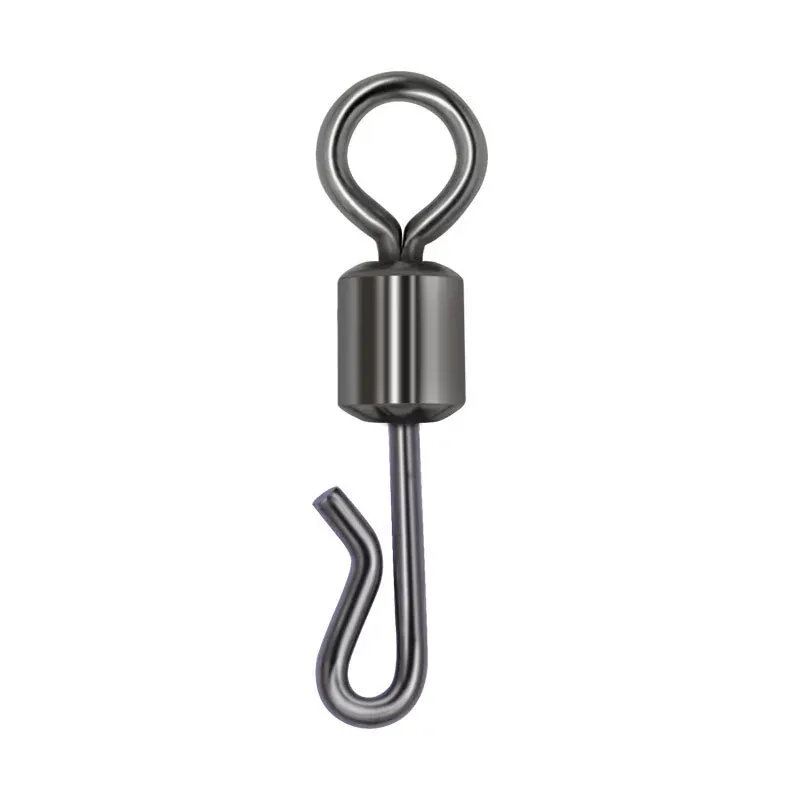
Wire Forms
Made-to-drawing wire clips, hooks and rings used to retain, hang, connect or locate parts where a standard spring geometry is not required.
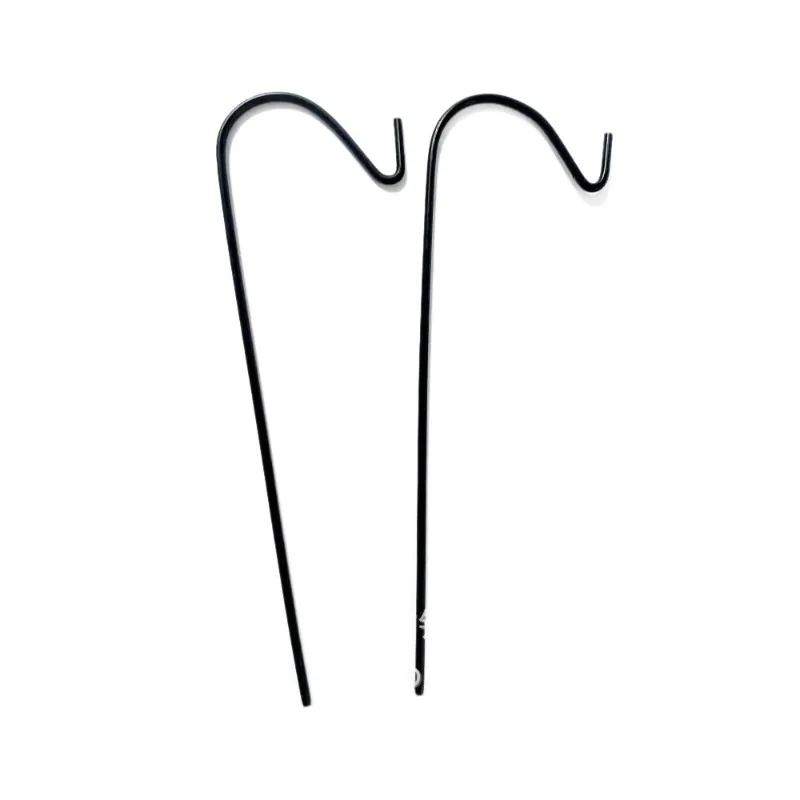
Wire Forms
Custom 2D and 3D wire parts formed to a drawing when the component needs to locate, retain, connect, guide or support another part rather than behave like a conventional coil spring.
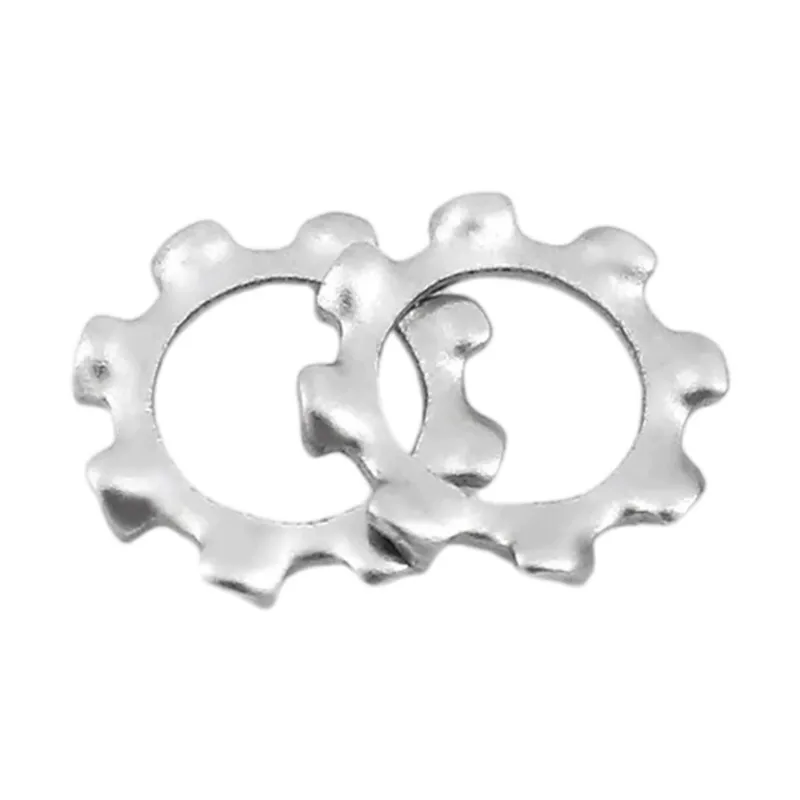
Spring Washers
Spring-style lock washers with split or serrated features for applications that use local spring action and surface engagement beneath a fastener.
Product Questions
The groove width, groove depth, shaft or bore size, edge condition and installation method are all important to how the ring seats and holds.
Yes for evaluation, but groove dimensions and required retention should also be supplied so the replacement is matched to the assembly, not just the sample shape.
RFQ
A drawing is ideal. If you do not have one yet, provide the dimensions, load or torque, travel, environment and expected quantity that matter in the assembly.
CustomSprings Engineering Catalog
Send your dimensions, quantity and drawing for engineering review.