
Design reference
DIN 127 (split lock) / DIN 6798 (serrated) style design practice
Spring Washers
Spring-style lock washers with split or serrated features for applications that use local spring action and surface engagement beneath a fastener.
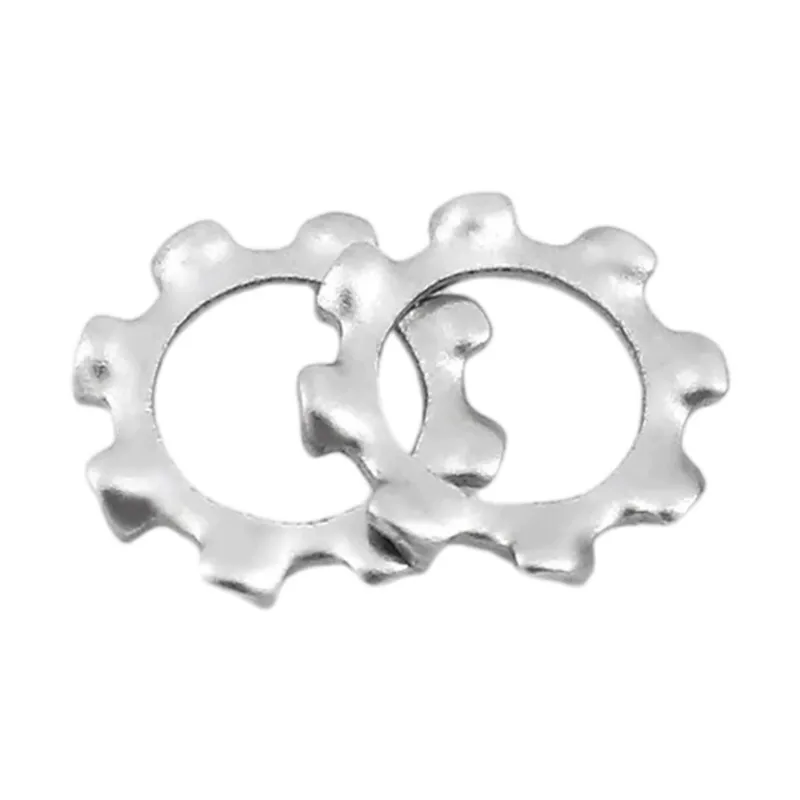
Split and serrated lock washers are familiar fastening components, but their effectiveness depends heavily on joint design, surface hardness, preload and vibration conditions. For custom manufacturing, dimensions and tooth or split geometry should be specified clearly, while critical anti-loosening performance should be validated at the joint level rather than assumed from the washer alone.
Stamping and forming should control burrs, tooth direction and free height. If the washer is plated, coating buildup on serrations and the risk of hydrogen embrittlement for hardened carbon steel should be considered with the finish supplier.
Made to Order
This category is reviewed from the drawing and working requirement rather than from a fixed public stock list.
DIN 127 (split lock) / DIN 6798 (serrated) style design practice
Carbon spring steel, 301/304 stainless
A full cross-brand public dimension table was not verified in this pass; treat listed range as typical, confirm exact size at quotation.
Next Design Decisions
Once the spring style is selected, confirm how it works in the assembly, which material suits the environment, how it will be manufactured and which dimensions and performance points should be controlled on the drawing.
Applications
Review best-fit uses, assembly constraints and situations where another spring style may be a better choice.
View application guidance →Materials
Hardened carbon spring steel is common for strength; stainless versions are used where corrosion is more important. Finish selection should account for the base material and any embrittlement or conductivity concerns.
Compare spring materials →Manufacturing
Review forming, heat treatment, secondary operations, inspection and the path from first samples to repeat production.
View manufacturing capabilities →Engineering Data
Use the engineering library to review materials, sizing considerations and applicable standards for the custom design.
Open Spring Engineering Guide →Material Direction
The links below are selection guides, not a claim that every grade is suitable for every size or load.
Compare Designs
Use these alternatives when the available space, connection style, travel or force direction changes.
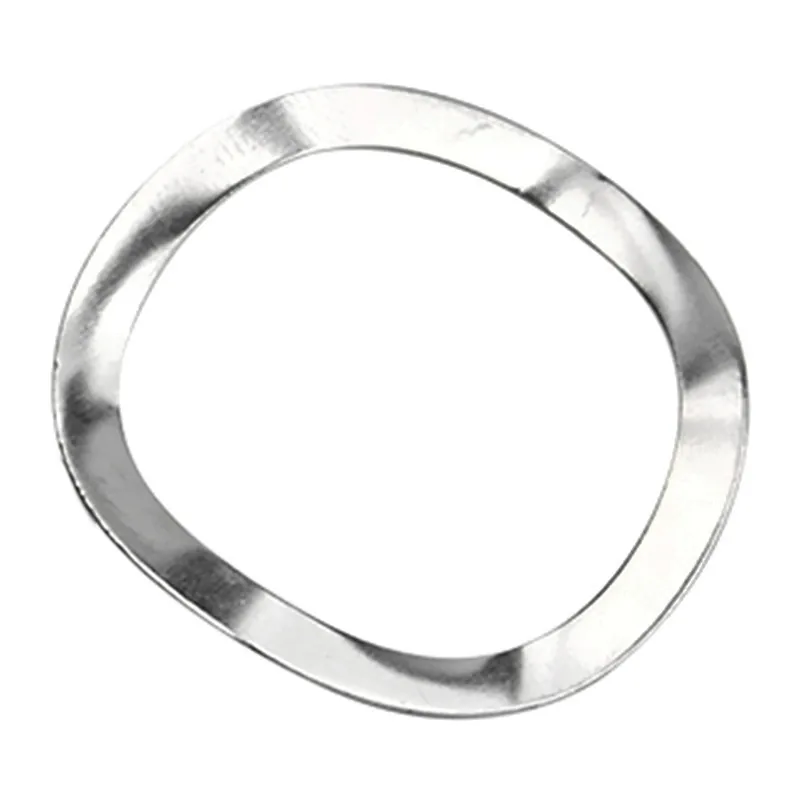
Spring Washers
Spring washers in wave, curved or conical forms for light-to-moderate axial preload, tolerance compensation and contact maintenance in compact bolted or stacked assemblies.
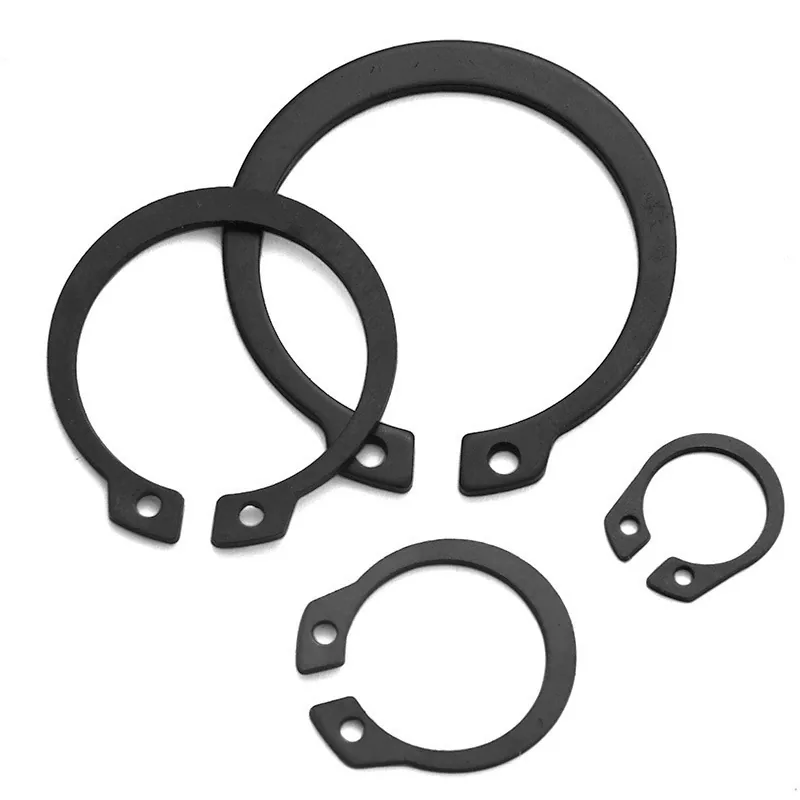
Wire Forms
Custom wire retaining and snap-ring forms for grooves, shafts and bores where the ring must install reliably, recover elastically and hold a component in position.
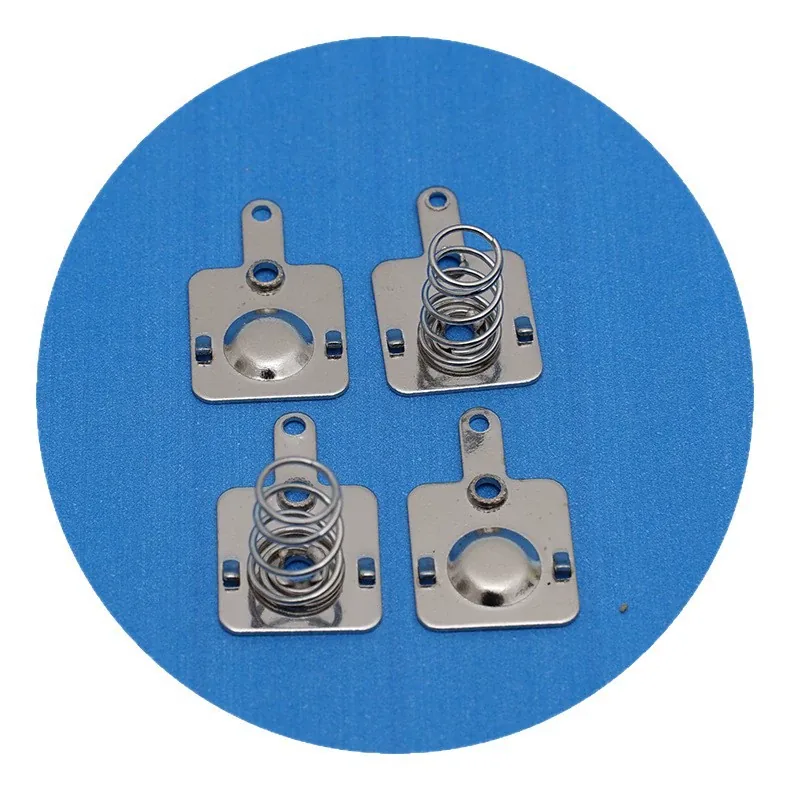
Flat Springs & Stampings
Custom conductive spring contacts for batteries, grounding points and electrical interfaces where the part must maintain contact pressure while carrying current or bonding surfaces.
Product Questions
No. Joint preload, bolt stretch, vibration direction and mating surfaces all matter. Critical joints should be validated using an appropriate locking strategy.
Their teeth interact directly with the mating surface, so hardness, coating and conductivity can change how they grip or make electrical contact.
RFQ
A drawing is ideal. If you do not have one yet, provide the dimensions, load or torque, travel, environment and expected quantity that matter in the assembly.
CustomSprings Engineering Catalog
Send your dimensions, quantity and drawing for engineering review.