
Where it earns its place
Best-Fit Uses
Compact bearing and drivetrain preload
Maintains axial load over more movement than a single-turn wave spring.
Mechanical seal and compact valve compensation
Follows wear, tolerance or normal movement while keeping the spring package short.
Taking up axial clearance in a low-height assembly
Maintains contact around a shaft or inside a bore without the free height of a conventional compression coil.
Preloading bearings, seals or compact moving parts
Provides controlled axial force while leaving more room for neighboring components.
Why this style works here
What This Spring Style Solves
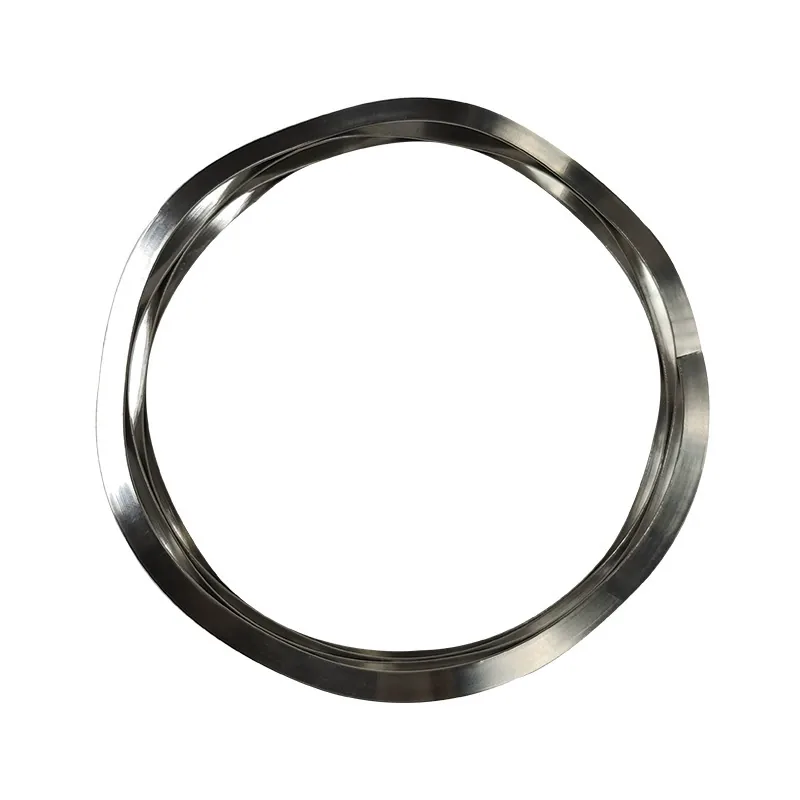
Several wave turns extend the usable movement while keeping the thin annular wall that makes wave springs attractive around shafts and inside bores.
Before you choose it
What to Confirm in Your Assembly
- Provide bore, shaft and maximum radial-wall limits.
- State installed height, full working travel and load at one or more positions.
- Give the shaft, bore and radial-wall limits together with the installed height.
- State target load and the full working travel rather than choosing by free height alone.
- Tell us whether the spring rotates, rubs or remains stationary against neighboring parts.
Avoid forcing the wrong spring into the design
When Another Spring Style May Fit Better
A multi-turn wave spring should not be selected only because it is shorter than a coil spring. Radial width, turn contact and the actual working travel must also fit the assembly.
- Single-turn wave springs for very short movement
- Compression springs when radial wall is limited but more height is available
- Disc springs for higher force over shorter travel
Keep material selection separate
Environment & Material Direction
Material choice can address corrosion or heat, but the reason for using a wave spring should come from packaging and travel. Compare alloys in the Materials section after those limits are established.
Move from the use case to the specification
Where to Go Next
Application questions
Frequently Asked Questions
When should I move from a single-turn to a multi-turn wave spring?
When one wave turn cannot provide the required working travel or load curve and the assembly still benefits from a low-profile annular spring.
Can a wave spring replace a coil spring directly?
Not by matching outside dimensions alone. Wave springs use a different radial envelope and load-travel relationship, so the installed height, travel and surrounding shaft/bore should be reviewed as a new layout.
What should I send for an application review?
Send the assembly drawing or a clear sketch, the working positions, the force or torque you need, expected cycles, environment and quantity. If an existing spring is being replaced, include its dimensions and explain what is not working well in the current design.
Same application family