
Design reference
Common wave-spring manufacturer design practice (proprietary series, no unified cross-brand public standard)
Wave Springs
A multi-turn wave spring for more axial travel than a single-turn wave form can provide while keeping the package lower than many conventional coil springs.
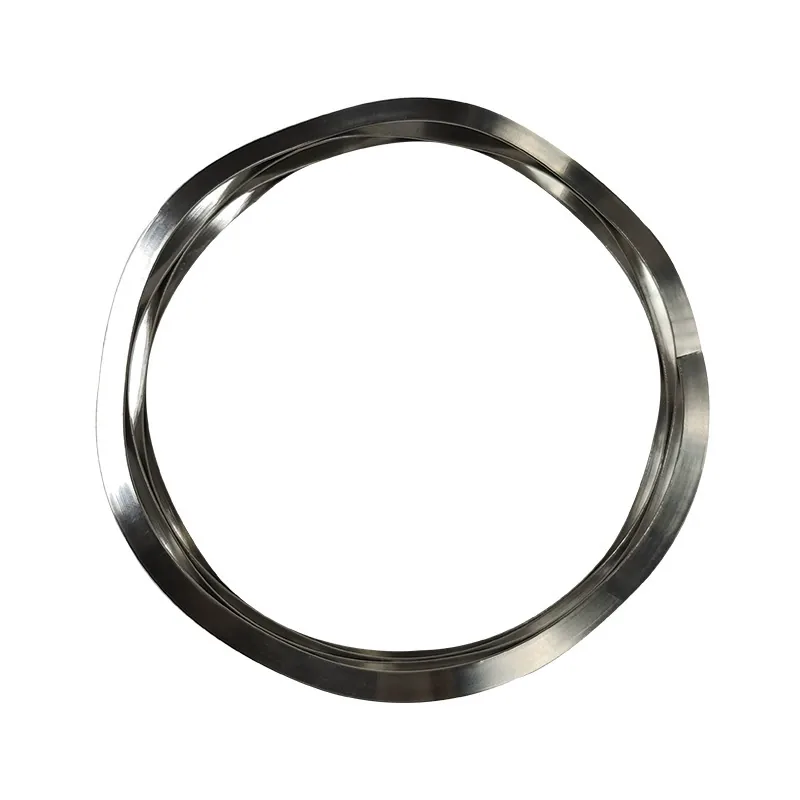
Multi-turn wave springs stack a continuous series of waves through several turns. They can provide useful travel in a compact axial envelope and are often considered for bearing preload, seals and assemblies with limited height. Turn alignment and crest-to-crest contact influence how the spring carries load.
Consistent wave amplitude, turn spacing and strip thickness are central to load repeatability. Functional load-height checks are especially useful for multi-turn designs because several geometric features contribute at once.
Made to Order
This category is reviewed from the drawing and working requirement rather than from a fixed public stock list.
Common wave-spring manufacturer design practice (proprietary series, no unified cross-brand public standard)
301/302 stainless, 17-7 PH, carbon spring steel
Number of turns and waves per turn are selected for the target spring rate and available radial/axial space.
Next Design Decisions
Once the spring style is selected, confirm how it works in the assembly, which material suits the environment, how it will be manufactured and which dimensions and performance points should be controlled on the drawing.
Applications
Review best-fit uses, assembly constraints and situations where another spring style may be a better choice.
View application guidance →Materials
Stainless and high-strength spring strip are common choices. Material temper should support repeated forming and deflection without edge cracking or excessive relaxation.
Compare spring materials →Manufacturing
Review forming, heat treatment, secondary operations, inspection and the path from first samples to repeat production.
View manufacturing capabilities →Engineering Data
Use the engineering library to review materials, sizing considerations and applicable standards for the custom design.
Open Spring Engineering Guide →Material Direction
The links below are selection guides, not a claim that every grade is suitable for every size or load.
Compare Designs
Use these alternatives when the available space, connection style, travel or force direction changes.
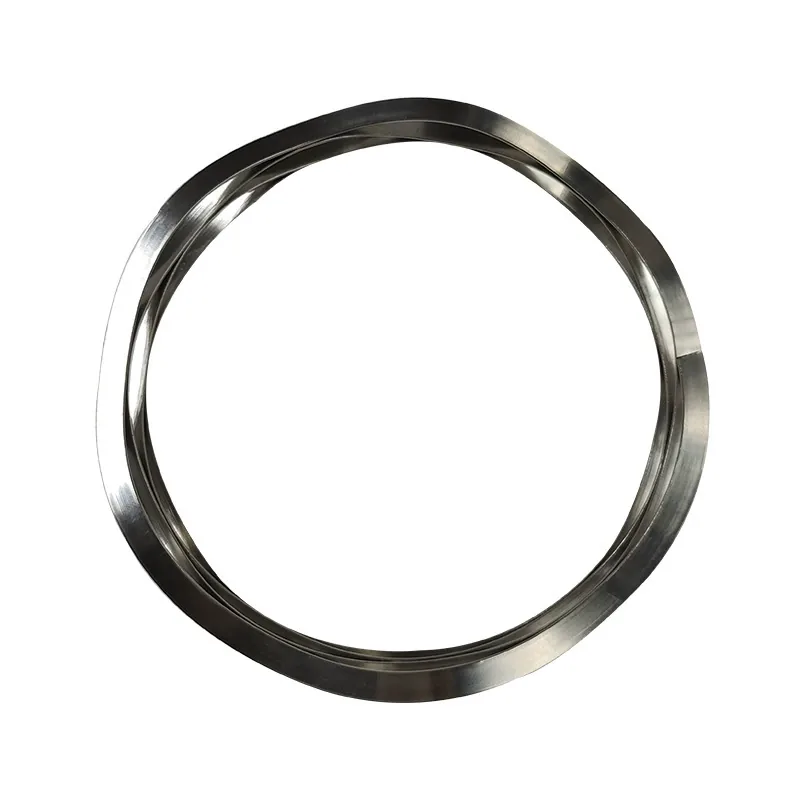
Wave Springs
A single-turn wave spring for light axial preload and take-up where a conventional coil spring would occupy too much height.
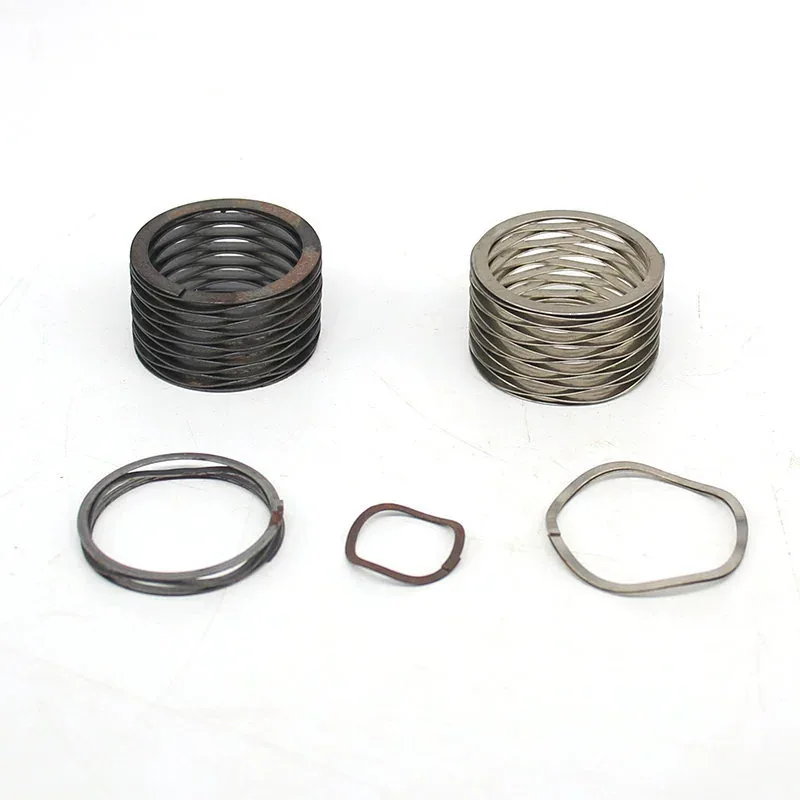
Wave Springs
A washer-like wave spring for light preload, tolerance take-up and rattle control in very shallow axial spaces.
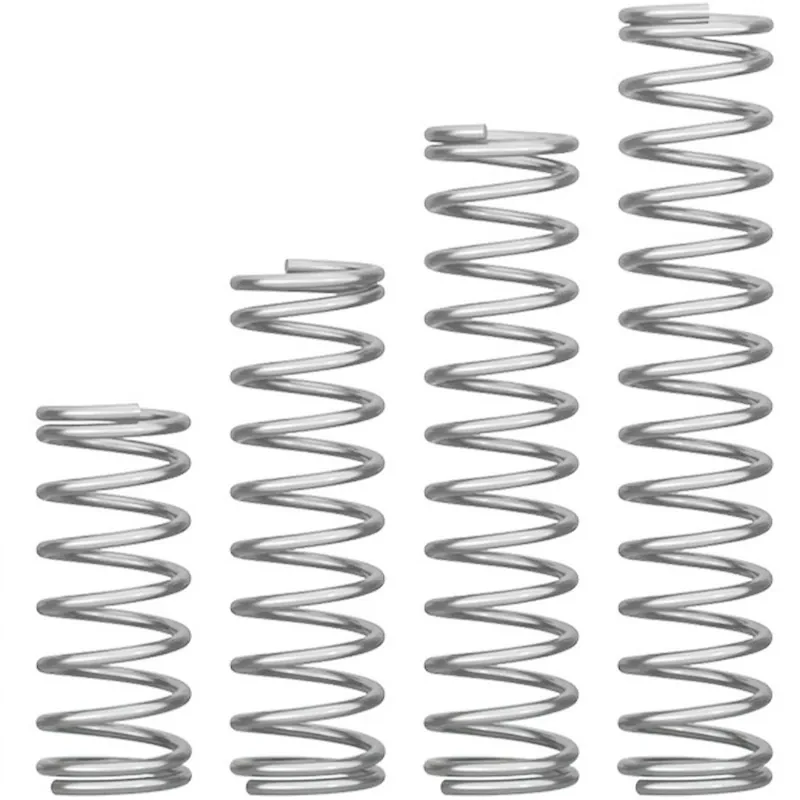
Compression Springs
A straight, constant-diameter coil for predictable axial force where the spring works inside a bore, around a guide, or between two flat seats.
Product Questions
It uses formed flat wire and waves instead of a round-wire helix, allowing a lower axial package for many preload applications.
More turns generally add travel, but final stiffness also depends on strip section, wave geometry, diameter and how the turns contact.
RFQ
A drawing is ideal. If you do not have one yet, provide the dimensions, load or torque, travel, environment and expected quantity that matter in the assembly.
CustomSprings Engineering Catalog
Send your dimensions, quantity and drawing for engineering review.