
Applications
Where this spring style fits
Review best-fit uses, assembly constraints and situations where another spring style may be a better choice.
View application guidance →Wire Forms
D-shaped and other formed wire rings, specified by outline, end condition and the actual connection or retention function.
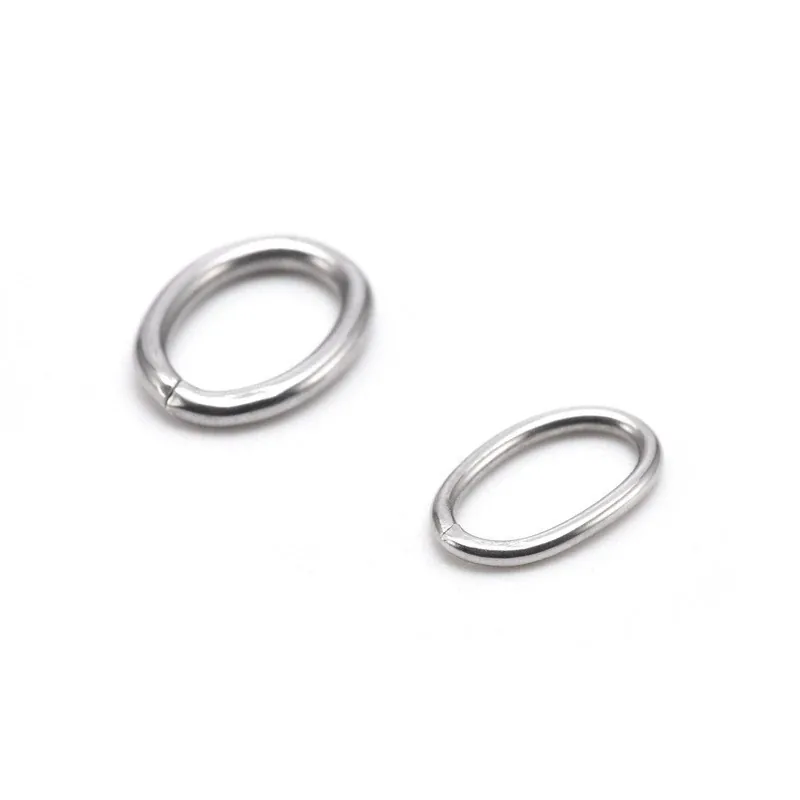
A D-shaped formed ring has a defined straight region and curved region. Other ring outlines need their own dimensions, including the end or joint condition. A formed metal ring is not automatically an elastic retaining spring or a load-rated connector. Identify whether it is a fixed connection feature, an elastic installation element or a locating part, then specify the required interface and load.
A D-shaped connector and a spring retaining ring can have different requirements even when both are made from wire. Compare retaining rings only when the groove and elastic installation function match the intended assembly.
Specify outline gauging, end condition and any required joint or load test. A stated load rating needs a defined assembly and acceptance method; it cannot be inferred from ring appearance.
Product Specification
Use these product-specific inputs to describe your requirement. Final dimensions, material and performance are confirmed against the drawing and operating conditions.
| Specification item | What to define |
|---|---|
| Outline geometry | Straight length, curved profile, overall width and height. |
| Wire section | Diameter or profile dimensions and material condition. |
| End arrangement | Gap, overlap, joining detail or capture feature. |
| Mating interface | Contact surfaces, strap, groove or installation geometry. |
| Functional acceptance | Required load or installation movement and test basis. |
Next Design Decisions
Once the spring style is selected, confirm how it works in the assembly, which material suits the environment, how it will be manufactured and which dimensions and performance points should be controlled on the drawing.
Applications
Review best-fit uses, assembly constraints and situations where another spring style may be a better choice.
View application guidance →Materials
Review wire grade, condition and finish with the forming, joining and exposure requirements of the particular ring.
Compare spring materials →Manufacturing
Review forming, heat treatment, secondary operations, inspection and the path from first samples to repeat production.
View manufacturing capabilities →Engineering Data
Use the engineering library to review materials, sizing considerations and applicable standards for the custom design.
Open Spring Engineering Guide →Material Direction
The links below are selection guides, not a claim that every grade is suitable for every size or load.
Compare Designs
Use these alternatives when the available space, connection style, travel or force direction changes.
Wire Forms
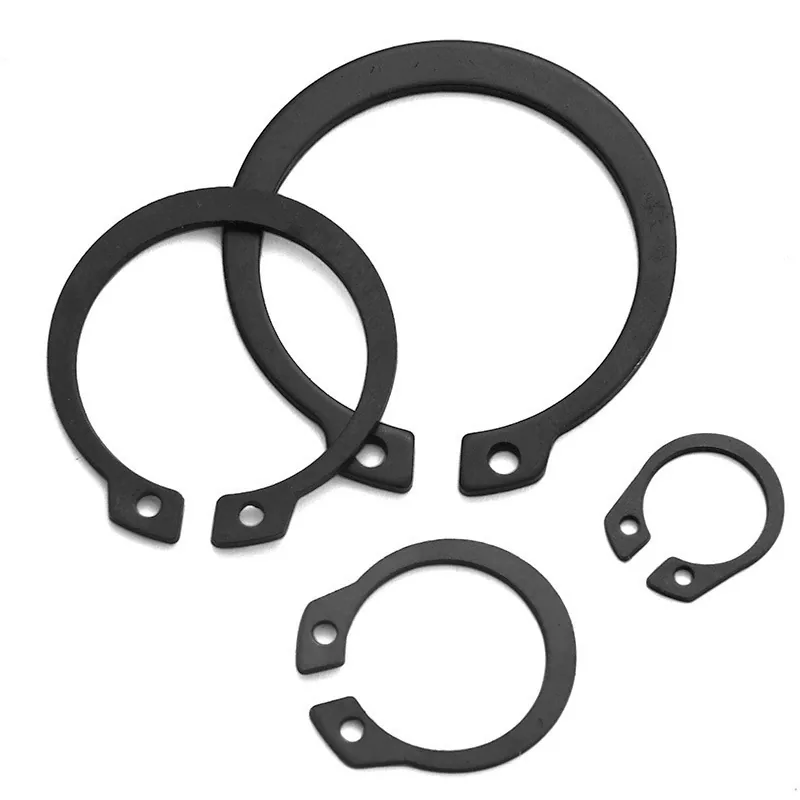
Custom wire retaining and snap-ring forms for grooves, shafts and bores where the ring must install reliably, recover elastically and hold a component in position.
Wire Forms
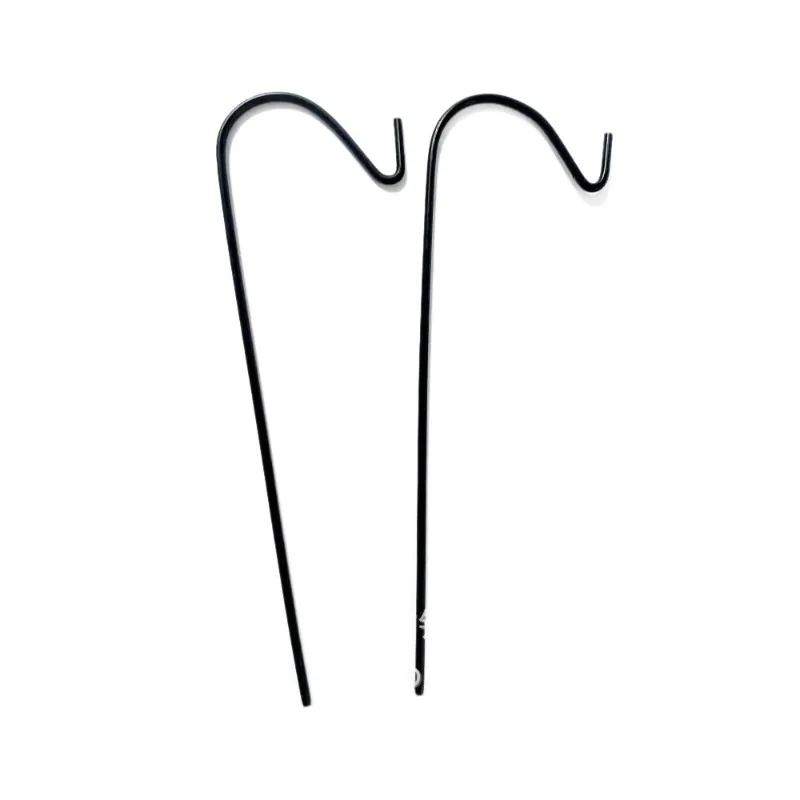
Custom 2D and 3D wire parts formed to a drawing when the component needs to locate, retain, connect, guide or support another part rather than behave like a conventional coil spring.
Wire Forms
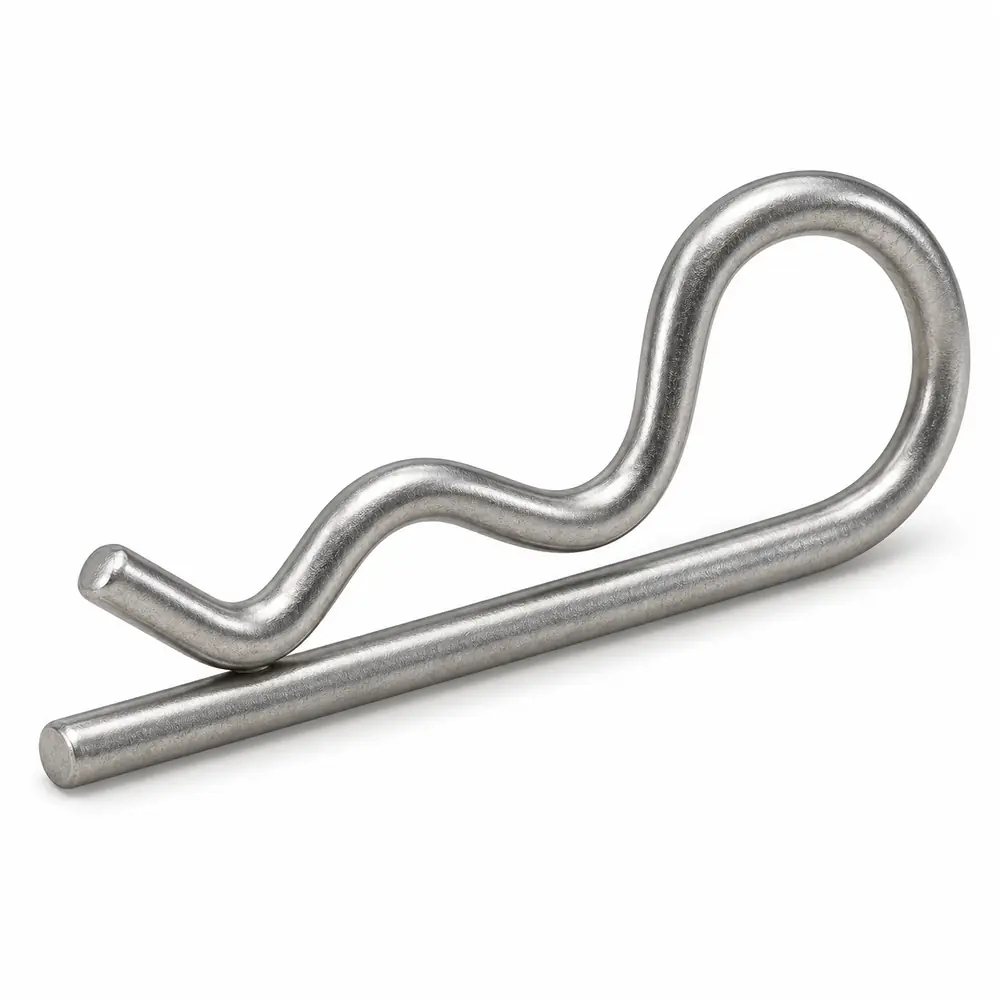
Wire locking and release forms specified by the engagement geometry, actuation movement and required retention.
Product Questions
No. Some serve as fixed connectors or locating parts. State whether elastic movement is required and how the ring functions in the assembly.
No. Include the straight region, curved outline, overall dimensions and end condition.
RFQ
A drawing is ideal. If you do not have one yet, provide the dimensions, load or torque, travel, environment and expected quantity that matter in the assembly.
CustomSprings Engineering Catalog
Send your dimensions, quantity and drawing for engineering review.