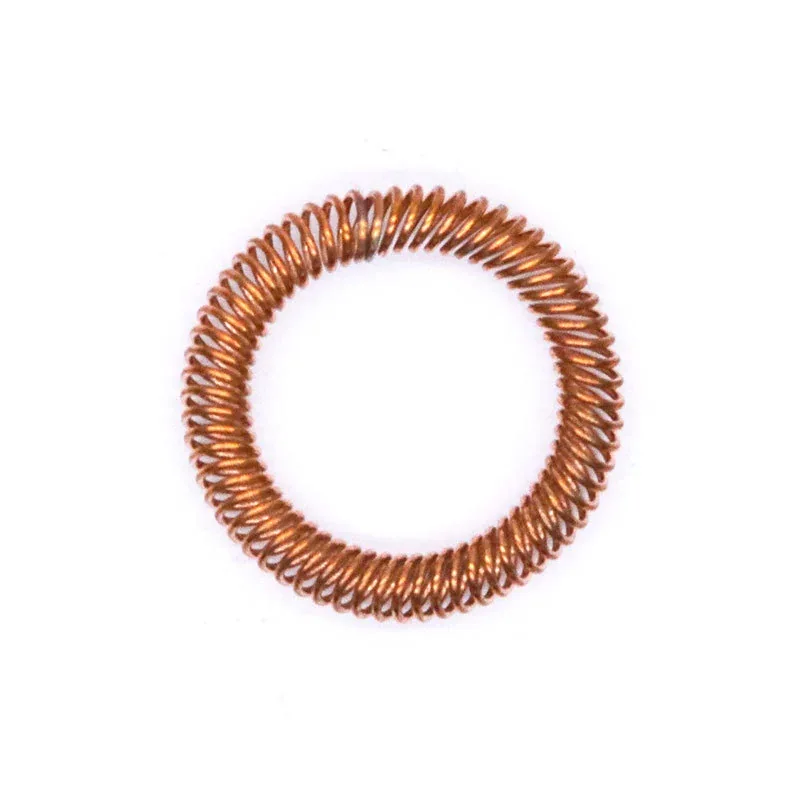
Garter & Canted Coil Springs
Custom Axial Canted Coil Springs manufactured to your drawing, dimensions, load or torque, material, working environment and production requirements.
- Engineering data
- 6 data points
- Typical / standard data
- 3 configurations
- Manufacturing
- Made to specification
View specifications →
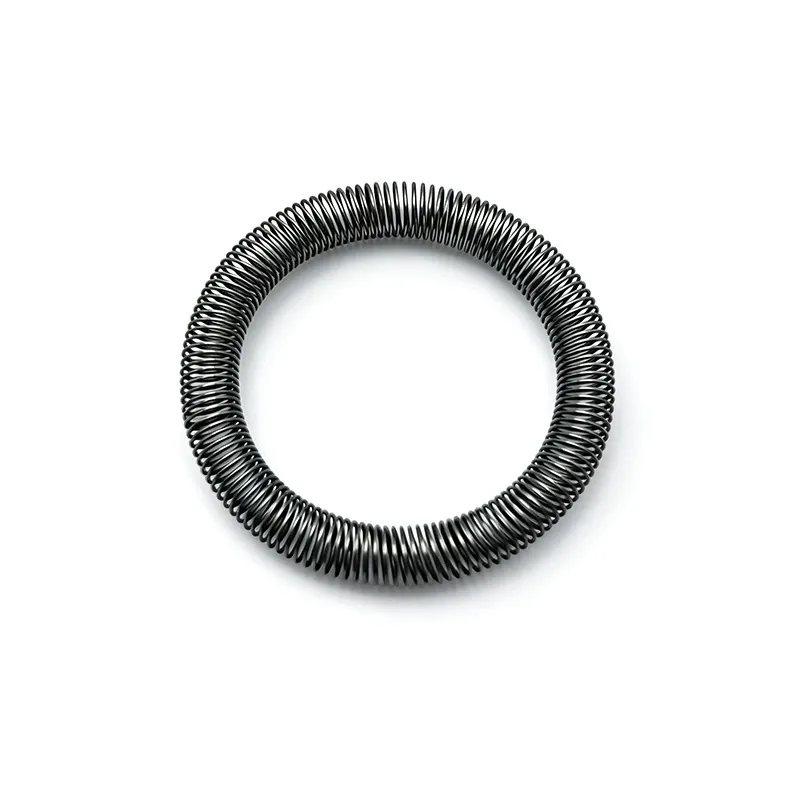
Garter & Canted Coil Springs
A continuous ring of canted coils used where a compact circular interface needs repeatable radial or axial spring force, electrical contact, latching or sealing support.
- Availability
- Made to order
- Quotation
- Drawing-based RFQ
View specifications →
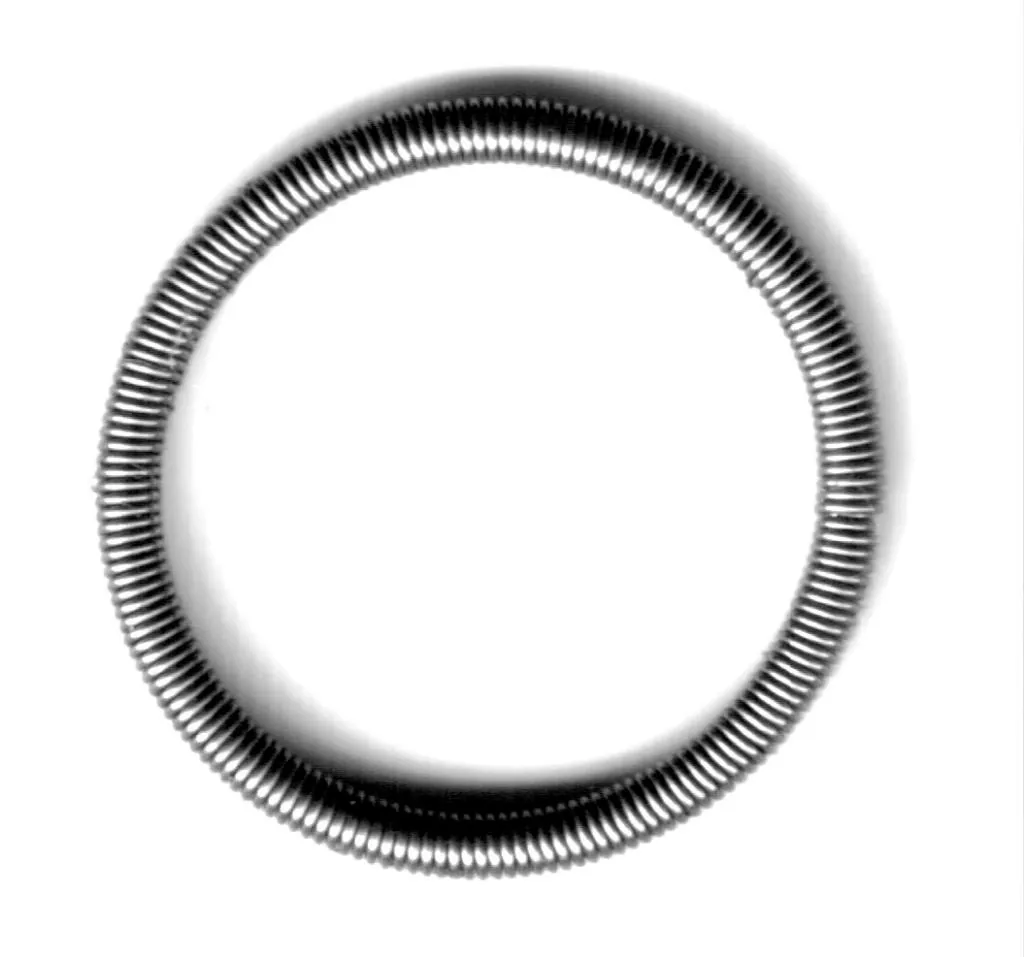
Garter & Canted Coil Springs
Circular compression garter springs for outward radial loading, specified by free and installed ring geometry and the required force basis.
- Availability
- Made to order
- Quotation
- Drawing-based RFQ
View specifications →
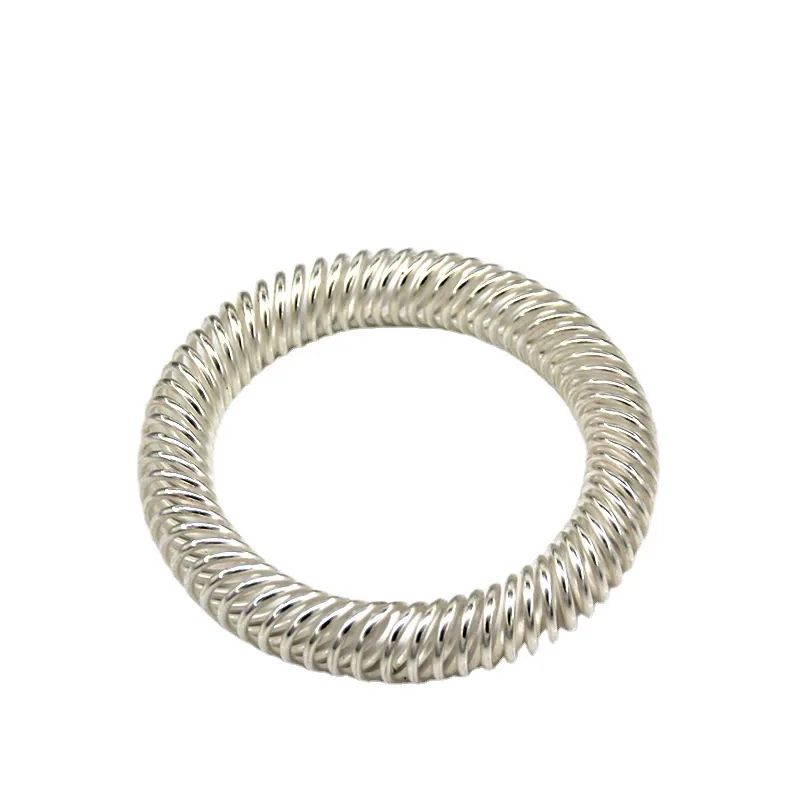
Garter & Canted Coil Springs
Conductive spring contacts for enclosure seams and interfaces where mechanical compliance must maintain electrical continuity for EMI shielding or grounding.
- Engineering data
- 6 data points
- Typical / standard data
- 3 configurations
- Manufacturing
- Made to specification
View specifications →
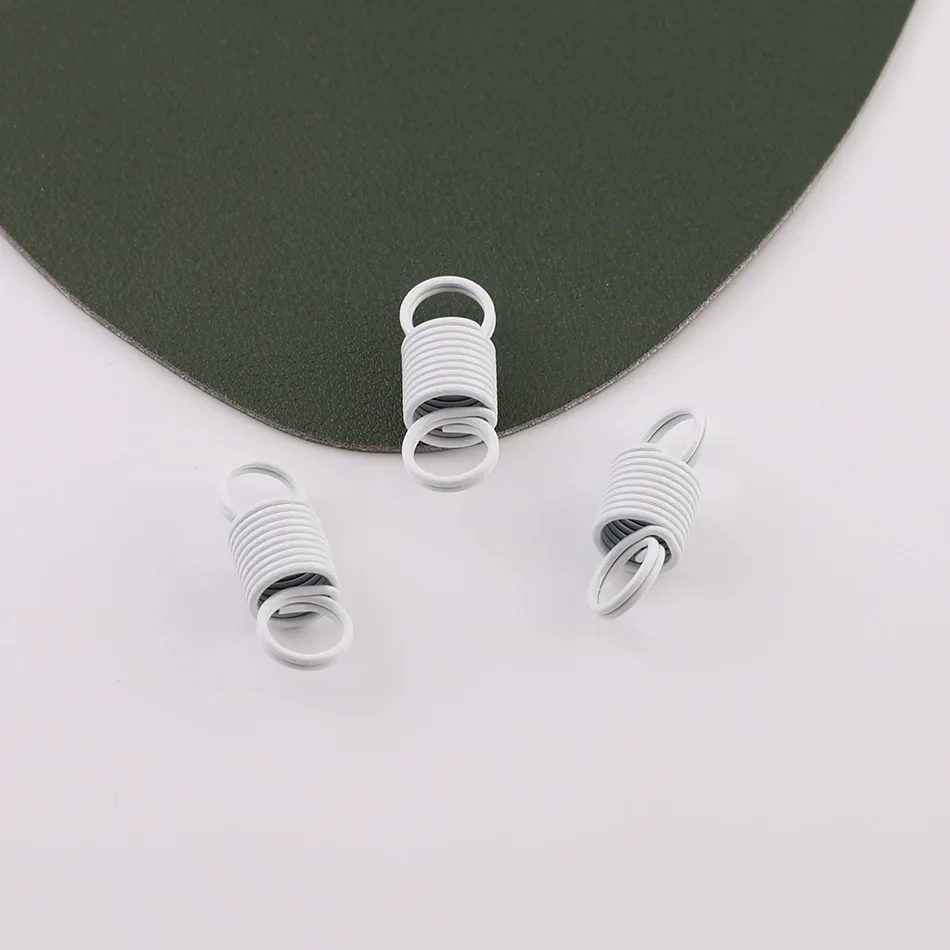
Garter & Canted Coil Springs
Custom Extension Garter Springs manufactured to your drawing, dimensions, load or torque, material, working environment and production requirements.
- Engineering data
- 4 data points
- Typical / standard data
- 1 configurations
- Manufacturing
- Made to specification
View specifications →
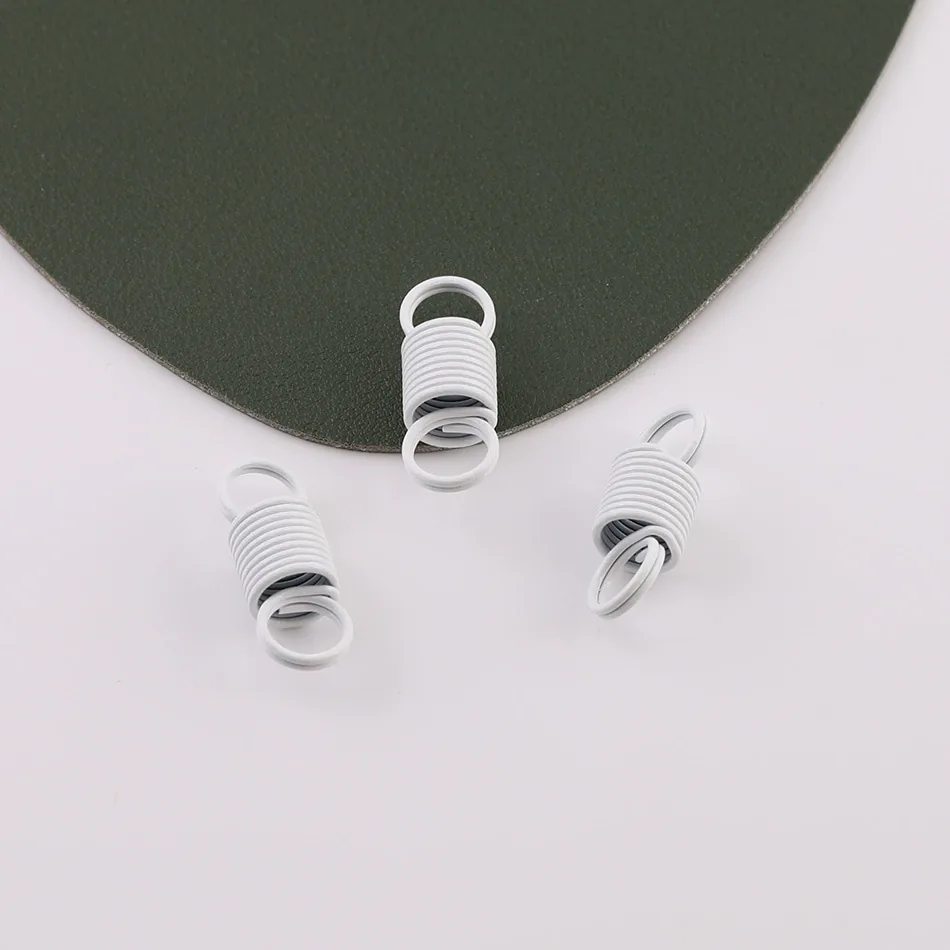
Garter & Canted Coil Springs
A circular extension or compression coil joined end-to-end for applying distributed radial force around seals, shafts, housings or other round interfaces.
- Availability
- Made to order
- Quotation
- Drawing-based RFQ
View specifications →
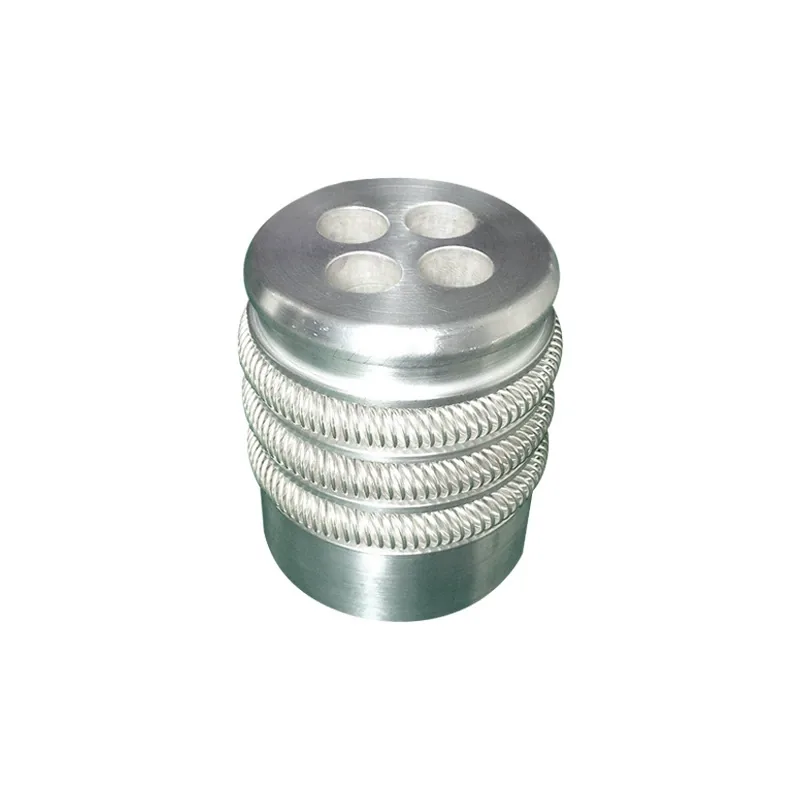
Garter & Canted Coil Springs
Custom Radial Canted Coil Springs manufactured to your drawing, dimensions, load or torque, material, working environment and production requirements.
- Engineering data
- 6 data points
- Typical / standard data
- 3 configurations
- Manufacturing
- Made to specification
View specifications →
Product Family Overview
Circular Spring Force Around a Groove or Mating Surface
Garter and canted coil springs are closed-ring forms rather than conventional straight compression or extension springs. Their performance is defined by ring diameter, groove geometry, radial or axial deflection and the contact force needed around the circumference.
Selection
Choose the Ring Spring by Contact Function
Sealing, electrical contact and mechanical retention place different demands on the spring and groove.
Garter springs for seals and radial loading
Extension- or compression-style garter springs are commonly integrated with seals where a continuous radial load is needed.
Canted coil springs for controlled contact force
Canted geometry can provide a relatively controlled force over deflection for connectors, latching, retention or electrical-contact functions.
EMI and conductive ring springs
Electrical applications add conductivity, plating, contact resistance and surface-condition requirements to the mechanical groove design.
Custom Manufacturing Data
Ring Diameter, Groove and Contact Force
These products are normally made to the seal, connector or enclosure drawing. Ring diameter alone is not enough; groove dimensions and working deflection determine the installed force.
- Product designs
- 7
- Engineering data rows
- 22
- Wire / thickness range
- Defined by drawing
- Outside diameter range
- Defined by drawing
- Free length range
- Defined by drawing
Custom RFQ
What to Send for a Garter or Canted Coil Spring Quote
Provide the mating groove and the force direction so the ring can be reviewed in its installed condition.
- Installed ring diameter and groove dimensions
- Coil wire diameter or radial wall if known
- Radial or axial force requirement
- Working deflection and installation method
- Seal, connector, EMI or retention function
- Material/plating, environment and quantity
Project Support
Continue With the Detail Your Project Needs
Use the product pages for specific spring geometry, then continue with application, material, manufacturing or engineering information as needed.
Applications
Compare best-fit uses
Review where spring styles work well, assembly constraints and alternative designs.
View spring applications →
Materials
Select the material family
Compare strength, corrosion, temperature, fatigue and conductivity before choosing a grade.
Compare spring materials →
Manufacturing
Plan prototype and production
See how forming, heat treatment, inspection, first articles and repeat production are reviewed.
View manufacturing capabilities →
Engineering Data
Review engineering data
Use material, wire-diameter and standard guides to support spring selection and drawing preparation.
Open Spring Engineering Guide →
