About Custom Single-Turn Wave Springs
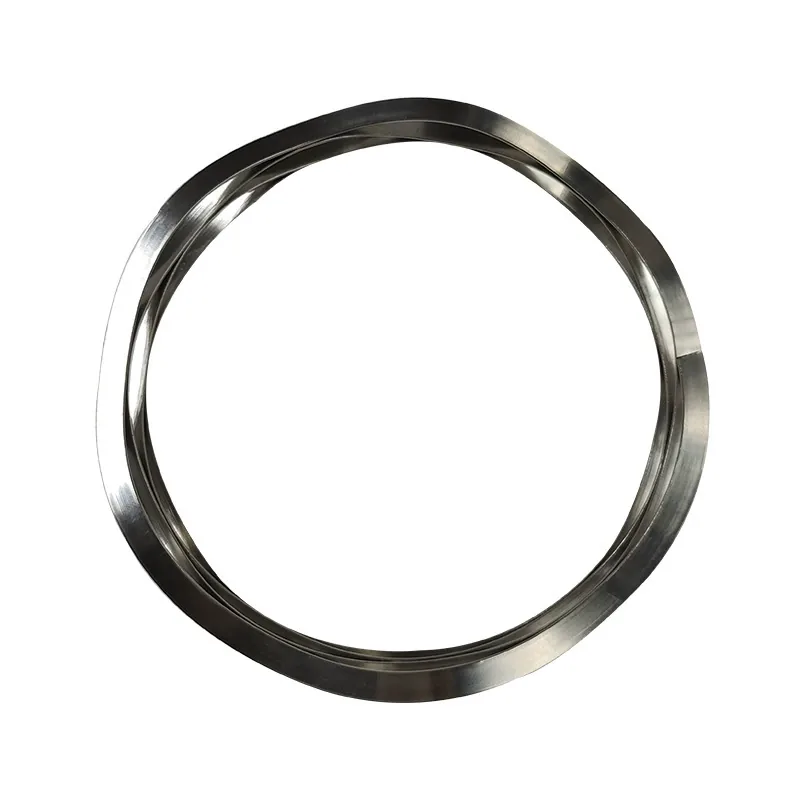
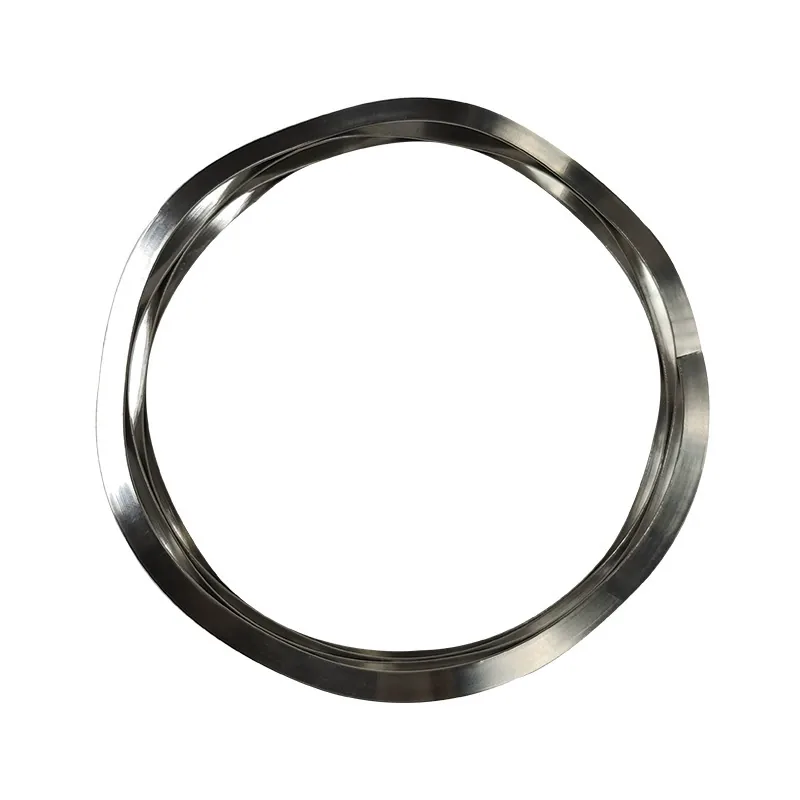
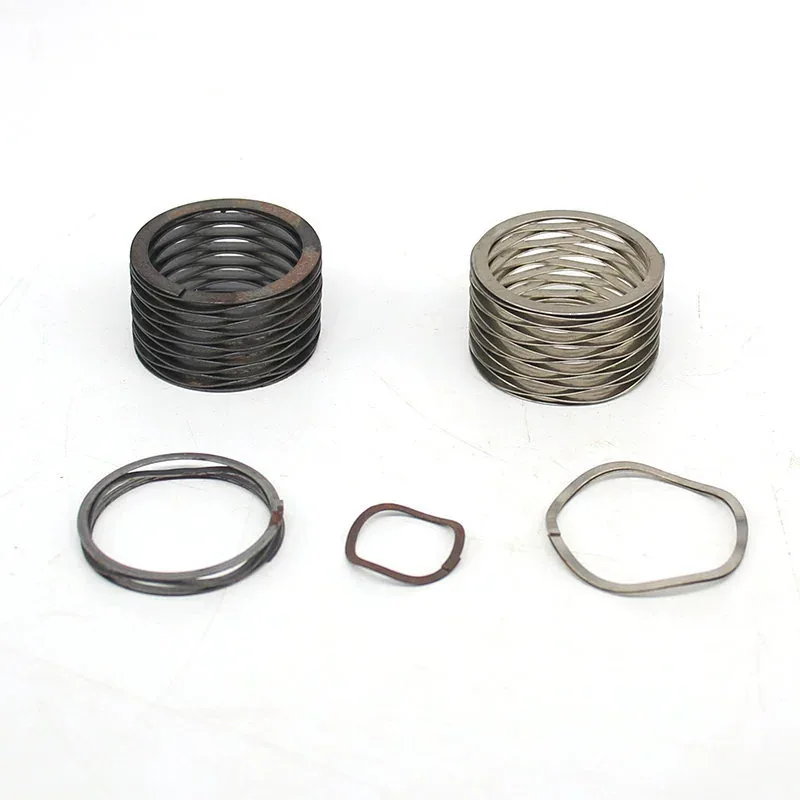
Single-turn wave springs use one circular turn with formed waves to create axial compliance. They are especially useful for removing play, maintaining contact or applying a light preload in shallow spaces. The available radial wall and seating surfaces usually matter more than free length in the conventional coil-spring sense.
Key Design Characteristics
- Wave count and amplitude influence load and available deflection.
- Radial wall width and thickness must fit the annular space between shaft and housing.
- The spring needs suitable seating surfaces so the wave peaks load consistently.
- It is best used over relatively short travel rather than as a direct substitute for a long-stroke compression spring.
What to Specify for a Custom Quote
- Shaft or bore diameter and available radial wall
- Material thickness and radial width if already defined
- Free height, installed height and working deflection
- Required preload or load at the installed height
- Cycle requirement, temperature, material, finish and quantity
Manufacturing Review
Flat-wire forming and controlled wave geometry determine repeatability. For small preload values, thickness and free-height tolerance can have a large effect, so the functional load point should be included in inspection.
Common Assembly Roles
- Bearing preload
- Axial play compensation
- Compact contact maintenance in housings and assemblies
Made to Order
How This Product Is Quoted
This category is reviewed from the drawing and working requirement rather than from a fixed public stock list.
Design reference
Radial-wall / groove-fit design practice consistent with common wave-spring manufacturer series (e.g. crest-to-crest, gap or overlap types); each manufacturer maintains its own proprietary series, so no single public cross-brand standard exists
Typical material direction
301/302 stainless, 17-7 PH, carbon spring steel
Why there is no fixed table
Working force and number of waves are engineered for the specific groove and required force; provide bore/shaft fit and travel for a quotation.
Next Design Decisions
Next Steps for Your Spring Design
Once the spring style is selected, confirm how it works in the assembly, which material suits the environment, how it will be manufactured and which dimensions and performance points should be controlled on the drawing.
Applications
Where this spring style fits
Review best-fit uses, assembly constraints and situations where another spring style may be a better choice.
View application guidance →
Materials
Choose the material for the environment
Stainless and carbon spring strip are common. 17-7 PH or other higher-strength stainless options may be considered when more load or temperature margin is needed in a compact section.
Compare spring materials →
Manufacturing
Plan prototype and production
Review forming, heat treatment, secondary operations, inspection and the path from first samples to repeat production.
View manufacturing capabilities →
Engineering Data
Use the engineering guide for design support
Use the engineering library to review materials, sizing considerations and applicable standards for the custom design.
Open Spring Engineering Guide →
Material Direction
Common Material Families to Review
The links below are selection guides, not a claim that every grade is suitable for every size or load.
Use these alternatives when the available space, connection style, travel or force direction changes.
RFQ
Send the Working Requirement
A drawing is ideal. If you do not have one yet, provide the dimensions, load or torque, travel, environment and expected quantity that matter in the assembly.
CustomSprings Engineering Catalog
Request This Spring
Send your dimensions, quantity and drawing for engineering review.