
Design reference
Engineered per clutch or seal assembly drawing; no universal public size table
Disc Springs / Belleville Washers
A thin conical plate spring, often with radial fingers, for clutch, valve and compact force-control assemblies that need a broad annular load path.
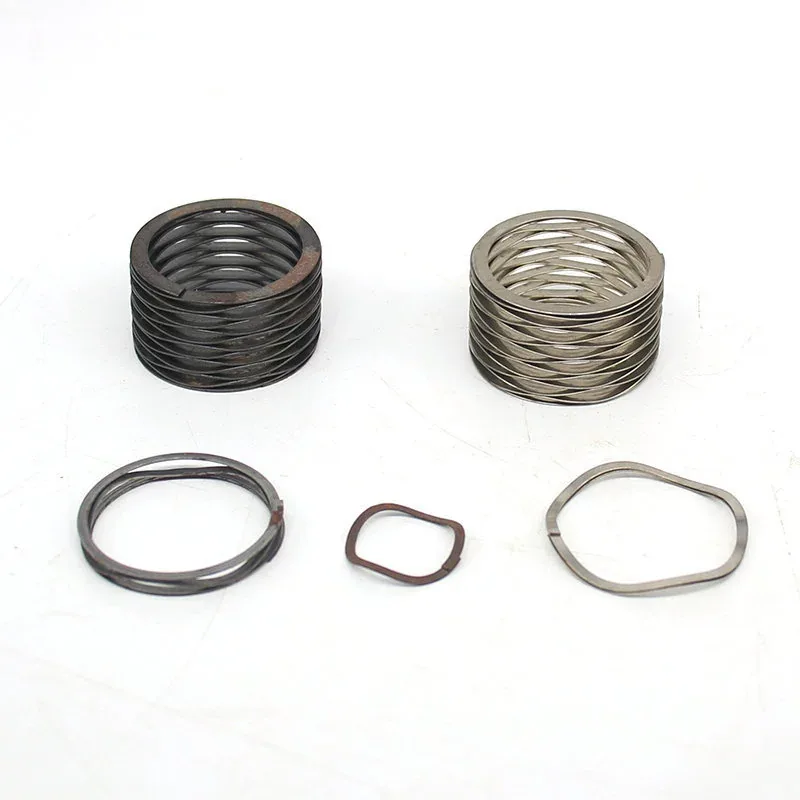
Diaphragm springs combine a conical disc body with a load path that may include radial fingers or other formed features. They can provide large axial force in a shallow package and can also act as both spring and lever in the same assembly. The mating rings, finger contact points and deflection path define the real behavior.
The process route may include blanking or cutting, forming, heat treatment and finish grinding or calibration. Functional load testing at defined deflections is more meaningful than checking cone height alone.
Made to Order
This category is reviewed from the drawing and working requirement rather than from a fixed public stock list.
Engineered per clutch or seal assembly drawing; no universal public size table
60Si2MnA / 51CrV4 spring steel
Diaphragm springs (e.g. clutch pressure-plate springs) are matched to the mating assembly and are quoted from application data.
Engineering Data
Use these data points to compare geometry, material and working parameters when defining your custom spring. Final values are reviewed and confirmed for the actual assembly before production.
| Configuration | Data type | Key parameters | Material / basis |
|---|---|---|---|
| Engineering Data 01 | Standard Dimension |
|
Spring steel / stainless / specialty alloy |
| Engineering Data 02 | Engineering Data |
|
Depends on standard/type |
| Engineering Data 03 | Material Option |
|
Depends on the specific series |
| Typical Configuration 04Data point | Typical Configuration |
|
Steel |
| Typical Configuration 05Data point | Typical Configuration |
|
Steel |
| Typical Configuration 06Data point | Typical Configuration |
|
Heat-treated general steel |
Design note: dimensions, force / torque, material, tolerances, fatigue life and compliance are finalized against your drawing and operating conditions during quotation.
Next Design Decisions
Once the spring style is selected, confirm how it works in the assembly, which material suits the environment, how it will be manufactured and which dimensions and performance points should be controlled on the drawing.
Applications
Review best-fit uses, assembly constraints and situations where another spring style may be a better choice.
View application guidance →Materials
Alloy spring steels are common for high-load diaphragm springs. Stainless or specialty alloys can be considered for corrosion or temperature, with the load curve revalidated for the different material properties.
Compare spring materials →Manufacturing
Review forming, heat treatment, secondary operations, inspection and the path from first samples to repeat production.
View manufacturing capabilities →Engineering Data
Use the engineering library to review materials, sizing considerations and applicable standards for the custom design.
Open Spring Engineering Guide →Material Direction
The links below are selection guides, not a claim that every grade is suitable for every size or load.
Compare Designs
Use these alternatives when the available space, connection style, travel or force direction changes.
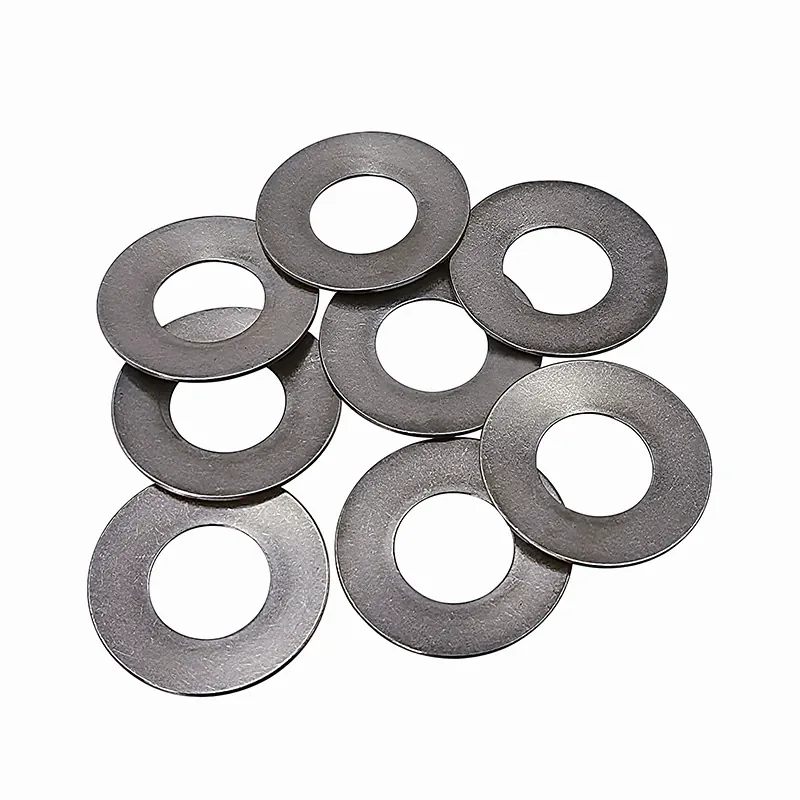
Disc Springs / Belleville Washers
Conical disc springs referenced to DIN 2093 / DIN EN 16983 for high axial force in short travel, with stack arrangements available to change total force and deflection.
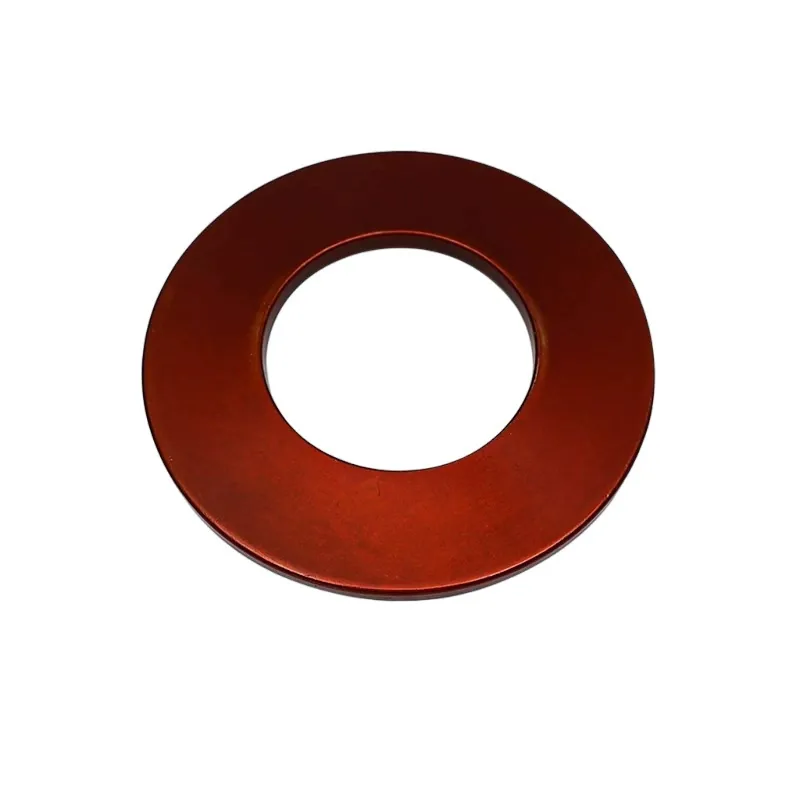
Disc Springs / Belleville Washers
Customized disc-spring variants with slots, contact flats or special interfaces for compact axial force where a standard Belleville disc does not match the mating geometry.
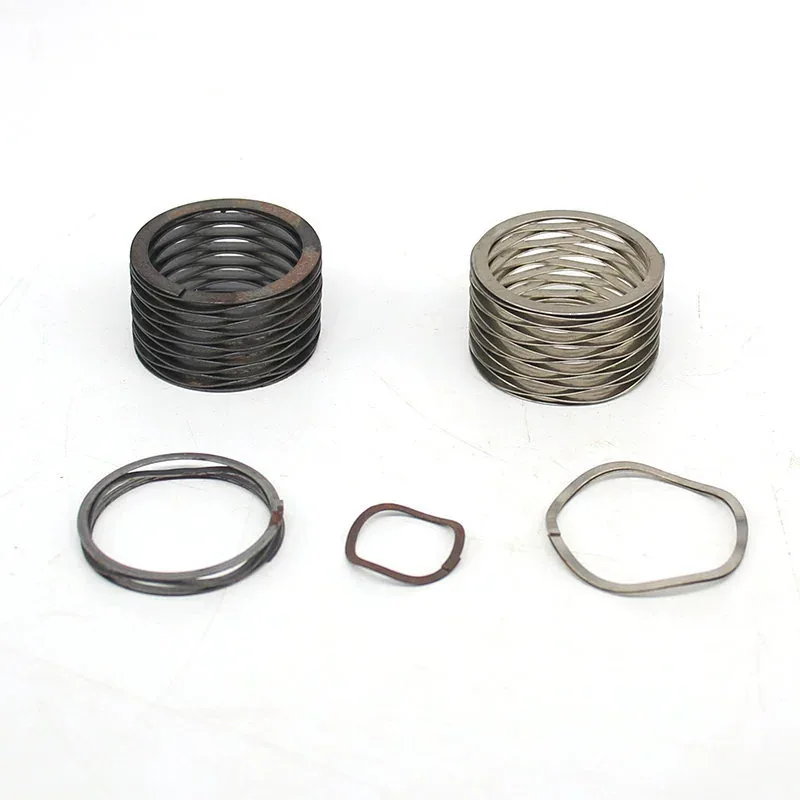
Wave Springs
A washer-like wave spring for light preload, tolerance take-up and rattle control in very shallow axial spaces.
Product Questions
They share a conical-disc principle, but diaphragm springs often include fingers or application-specific geometry and can perform a lever function as well as a spring function.
Provide the mating support diameters, working contact position, force-deflection requirement and the complete finger or slot geometry.
RFQ
A drawing is ideal. If you do not have one yet, provide the dimensions, load or torque, travel, environment and expected quantity that matter in the assembly.
CustomSprings Engineering Catalog
Send your dimensions, quantity and drawing for engineering review.