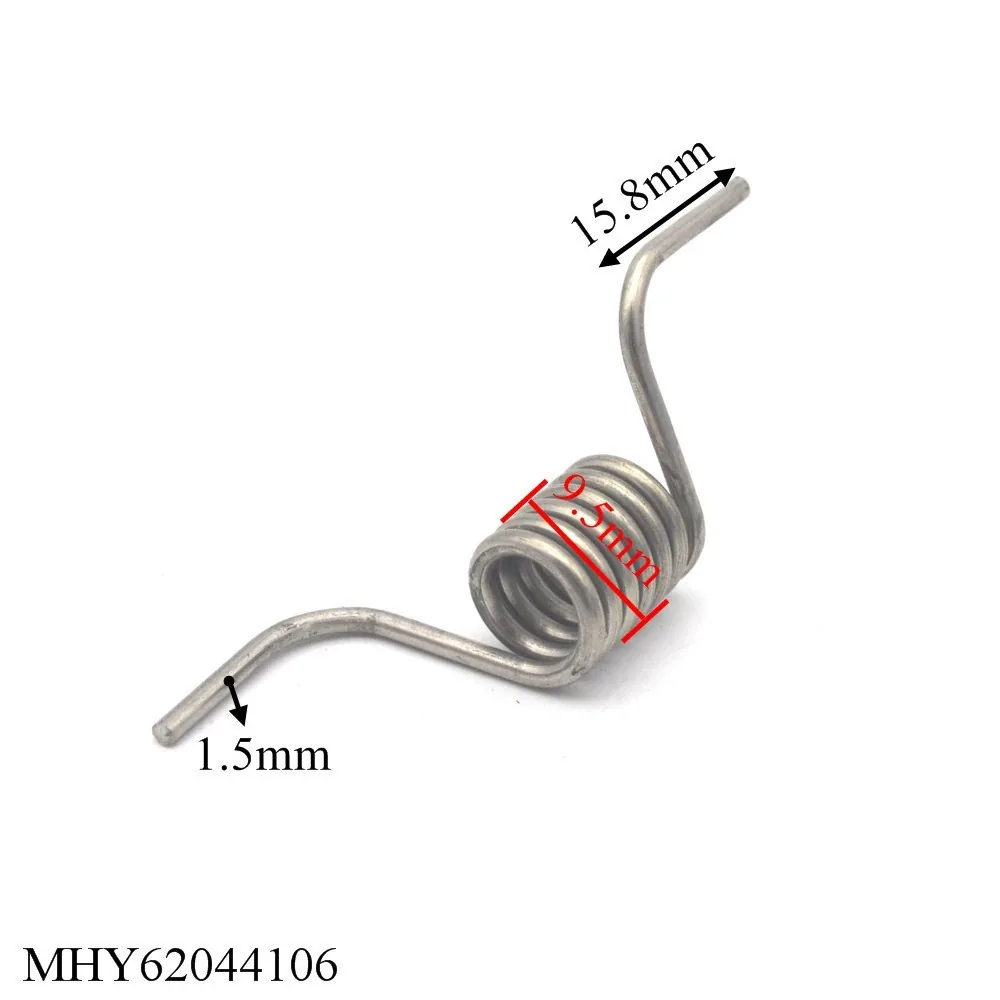
Torsion Springs
Custom Double Torsion Springs manufactured to your drawing, dimensions, load or torque, material, working environment and production requirements.
- Engineering data
- 6 data points
- Typical / standard data
- 3 configurations
- Manufacturing
- Made to specification
View specifications →
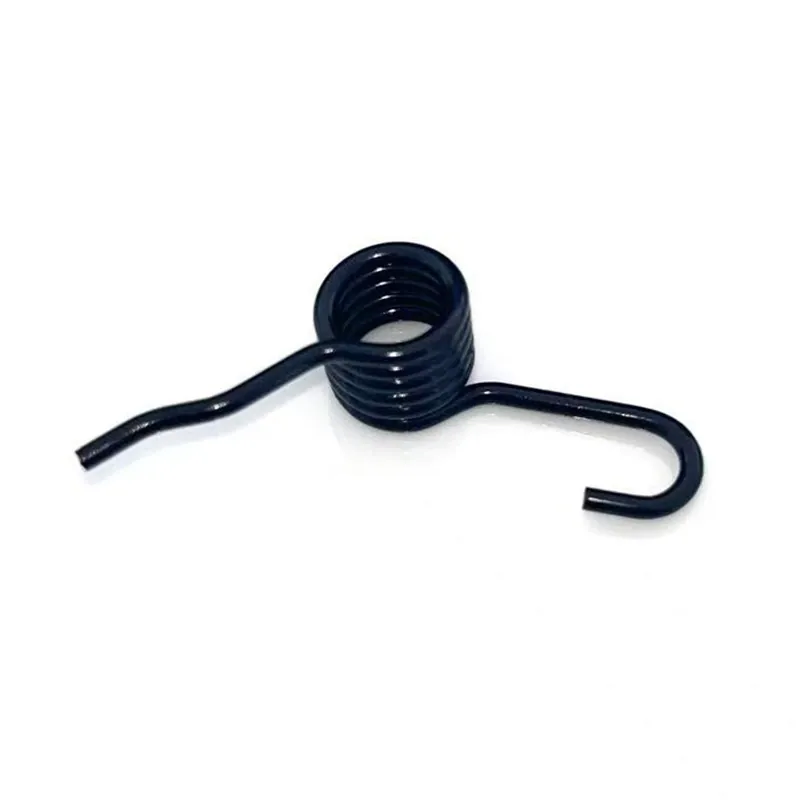
Torsion Springs
A torsion spring with two working arms used to share rotary load across a wider mechanism or provide balanced return around a common pivot.
- Variants
- 38
- Wire
- 0.3-6 mm
- OD
- 2.48-65.76 mm
View specifications →
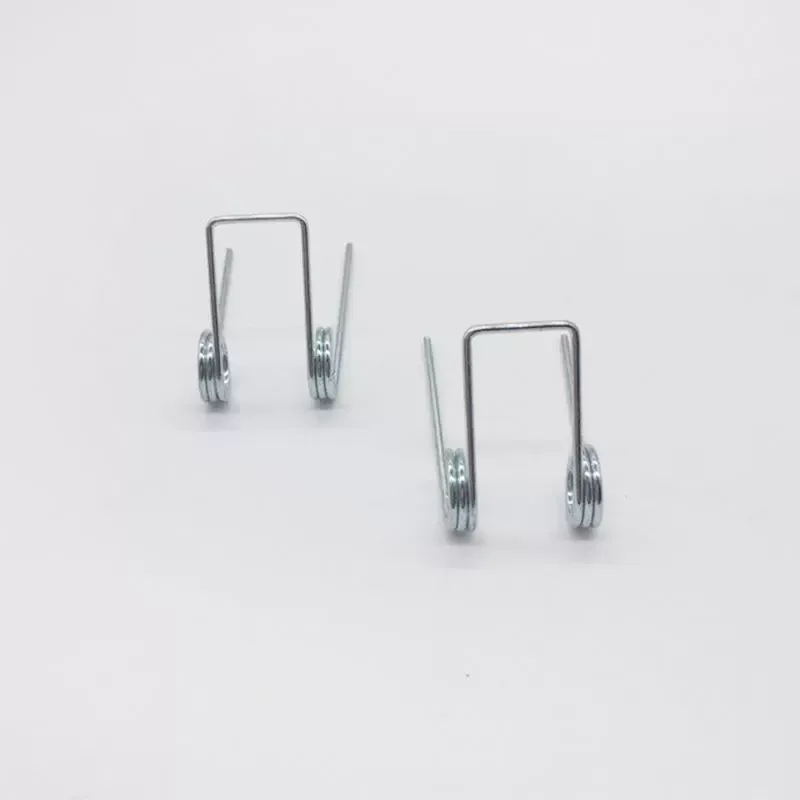
Torsion Springs
Side-by-side double torsion spring layouts, specified by coil spacing, bridge geometry, winding direction and torque at working angles.
- Availability
- Made to order
- Quotation
- Drawing-based RFQ
View specifications →
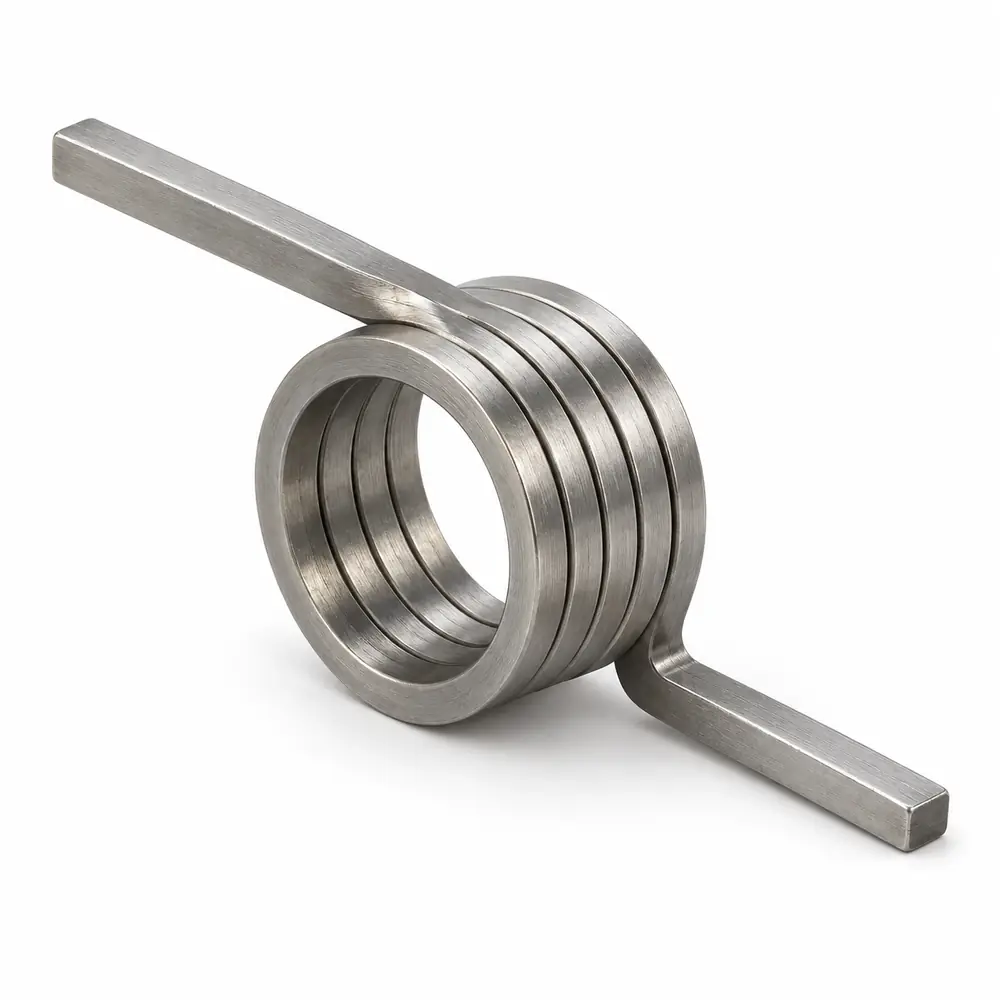
Torsion Springs
Helical torsion springs with a defined flat material section, specified by section orientation, leg geometry and torque at working angles.
- Availability
- Made to order
- Quotation
- Drawing-based RFQ
View specifications →
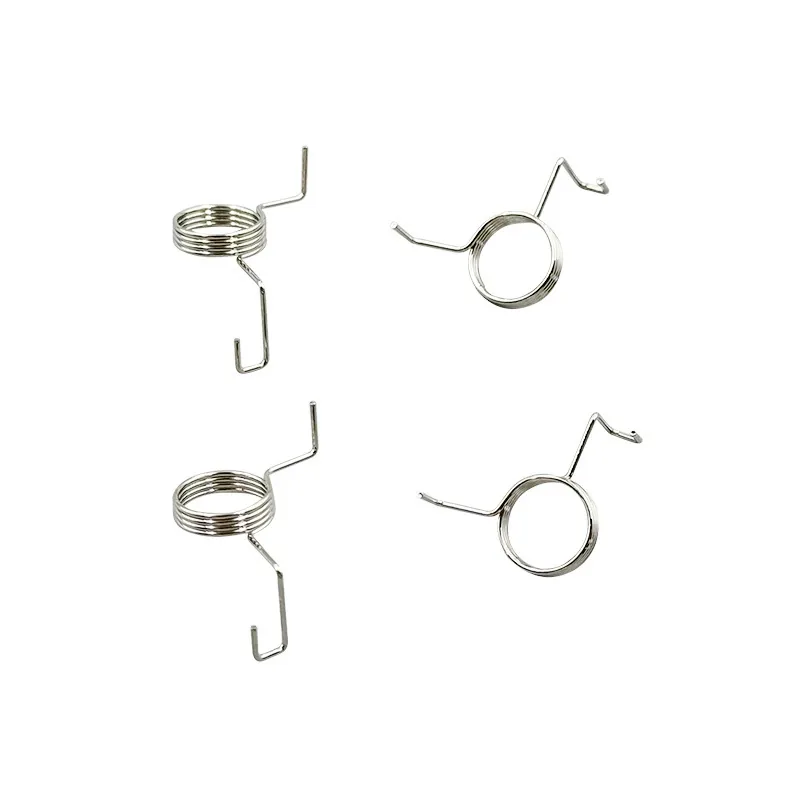
Torsion Springs
An open U- or hairpin-shaped spring for shallow layouts where two arms flex around a curved center rather than around a tightly wound coil body.
- Variants
- 20
- Wire
- 0.3-4 mm
- OD
- 3.16-55.36 mm
View specifications →
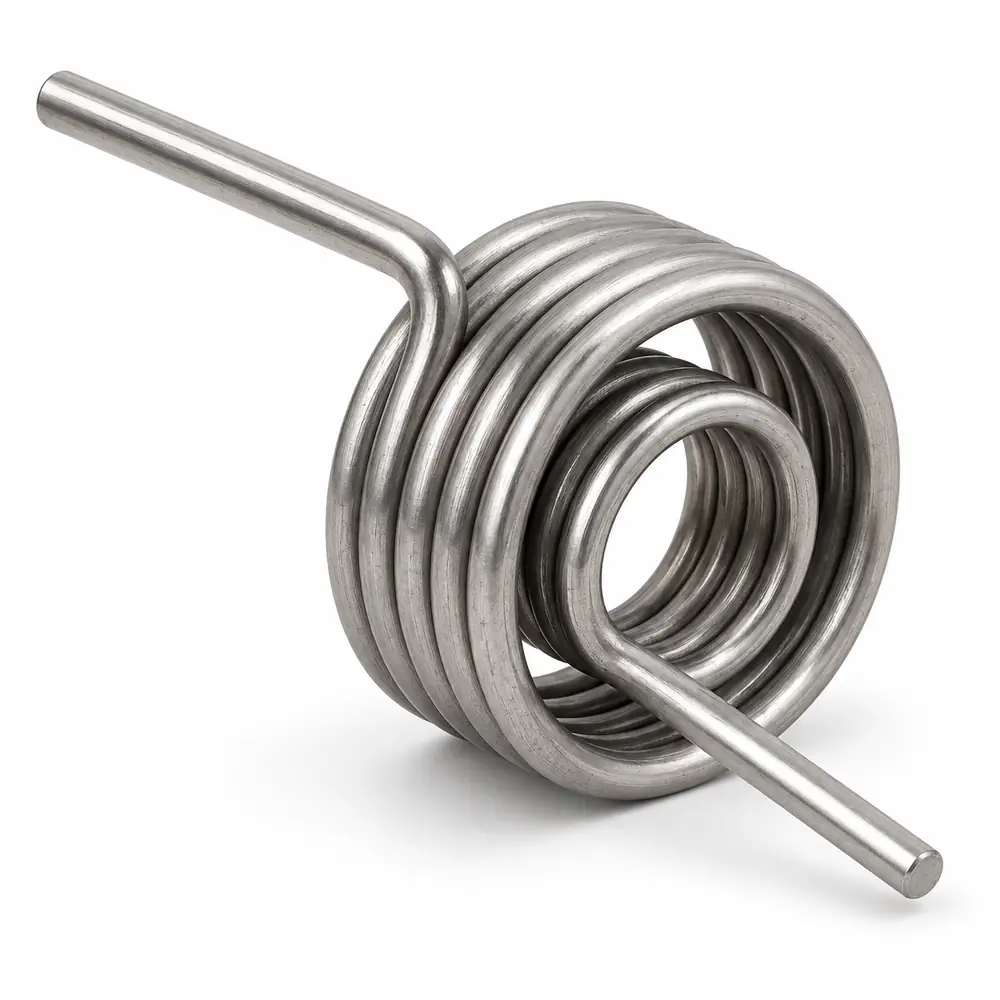
Torsion Springs
Concentric or internally arranged paired torsion enquiries, defined by the inner and outer coil layout and the actual rotational load path.
- Availability
- Made to order
- Quotation
- Drawing-based RFQ
View specifications →
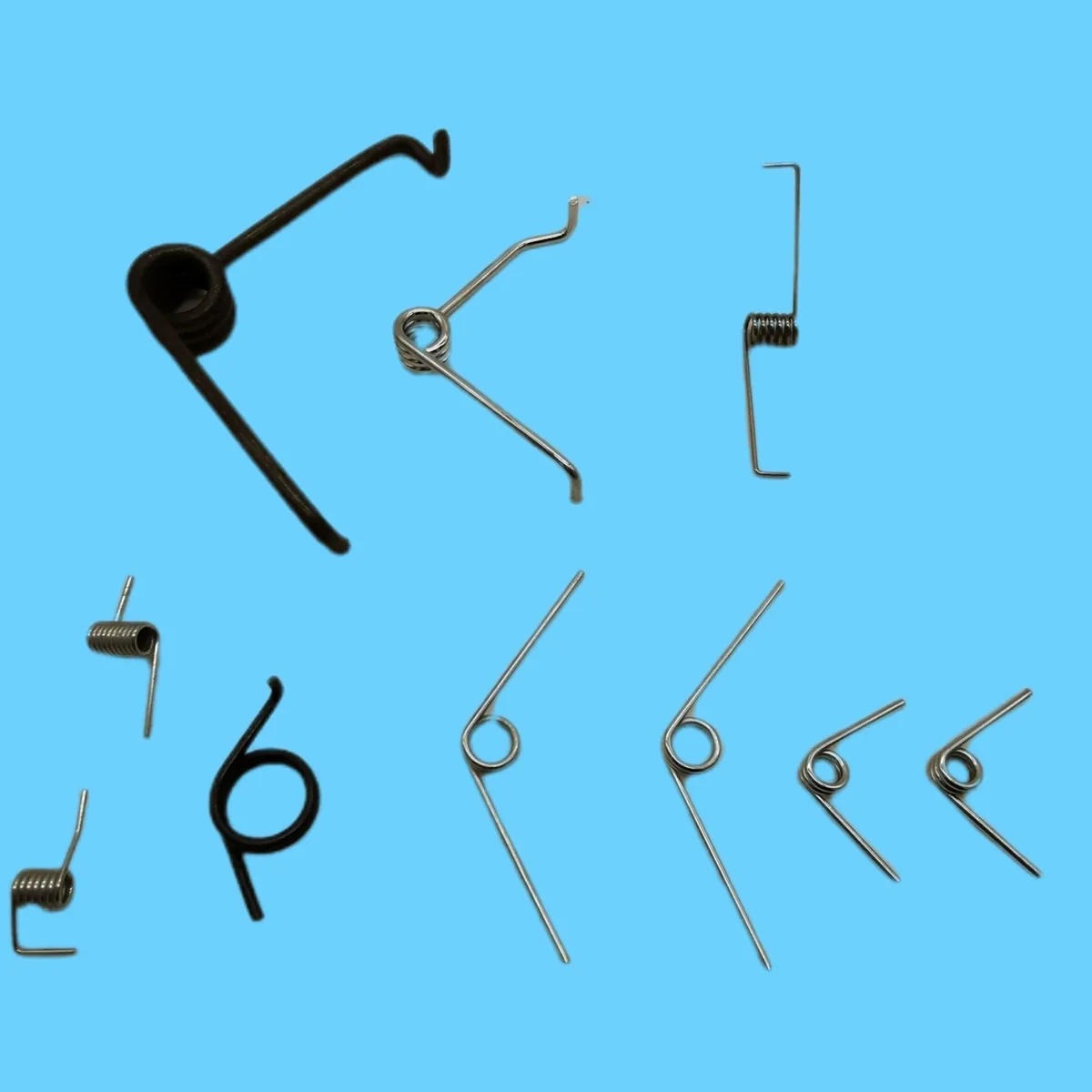
Torsion Springs
Small torsion springs defined by coil clearance, precise leg locations and torque at installed angular positions.
- Availability
- Made to order
- Quotation
- Drawing-based RFQ
View specifications →
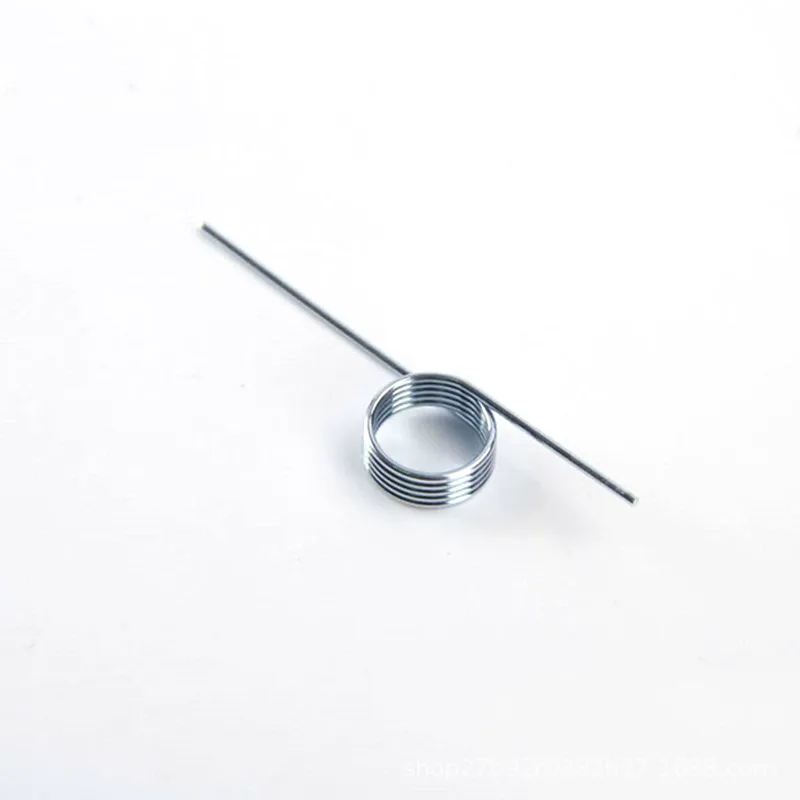
Torsion Springs
A compact torsion-spring arrangement with one main working arm and the opposite end retained close to the coil for one-sided rotary return.
- Variants
- 43
- Wire
- 0.3-6 mm
- OD
- 2.64-84.3 mm
View specifications →
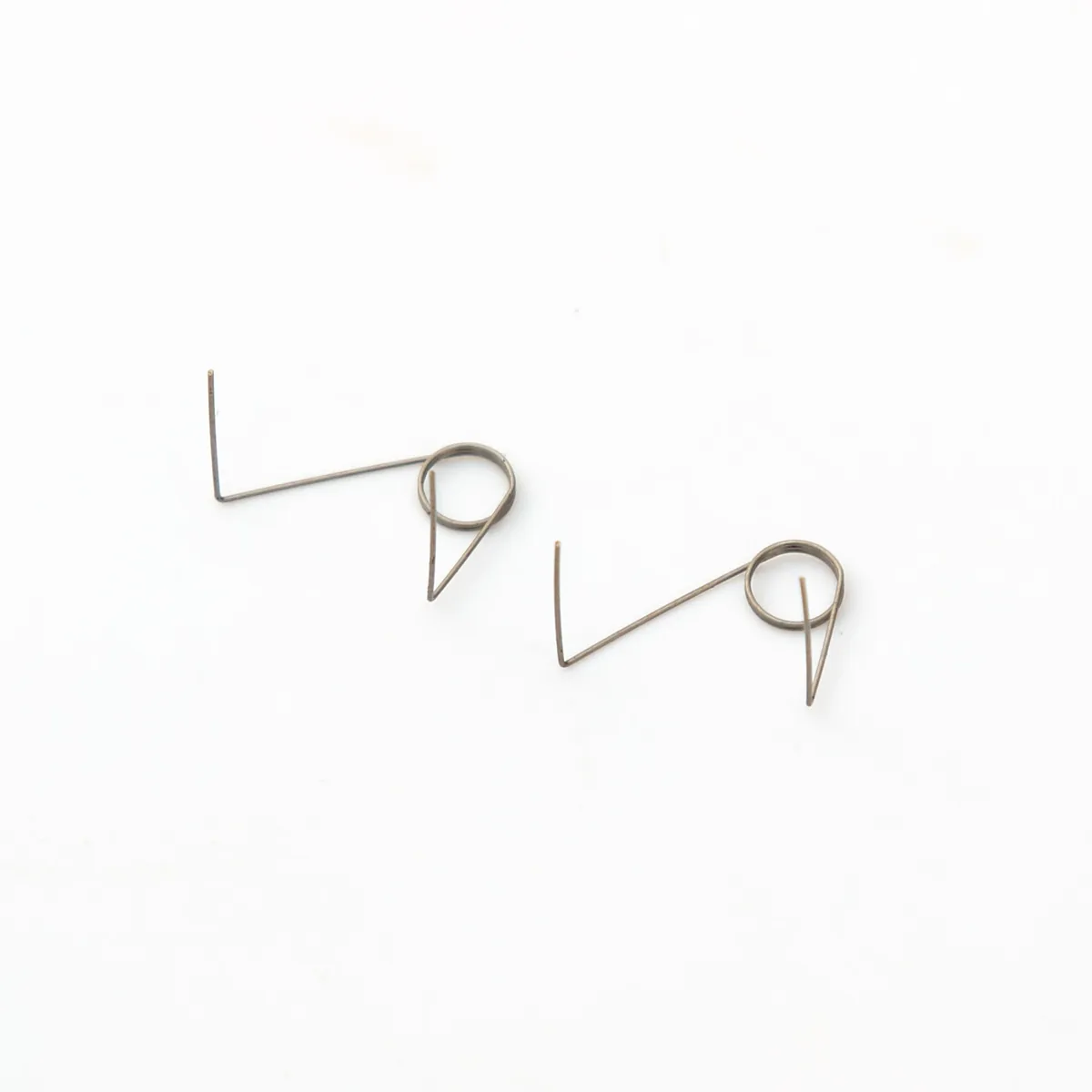
Torsion Springs
Custom Special-Shaped Torsion Springs manufactured to your drawing, dimensions, load or torque, material, working environment and production requirements.
- Engineering data
- 6 data points
- Typical / standard data
- 3 configurations
- Manufacturing
- Made to specification
View specifications →
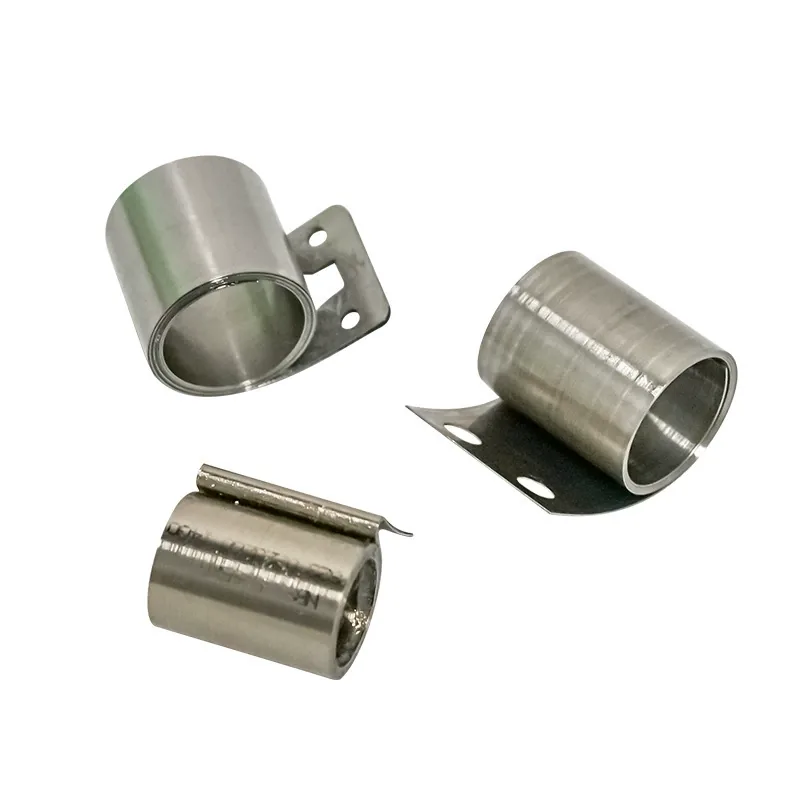
Torsion Springs
Custom Spiral Torsion / Clock Springs manufactured to your drawing, dimensions, load or torque, material, working environment and production requirements.
- Engineering data
- 6 data points
- Typical / standard data
- 3 configurations
- Manufacturing
- Made to specification
View specifications →
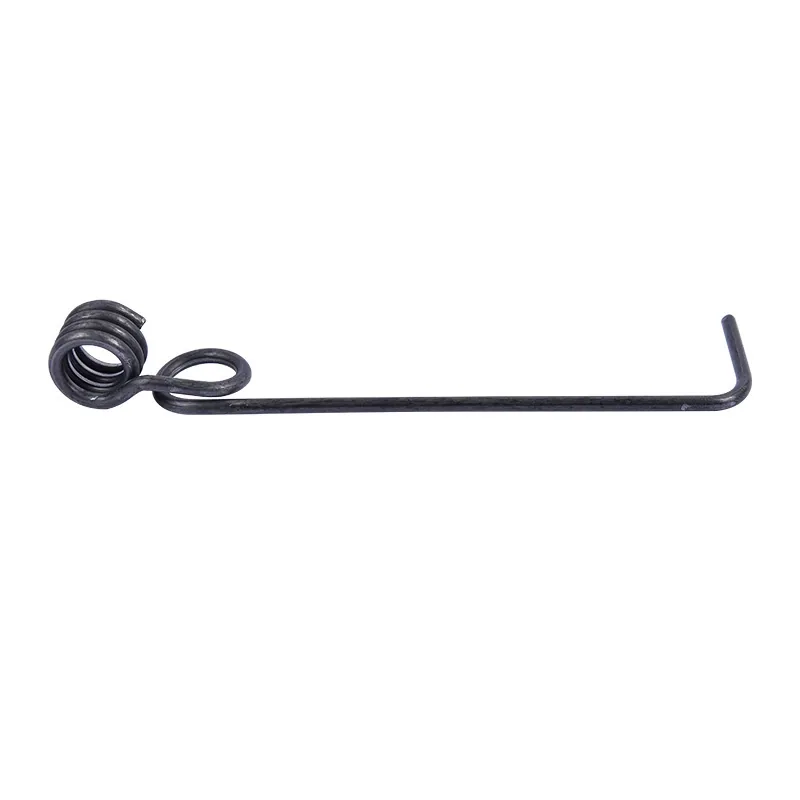
Torsion Springs
A torsion spring with simple straight arms for hinges, levers and pivots where both contact points can be defined directly from the coil axis.
- Variants
- 49
- Wire
- 0.3-6 mm
- OD
- 1.62-51.22 mm
View specifications →
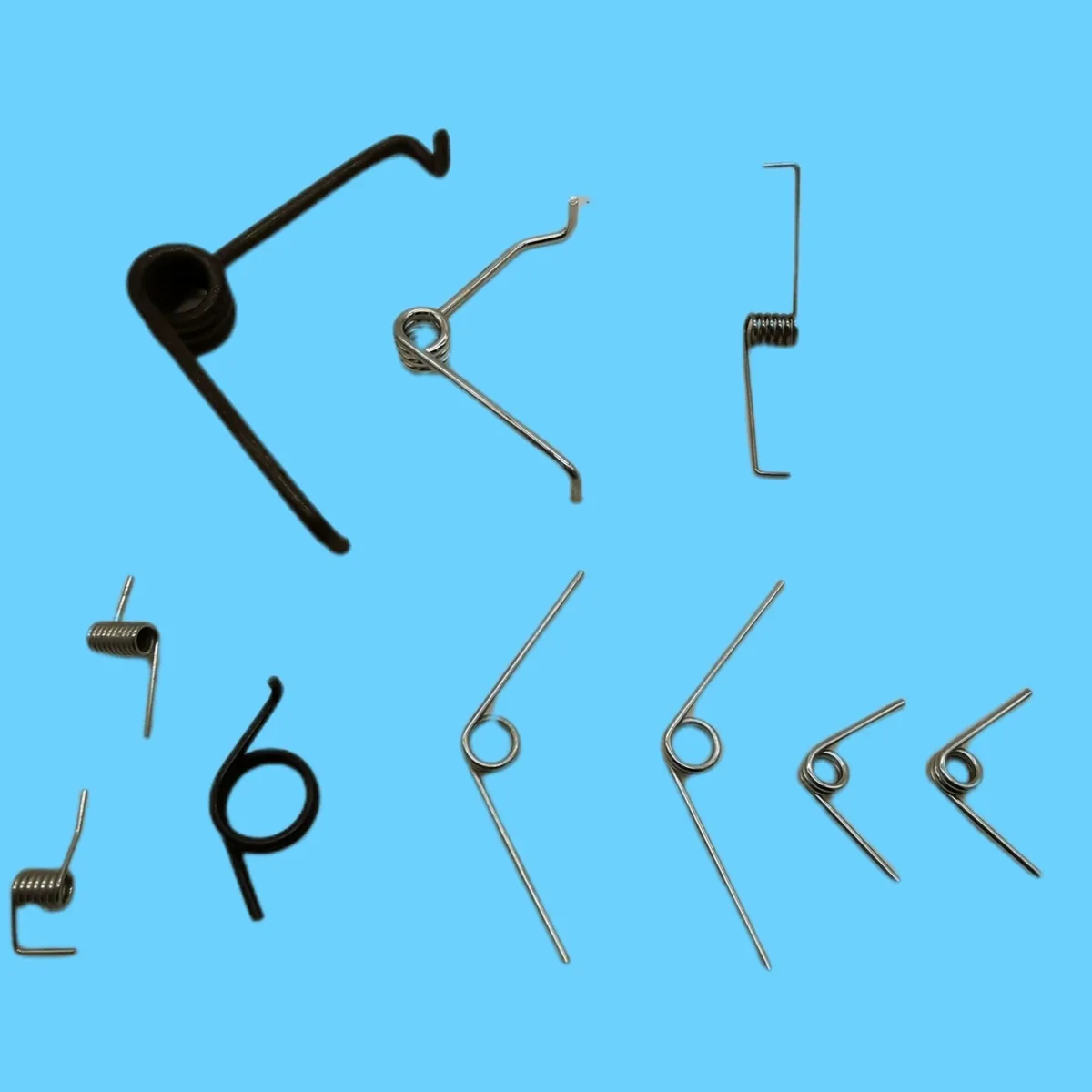
Torsion Springs
A straight or shaped bar that stores energy by twisting along its length, useful when rotary compliance is needed without a conventional helical coil.
- Variants
- 27
- Wire
- 0.3-4 mm
- OD
- 3.57-59.78 mm
View specifications →
Product Family Overview
Torsion Springs for Controlled Torque and Rotation
A torsion spring works by twisting the coil body as one leg rotates relative to the other. Unlike a compression spring, the functional dimensions include leg length, leg angle and the direction of rotation. Product selection therefore starts with the way the spring seats in the assembly and the required torque through the working angle.
Selection
Match the Body and Legs to the Mechanism
Torsion spring design changes substantially when the mounting, direction of rotation or number of working legs changes.
Single-body torsion springs
Straight-leg and single-leg forms suit many hinges, levers and return mechanisms when one compact coil body can provide the required torque.
Double torsion and hairpin forms
Two working coil sections or hairpin geometry can distribute force differently and fit assemblies where a conventional single body is not ideal.
Torsion bars
A torsion bar stores energy through shaft twist rather than a helical coil and is reviewed from length, section, material and angular deflection.
Custom Manufacturing Data
Small and Heavy-Duty Torsion Spring Projects
Engineering data provides practical starting points for coiled torsion products, while large or heavy-duty torsion projects are reviewed from the drawing and torque requirement. The installation diameter and leg clearance often set the usable design space.
- Product designs
- 12
- Engineering data rows
- 195
- Wire / thickness range
- 0.3 mm–6 mm
- Outside diameter range
- 1.62 mm–84.3 mm
- Free length range
- 0.96 mm–197.99 mm
Custom RFQ
What to Send for a Torsion Spring Quote
Torque and rotation are the key functional inputs; leg geometry then connects that torque to the assembly.
- Wire diameter or allowable envelope
- Inside or outside coil diameter and body length
- Number of turns if already defined
- Leg lengths, bends and free angle
- Torque at one or more working angles
- Direction of rotation and mounting method
- Material, cycle life, environment and quantity
Project Support
Continue With the Detail Your Project Needs
Use the product pages for specific spring geometry, then continue with application, material, manufacturing or engineering information as needed.
Applications
Compare best-fit uses
Review where spring styles work well, assembly constraints and alternative designs.
View spring applications →
Materials
Select the material family
Compare strength, corrosion, temperature, fatigue and conductivity before choosing a grade.
Compare spring materials →
Manufacturing
Plan prototype and production
See how forming, heat treatment, inspection, first articles and repeat production are reviewed.
View manufacturing capabilities →
Engineering Data
Review engineering data
Use material, wire-diameter and standard guides to support spring selection and drawing preparation.
Open Spring Engineering Guide →
