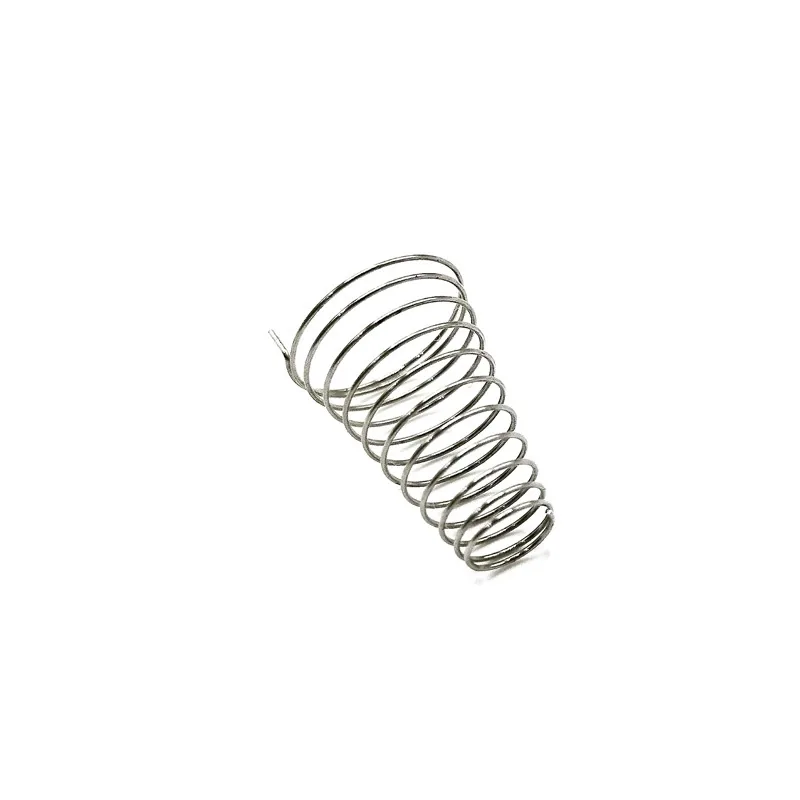
Compression Springs
A tapered compression spring for assemblies that need a changing diameter, improved stability, or a lower compressed package than a conventional straight coil can provide.
- Variants
- 108
- Wire
- 0.2-12 mm
- OD
- 2.49-179.35 mm
View specifications →
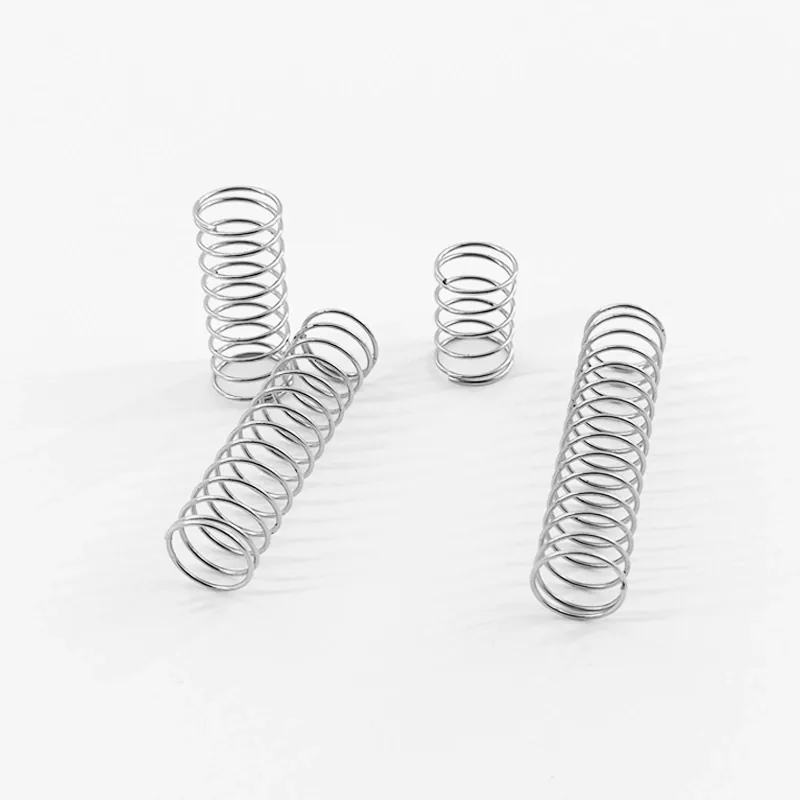
Compression Springs
Long compression coils for cut-to-length requirements, with the finished section, end condition and working load specified separately.
- Availability
- Made to order
- Quotation
- Drawing-based RFQ
View specifications →
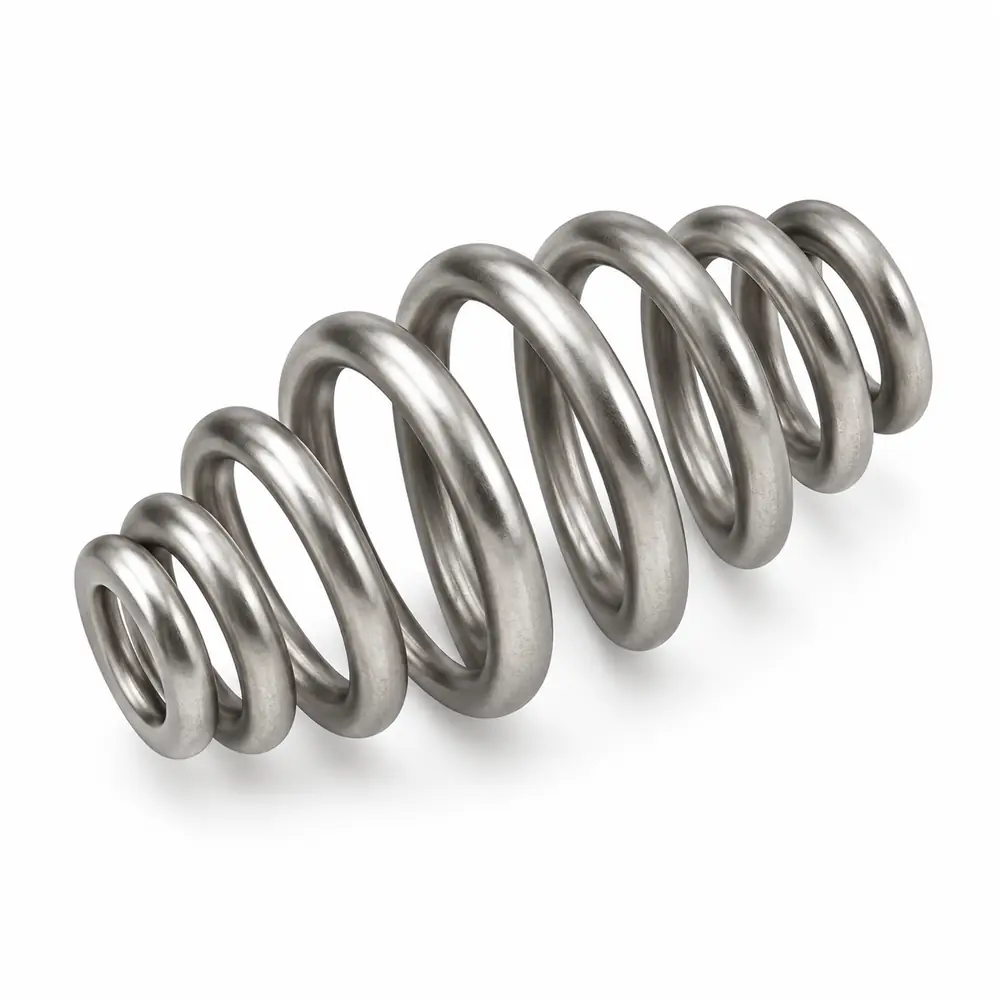
Compression Springs
Barrel-shaped compression springs with a wider middle and smaller end coils, reviewed against seat dimensions, housing clearance and working loads.
- Availability
- Made to order
- Quotation
- Drawing-based RFQ
View specifications →
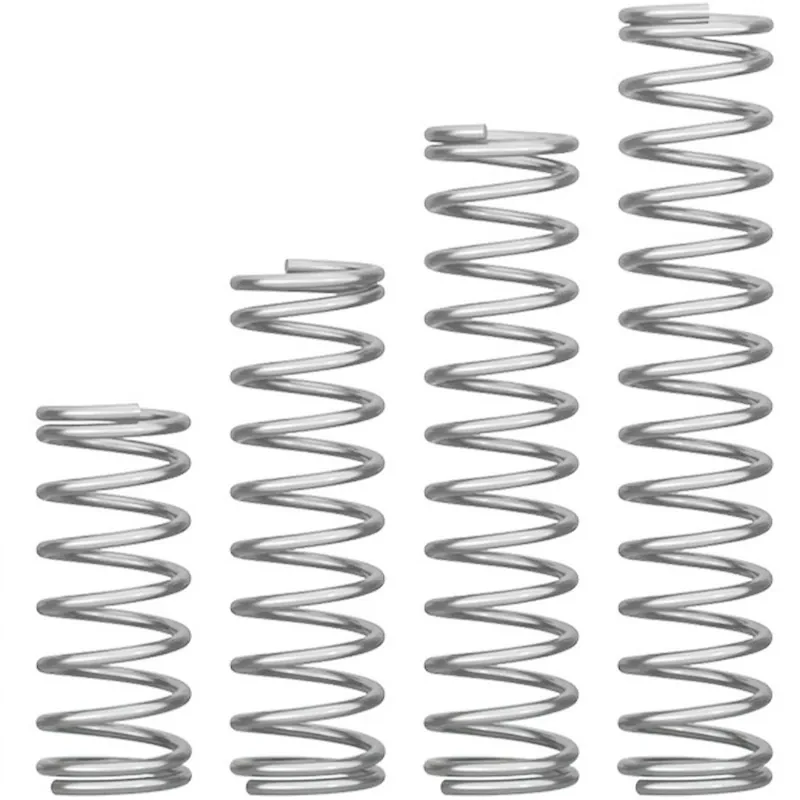
Compression Springs
A straight, constant-diameter coil for predictable axial force where the spring works inside a bore, around a guide, or between two flat seats.
- Variants
- 88
- Wire
- 0.2-12 mm
- OD
- 2.55-180.2 mm
View specifications →
Compression Springs
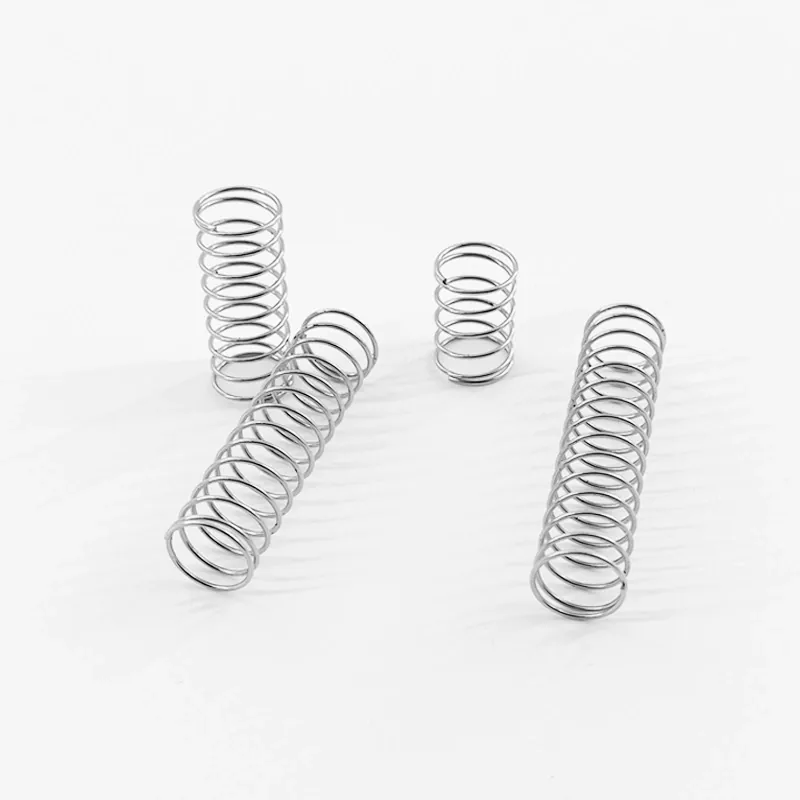
Compression springs for guided feeding mechanisms, specified by the channel envelope and force needed through the follower travel.
- Availability
- Made to order
- Quotation
- Drawing-based RFQ
View specifications →
Compression Springs
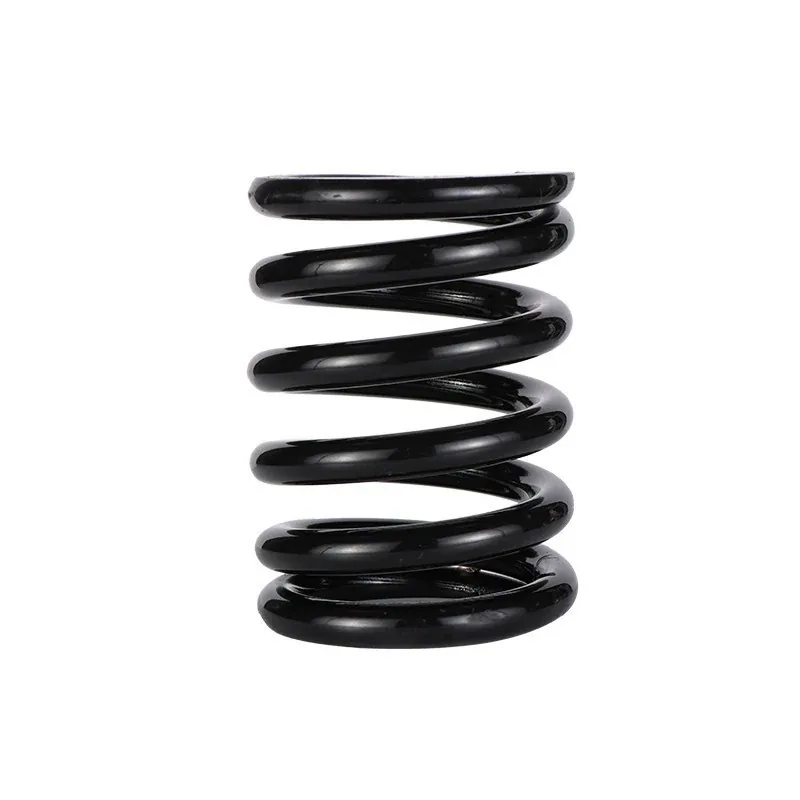
Heavy-duty compression spring enquiries defined by bar size, installation envelope, working loads and the required manufacturing condition.
- Availability
- Made to order
- Quotation
- Drawing-based RFQ
View specifications →
Compression Springs
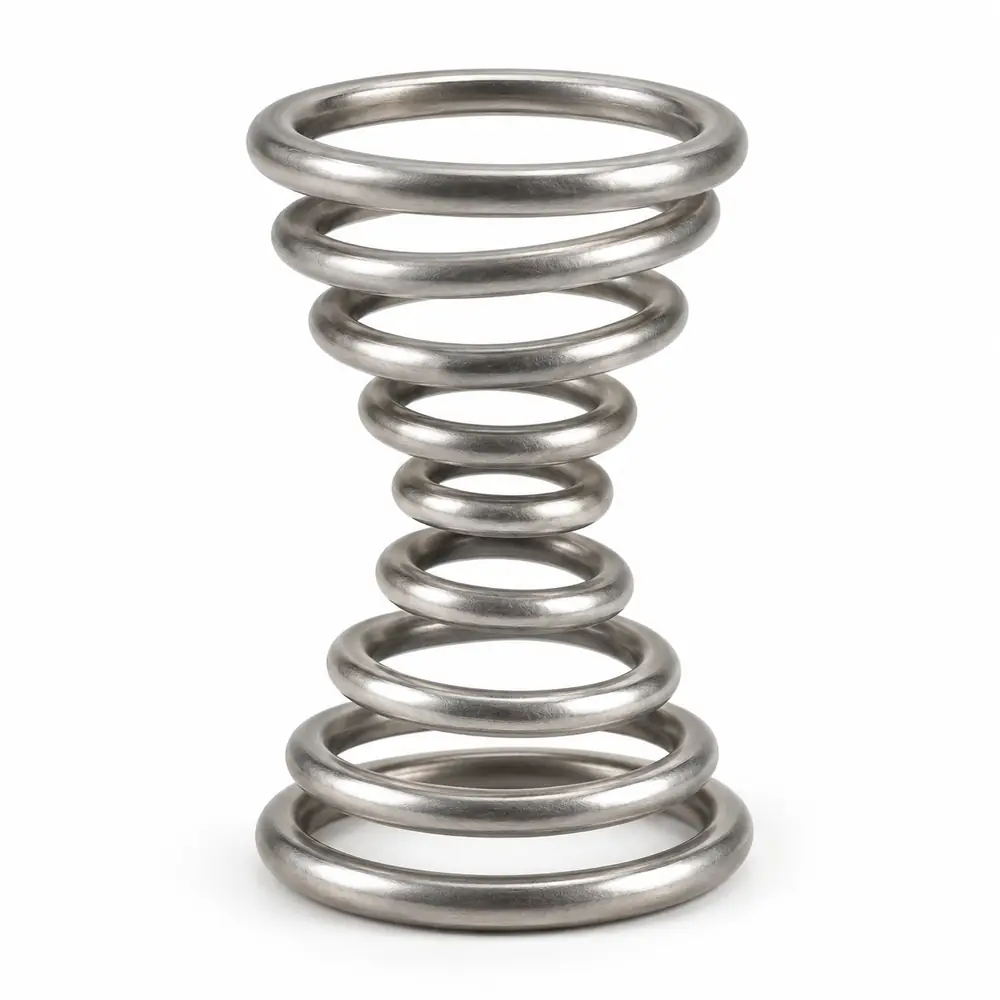
Compression springs with a narrower waist and wider end coils, specified by the full diameter profile, working heights and required axial loads.
- Availability
- Made to order
- Quotation
- Drawing-based RFQ
View specifications →
Compression Springs
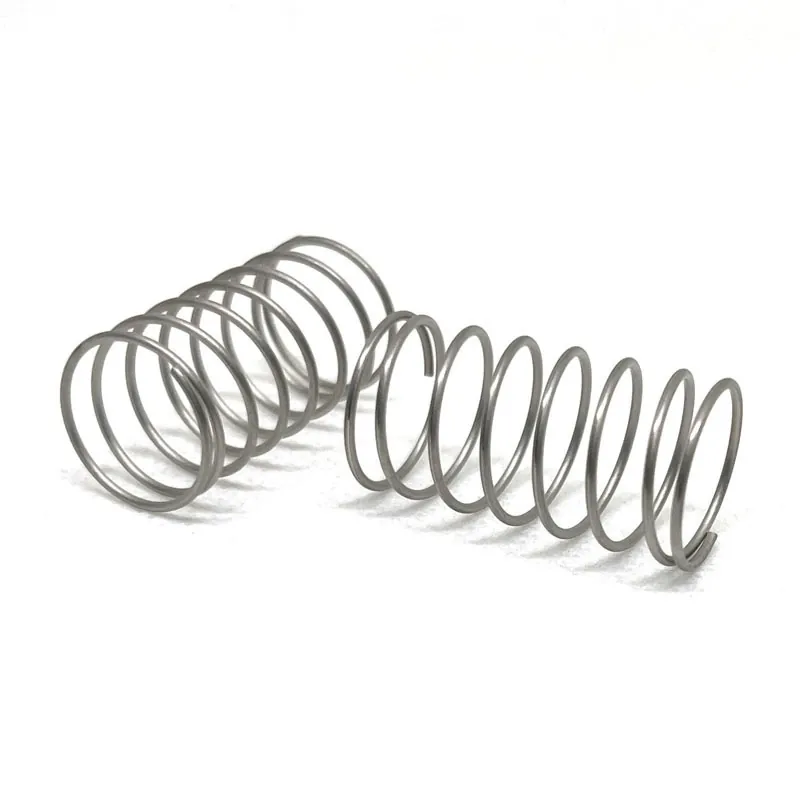
Small compression springs for restricted installation spaces, specified by actual dimensions and loads at working heights.
- Availability
- Made to order
- Quotation
- Drawing-based RFQ
View specifications →
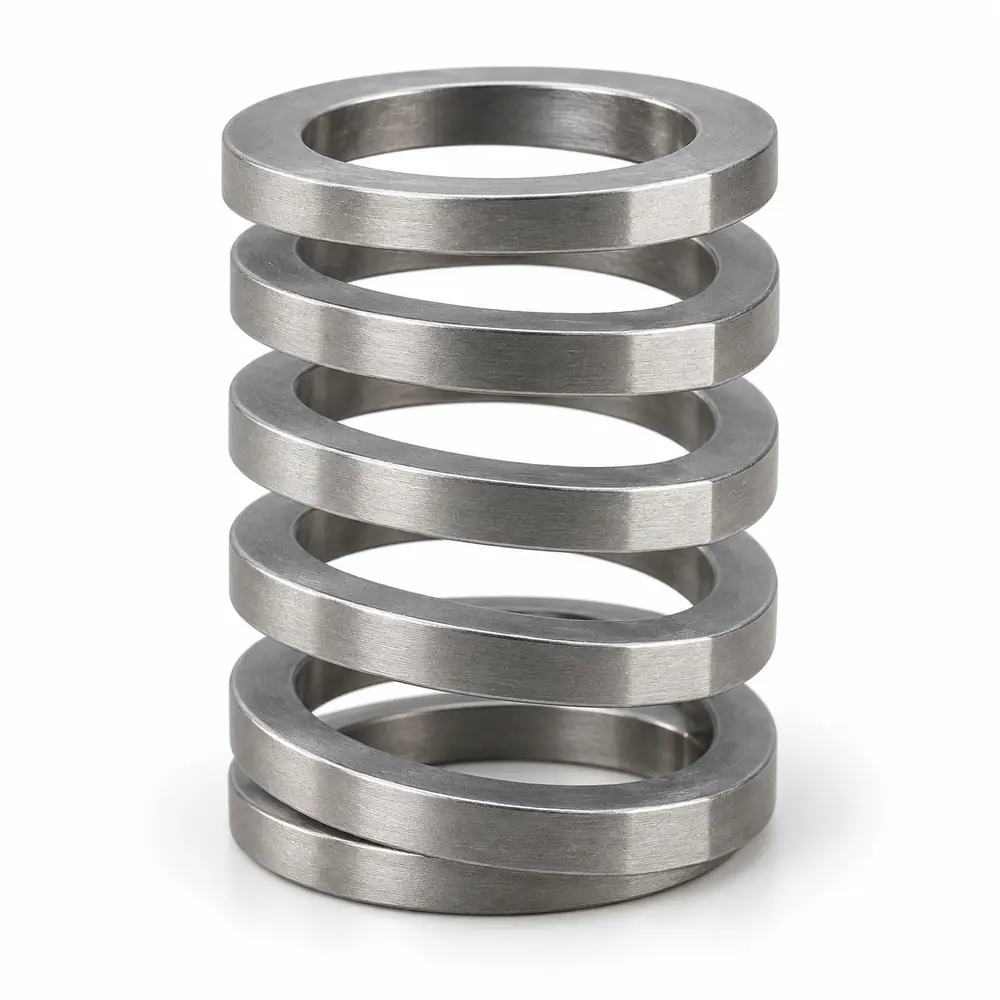
Compression Springs
Compression springs made from rectangular-section wire, specified by section width, thickness, winding orientation and working load.
- Availability
- Made to order
- Quotation
- Drawing-based RFQ
View specifications →
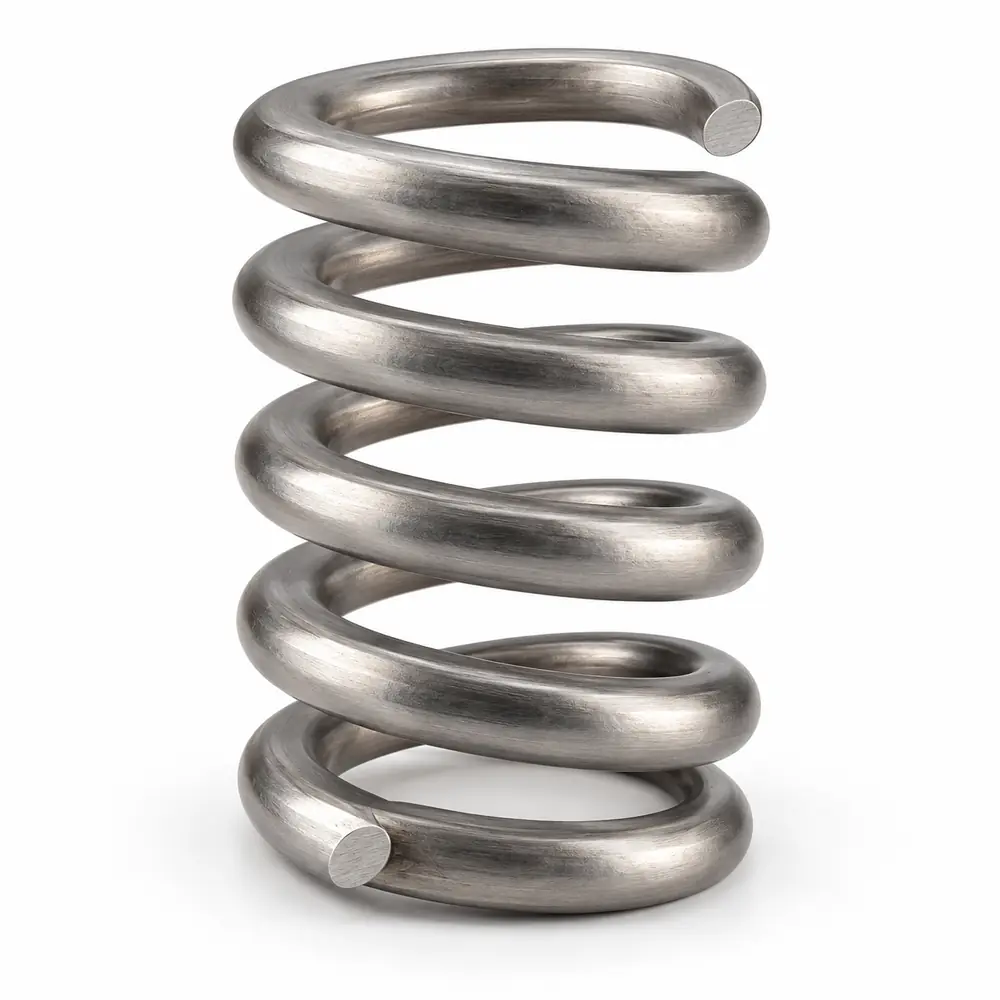
Compression Springs
Compression springs with non-standard material sections, developed from a section drawing and the required force-height specification.
- Availability
- Made to order
- Quotation
- Drawing-based RFQ
View specifications →
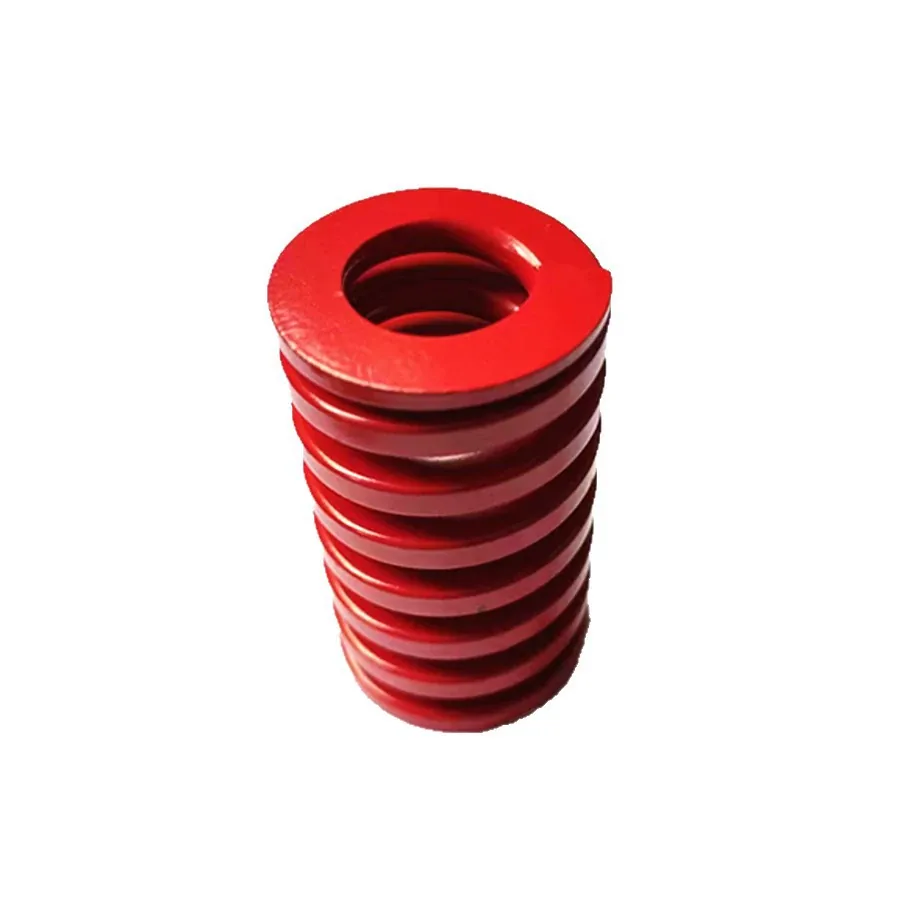
Compression Springs
Square-section compression springs defined by material side dimension, coil geometry, end form and forces at installed heights.
- Availability
- Made to order
- Quotation
- Drawing-based RFQ
View specifications →
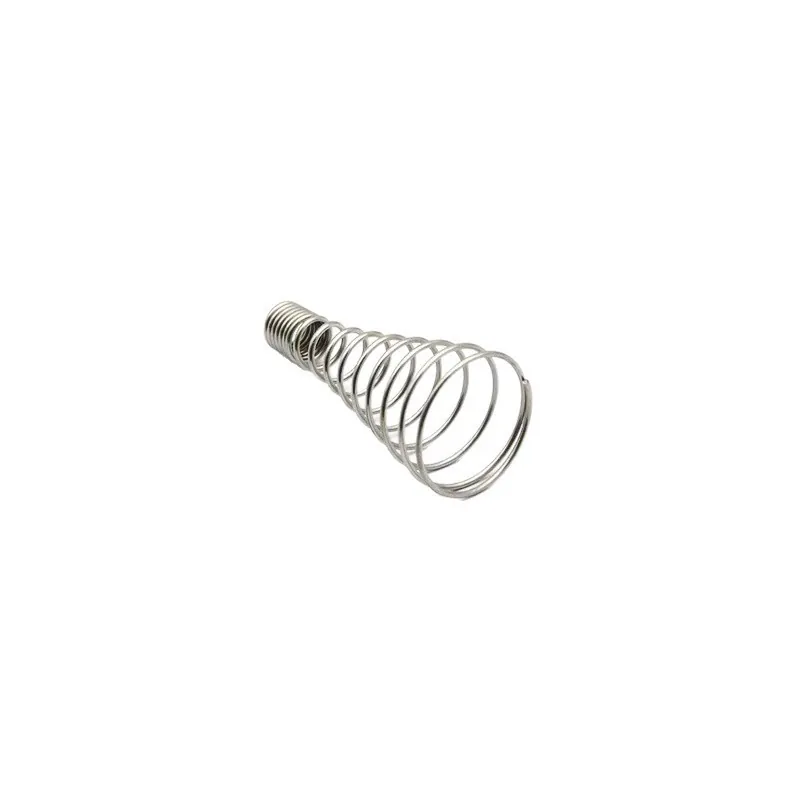
Compression Springs
A stepped or strongly tapered compression spring built for compact collapse, nested coils, and assemblies where the available diameter changes along the spring height.
- Variants
- 119
- Wire
- 0.2-12 mm
- OD
- 1.5-178.43 mm
View specifications →
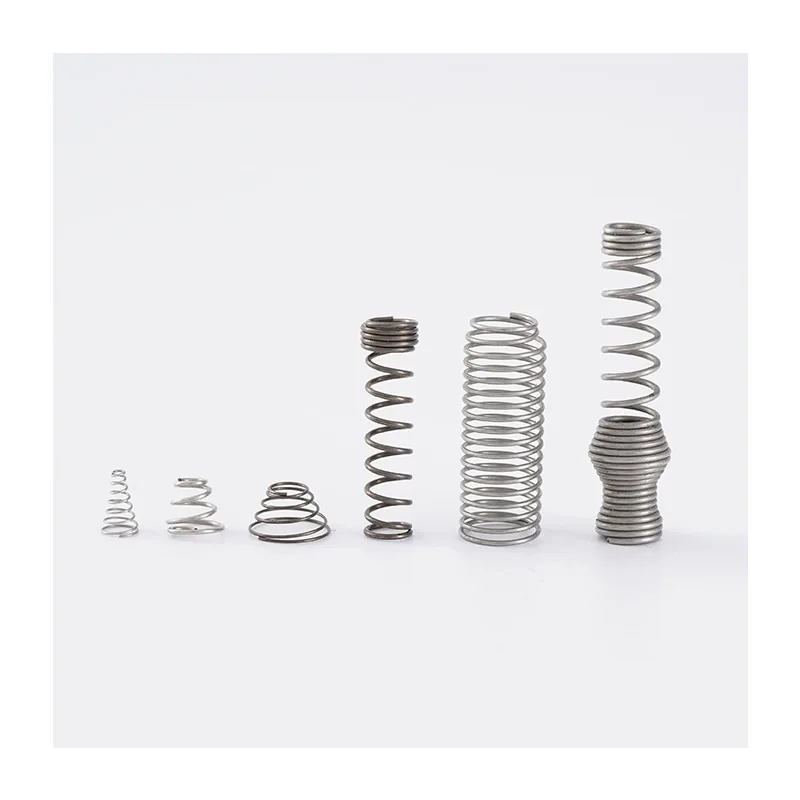
Compression Springs
A compression spring with a deliberately changing coil diameter used to fit non-uniform spaces, tune stability, or shape how the spring responds through its travel.
- Variants
- 105
- Wire
- 0.2-12 mm
- OD
- 2.33-138.71 mm
View specifications →
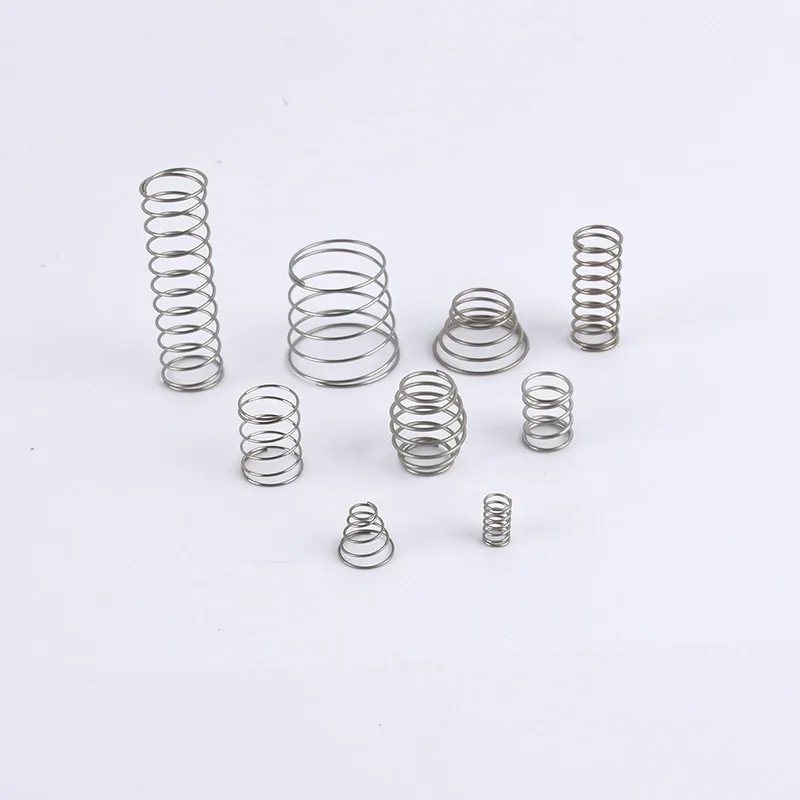
Compression Springs
Variable-pitch compression springs specified by a required load curve, with coil spacing and working travel reviewed together.
- Availability
- Made to order
- Quotation
- Drawing-based RFQ
View specifications →
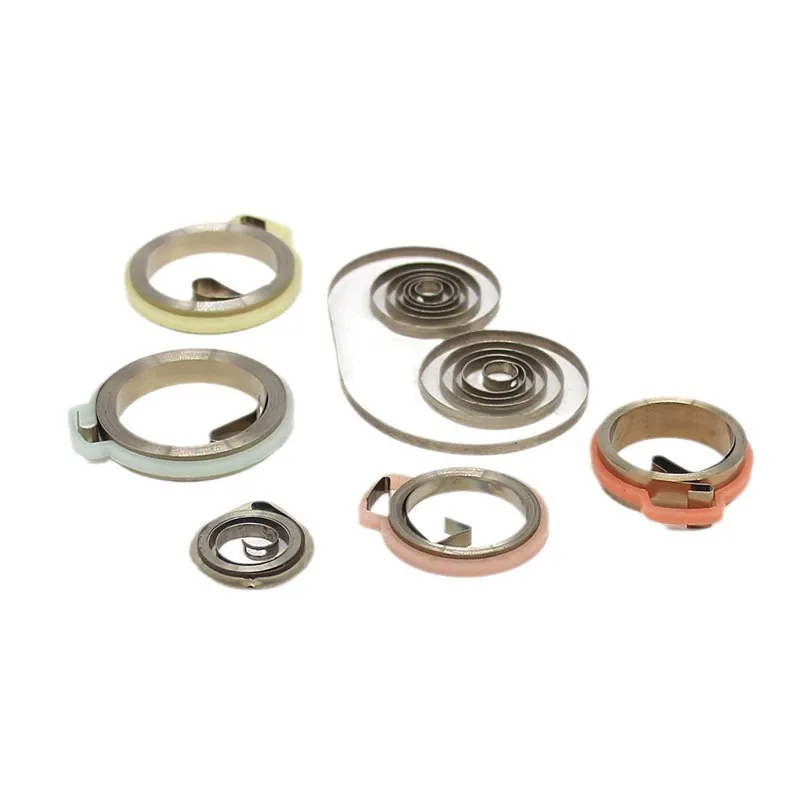
Compression Springs
Custom Volute Springs manufactured to your drawing, dimensions, load or torque, material, working environment and production requirements.
- Engineering data
- 5 data points
- Typical / standard data
- 1 configurations
- Manufacturing
- Made to specification
View specifications →
Product Family Overview
Custom Compression Spring Manufacturing
Compression springs are open-coil springs that shorten under axial load. A useful custom design starts with the required force at one or more working heights, then checks the available outside or inside diameter, free length, solid height, guidance and cycle life. The product cards above separate the main geometries so the shape can be selected before detailed load and material review.
Selection
Choose the Compression Spring Geometry Around the Assembly
The correct geometry depends on how much space is available and how the spring must behave through its working travel.
Straight cylindrical space
Use a cylindrical compression spring when the envelope is uniform and the spring can be guided or proportioned to control buckling.
Low compressed height
Conical or tower-shaped designs can allow coils to nest when solid height is the main packaging constraint.
Changing envelope or force behavior
Variable-diameter designs can help when the assembly has stepped space, stability constraints or a deliberately non-uniform geometry.
Custom Manufacturing Data
Compression Springs by Size and Load Class
Our catalog includes reference configurations from small and micro compression springs through larger and heavy-duty compression spring starting points. The live range below is calculated from catalog-backed rows; it is a screening range, not a fixed stock list.
- Product designs
- 15
- Engineering data rows
- 425
- Wire / thickness range
- 0.2 mm–12 mm
- Outside diameter range
- 1.5 mm–180.2 mm
- Free length range
- 1.95 mm–518.4 mm
Custom RFQ
What to Send for a Compression Spring Quote
A compression spring supplier can quote much more accurately when the working points are defined instead of only the free dimensions.
- Wire diameter or allowable range
- Outside diameter, inside diameter or bore/shaft constraint
- Free length and maximum compressed height
- Load at one or more working heights, or target spring rate
- End style, guide condition and orientation
- Material, environment, cycle life and quantity
Project Support
Continue With the Detail Your Project Needs
Use the product pages for specific spring geometry, then continue with application, material, manufacturing or engineering information as needed.
Applications
Compare best-fit uses
Review where spring styles work well, assembly constraints and alternative designs.
View spring applications →
Materials
Select the material family
Compare strength, corrosion, temperature, fatigue and conductivity before choosing a grade.
Compare spring materials →
Manufacturing
Plan prototype and production
See how forming, heat treatment, inspection, first articles and repeat production are reviewed.
View manufacturing capabilities →
Engineering Data
Review engineering data
Use material, wire-diameter and standard guides to support spring selection and drawing preparation.
Open Spring Engineering Guide →
Material and Design Guides for Compression Springs
Continue with the material selection and design information related to this spring family.
