
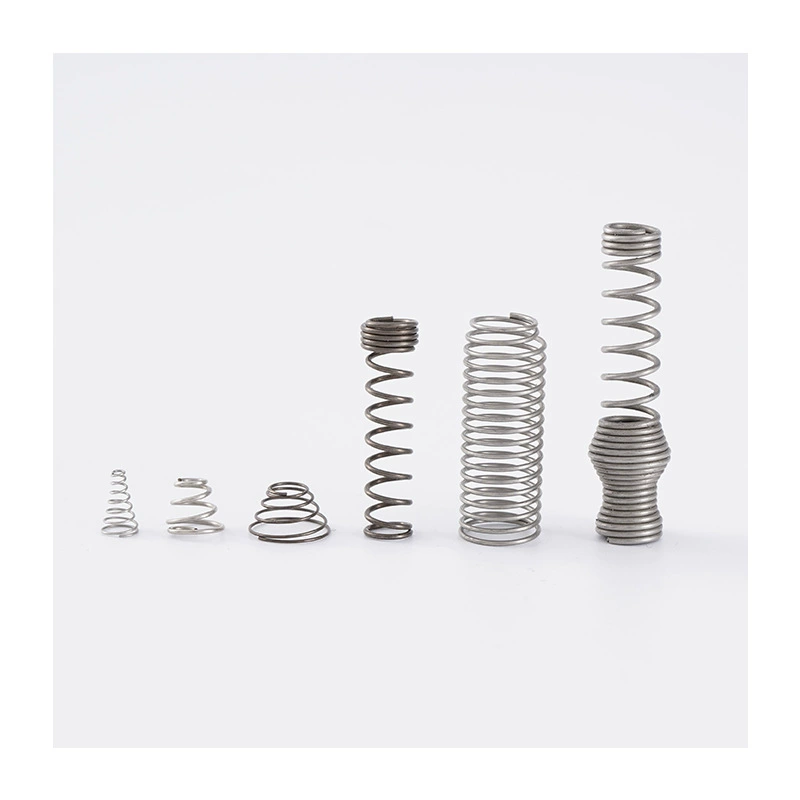
For product selection, compare Garter & Canted Coil Springs, Flat Springs & Stampings, Wire Forms.
Key Takeaways
- Spring manufacturing involves material selection, forming, heat treatment, finishing, and inspection—each step affects performance.
- Material grade and preparation directly influence strength, corrosion resistance, and operating temperature range.
- Coiling and forming methods determine dimensional accuracy and residual stress, impacting spring rate and set.
- Heat treatment and finishing processes like shot peening and grinding are critical for fatigue life and load stability.
- Providing a complete RFQ with material, dimensions, loads, and testing requirements ensures accurate quoting and faster turnaround.
When you specify a custom spring, do you know what happens between the raw material order and the finished part landing on your dock? Understanding the spring manufacturing process helps you ask better questions, avoid costly revisions, and set realistic expectations for tolerances, lead time, and performance. This guide walks through the complete journey of a custom spring—from material selection through inspection—so you can make informed decisions for your next project.
Answer First: How Springs Are Made
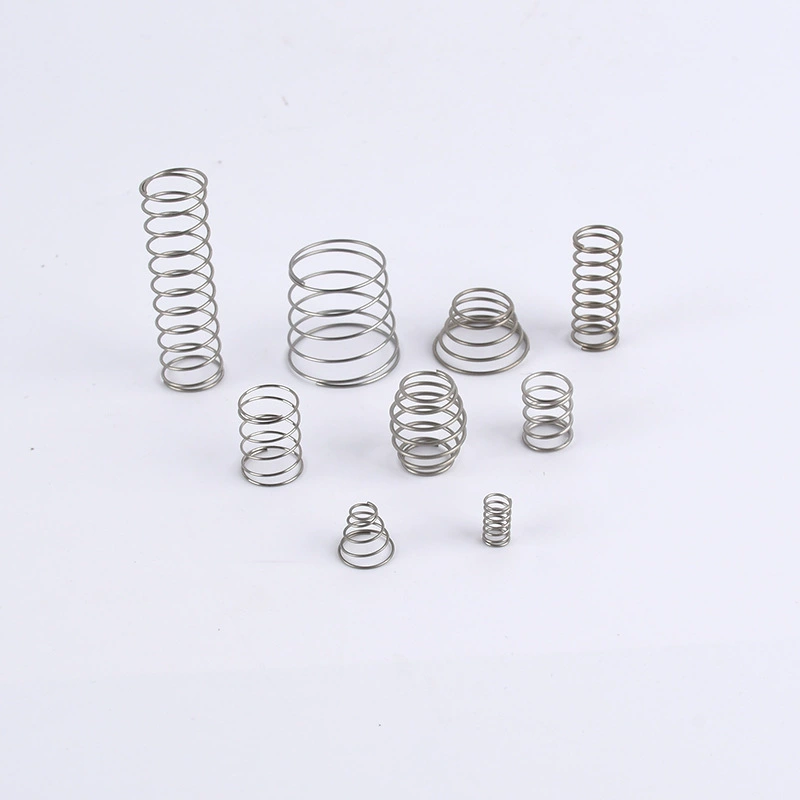
Custom springs are manufactured by forming metal wire or strip into a precise shape that stores and releases mechanical energy. The core process involves feeding material through a coiling or forming machine, then applying heat treatment and finishing operations to achieve the required spring rate, load, and fatigue life. Whether it’s a compression spring, torsion spring, extension spring, or a flat spring stamping, the sequence of operations follows the same logic: prepare material, form it, relieve stress, finish surfaces, and verify dimensions and performance.
Material Selection and Wire/Strip Preparation
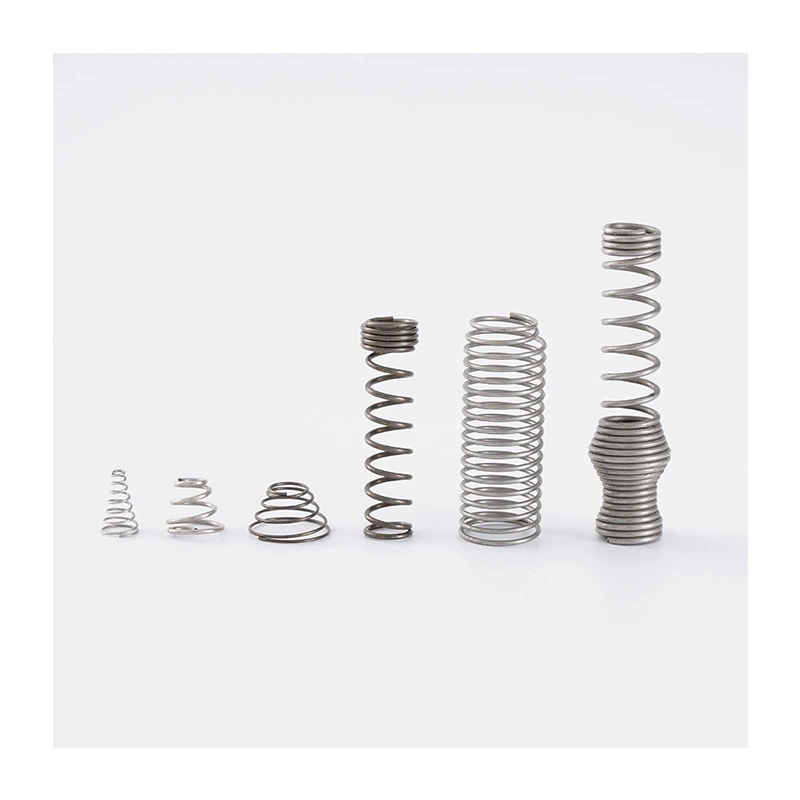
Every spring starts with the right material. Common choices include music wire, oil-tempered chrome silicon, stainless steel grades, and beryllium copper for electrical applications. The material grade directly affects tensile strength, corrosion resistance, operating temperature range, and cost. For flat springs and stampings, strip stock is used, while round wire is typical for coiled springs. Before forming, the wire or strip is cleaned and sometimes coated with a lubricant to aid the forming process. Material certification and traceability are critical for aerospace, medical, and automotive applications, so always specify the required material standard and any certifications you need.
Forming or Coiling Process
The heart of spring manufacturing is the forming operation. Compression springs are typically coiled on automatic CNC coiling machines that feed wire, bend it around a mandrel, and control pitch and diameter with precision. Torsion springs are formed similarly but with legs that are bent to specific angles. Extension springs are coiled with initial tension and then hooks or loops are formed on the ends. Flat springs and stampings are produced by stamping or bending strip material in progressive dies. Wave springs and retaining rings use specialized forming techniques to create their unique geometries. Each method has its own tolerances and design considerations, which is why reviewing your spring design with a manufacturer early is valuable.
Stress Relief, Heat Treatment, and Finishing
After forming, springs are heat-treated to relieve internal stresses and set the material’s properties. Stress relief is performed at a moderate temperature to reduce residual stress from coiling, while some materials require full hardening and tempering. Grinding is common for compression springs to create flat, square ends that ensure stable seating. Shot peening may be applied to improve fatigue life by introducing compressive residual stresses on the surface. Finally, finishing operations such as cleaning, passivation, plating, or coating protect against corrosion and wear. Each of these steps affects the spring’s performance and durability, so they should be specified based on your application’s demands.
Inspection and Testing Checkpoints
Quality control is woven throughout the process. Incoming material is verified against specifications, and in-process checks monitor dimensions during forming. After heat treatment, springs are tested for hardness and load at specified deflections. Final inspection includes measuring free length, outside diameter, coil count, and checking for surface defects. Fatigue testing may be performed on samples for high-cycle applications. Dimensional tolerances and load tolerances are typically defined by industry standards or customer drawings. Always agree on inspection criteria and reporting requirements with your supplier before production.
How Process Choices Affect Custom Spring Performance
The manufacturing process directly influences spring performance. For example, the coiling method affects residual stress and set, which can change the spring’s free length and load over time. Heat treatment parameters determine the balance between strength and ductility. Grinding quality affects squareness and load distribution. Shot peening can dramatically extend fatigue life but adds cost. Surface treatments impact corrosion resistance and friction. When you specify a custom spring, understanding these trade-offs helps you choose the right process for your application without over-specifying.
RFQ Checklist: What to Send for Accurate Quoting
To get an accurate quote and avoid delays, provide a complete spring drawing or specification that includes: material grade, wire or strip dimensions, coil dimensions (OD, ID, free length), number of active coils, total coils, spring rate, load at specified heights, maximum deflection, end conditions (closed and ground, plain, etc.), hook or leg details for extension and torsion springs, surface finish, and any required certifications or testing. If you don’t have a full drawing, send your application details and let the manufacturer help with design. The more information you provide, the faster and more accurate the response.
| Stage | Key Activities | Impact on Performance |
|---|---|---|
| Material Selection | Choosing wire/strip grade and preparation | Strength, corrosion resistance, temperature range |
| Forming/Coiling | CNC coiling, stamping, bending | Dimensional accuracy, residual stress |
| Heat Treatment | Stress relief, hardening, tempering | Elastic properties, fatigue life |
| Finishing | Grinding, shot peening, coating | Squareness, surface durability, corrosion protection |
| Inspection | Dimensional, load, hardness, fatigue testing | Compliance with specifications, reliability |
Understanding the spring manufacturing process empowers you to collaborate effectively with your supplier. Whether you need a custom compression spring, a precision torsion spring, or a flat spring assembly, knowing what happens in production helps you specify correctly and get the right part the first time.
If you are ready to move forward with a custom spring project, send us your drawings or specifications for a thorough engineering review. Our team can help you refine your design for manufacturability and performance.
Frequently Asked Questions
What are the main steps in the custom spring manufacturing process?
The main steps are material selection and preparation, forming or coiling, heat treatment (stress relief or hardening), finishing (grinding, shot peening, coating), and inspection/testing. Each step is tailored to the spring type and application requirements.
How does material choice affect spring manufacturing and performance?
Material choice determines tensile strength, corrosion resistance, operating temperature, and cost. For example, music wire offers high strength at low cost, while stainless steel provides corrosion resistance. The material also influences forming behavior and heat treatment requirements.
Why is stress relief important after coiling a spring?
Stress relief reduces residual stresses introduced during coiling, which can cause distortion or premature failure. It stabilizes the spring's dimensions and load characteristics, ensuring consistent performance over time.
What finishing processes are commonly applied to custom springs?
Common finishing processes include grinding ends for compression springs, shot peening to improve fatigue life, and plating or coating for corrosion resistance. The choice depends on the application environment and performance requirements.
What information should I include in a spring RFQ to get an accurate quote?
Include material grade, wire or strip size, coil dimensions, free length, number of coils, spring rate, load at specific heights, end conditions, hook/leg details, surface finish, and any required certifications. If you lack a full drawing, provide application details for engineering assistance.
Spring Products for This Guide
Open a product to review its geometry and the information needed for a custom quote.
- Axial Canted Coil SpringsGarter & Canted Coil Springs — geometry and quotation requirements
- Battery Coil Contact SpringsFlat Springs & Stampings — geometry and quotation requirements
- Coiled Spring Pins – Heavy DutyWire Forms — geometry and quotation requirements
- Conical Compression SpringsCompression Springs — geometry and quotation requirements
- Continuous-Length Extension SpringsExtension Springs — geometry and quotation requirements
- Crescent / Curved Spring WashersSpring Washers — geometry and quotation requirements